·
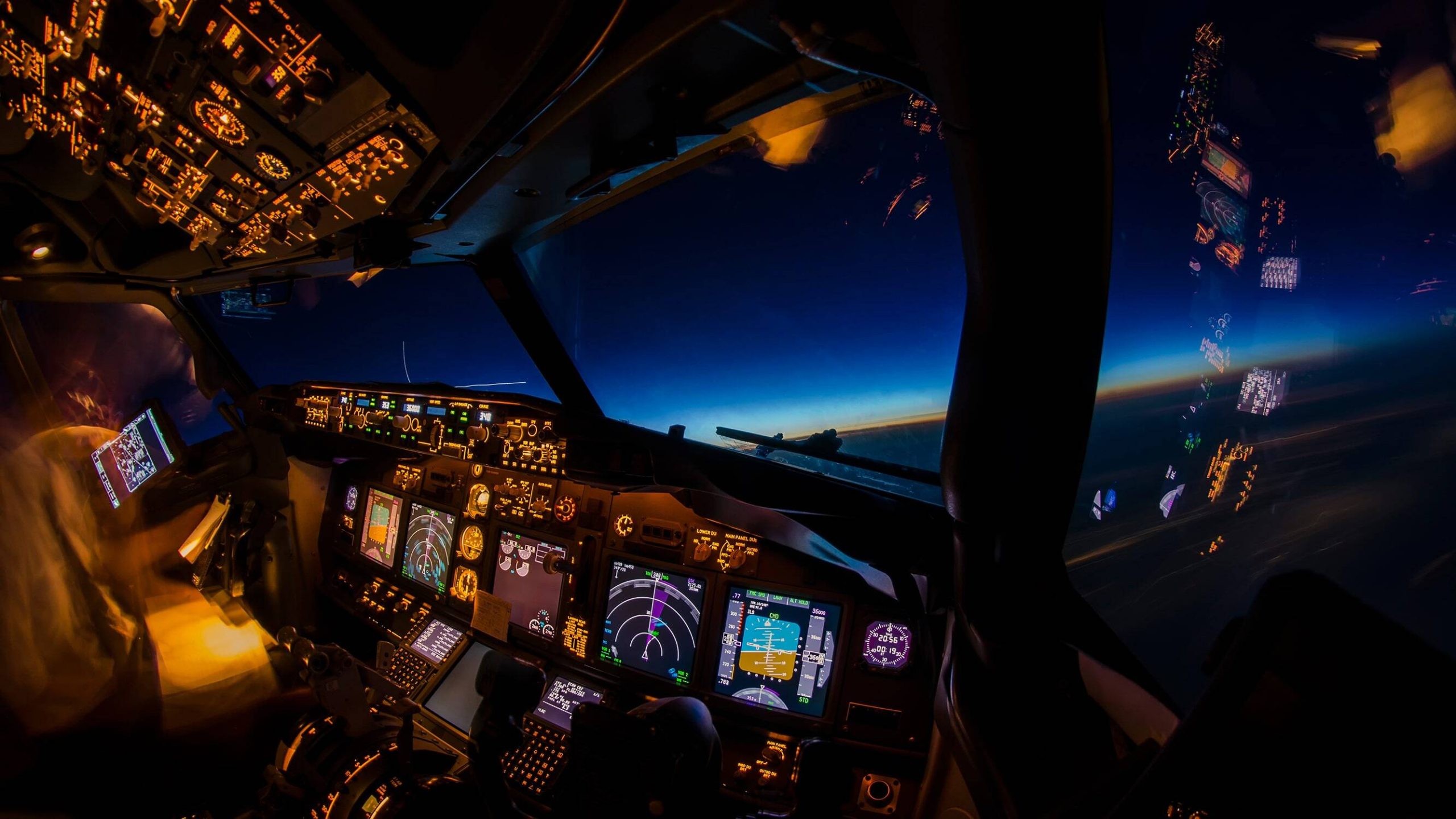
Avionics display systems are the screens and supporting electronics that present flight, navigation, engine and mission data to pilots. Modern systems use sunlight-readable TFT LCDs, touch panels and night-vision-compatible lighting, and they are typically qualified to environmental standards such as RTCA DO-160. Next-generation cockpit displays are getting brighter, more integrated and more power-efficient.
Technology is advancing rapidly in avionics displays, making them more precise, efficient, and reliable. As aircraft systems become more sophisticated, the need for clear, real-time data visualization in the cockpit grows. Avionics display manufacturers are focusing on innovations that enhance safety and streamline pilot operations.
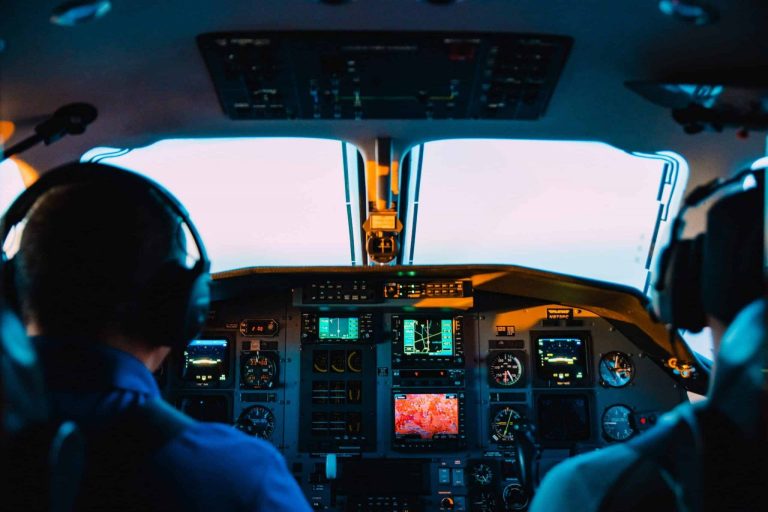
From traditional analog instruments to aircraft LCD displays, modern aerospace displays are improving pilot awareness. The introduction of avionics touchscreens and data-driven interfaces allows for better flight control, reducing workload while increasing efficiency. The continuous evolution of aerospace displays ensures that flight crews have access to high-quality visual data for safer and more effective decision-making.
Next-Generation Cockpit Displays: What’s Changing in Aircraft LCDs?
Advancements in aircraft LCD displays are transforming cockpit functionality. These displays now offer:
- Improved resolution and brightness for better visibility in various conditions.
- Anti-glare technology and enhanced readability for clear data representation.
- Durable designs to withstand aerospace environments.
- Seamless integration with automation for improved situational awareness.
Modern aerospace displays support multi-functionality, allowing pilots to access real-time navigation, weather updates, and system monitoring in a structured format. These enhancements help improve operational efficiency while maintaining a high level of safety.
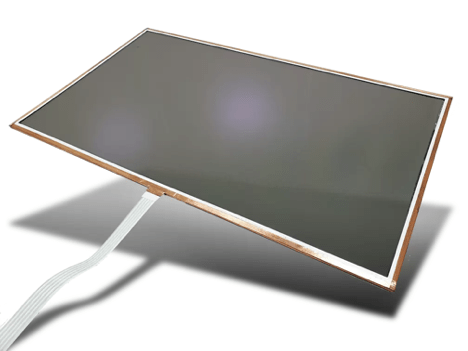
Under the hood, today’s aerospace LCD displays typically combine high-brightness LED backlights, wide-viewing-angle TFT panels such as IPS, and optical bonding. Optical bonding fills the air gap between the cover glass and the LCD with a clear adhesive, which cuts internal reflections and improves resistance to shock and condensation.
What Makes a Cockpit Display Sunlight Readable?
A cockpit display is sunlight readable when pilots can read it with direct sun on the screen and still dim it far enough for night flying. Display engineers usually get there with a combination of:
- High-brightness backlights, often around 1,000 nits or more for direct-sun cockpit positions.
- Transflective LCDs, which reflect ambient light so contrast holds up as sunlight increases.
- Optical bonding and anti-reflective films that reduce reflections from the cover glass.
- A wide dimming range and NVIS-compatible lighting (per MIL-STD-3009) so the same display works with night vision goggles.
Certification readiness matters just as much. Avionics displays are usually designed to support environmental qualification to RTCA DO-160, and military programs often add MIL-STD-810 and MIL-STD-461 (EMI) testing. The aircraft OEM or integrator holds the certification, so choose a display partner that can support testing and supply documentation.
How Touchscreen Avionics Are Enhancing Pilot Efficiency
The introduction of avionics touchscreens is improving cockpit interaction. These touch-based controls are replacing conventional panels, providing:
- Simplified interfaces that reduce the number of physical controls.
- Faster access to flight data for real-time decision-making.
- Optimized touch response for use in various conditions.
- More intuitive troubleshooting and navigational inputs.
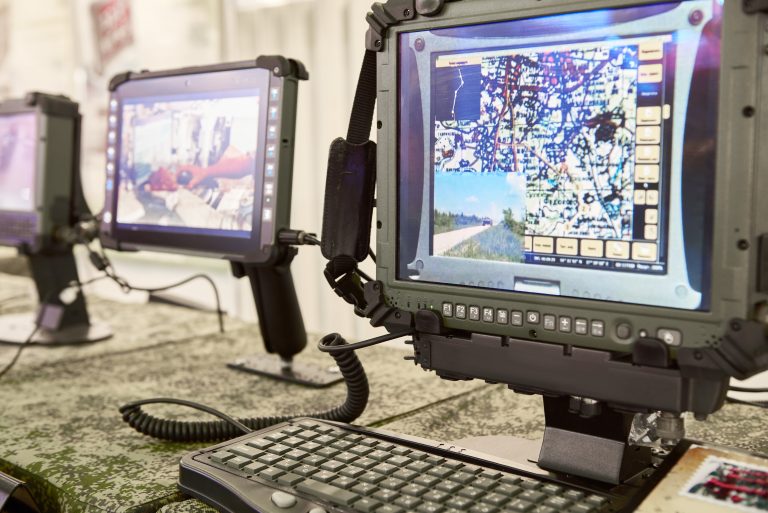
Avionics display manufacturers are ensuring that touchscreen avionics maintain responsiveness even in turbulent conditions. Many modern interfaces are designed for glove-friendly operation, making them adaptable across different aviation environments, including commercial and defense sectors. Many newer avionics touchscreens use projected capacitive technology, and these PCAP touchscreens are tuned to work with flight gloves and to reject false touches from moisture.
Why Aerospace Displays Must Be Ultra-Reliable
Aerospace displays must function flawlessly under demanding conditions. To ensure reliability, avionics display manufacturers prioritize:
- Rugged designs to withstand vibrations, temperature shifts, and altitude changes.
- Backup systems and fail-safe mechanisms to maintain continuous operation.
- Long-life components to minimize the need for frequent replacements.
- Industry compliance and rigorous testing for consistent performance.
- EMI shielding and RFI filtering so displays neither disturb nor are disturbed by radios and other avionics.
Industries such as military, transportation, and industrial aviation require dependable avionics displays to ensure mission success and passenger safety. Reliability in cockpit displays plays a vital role in preventing operational failures and improving overall flight management.
Choosing the Right Avionics Display Manufacturer
Selecting an experienced avionics display manufacturer is crucial for ensuring performance, durability, and long-term functionality. Key factors to consider include:
- Expertise in aerospace display technology.
- Customization options to meet specific operational needs.
- Compliance with aviation safety and industry regulations.
- Integration support for smooth cockpit upgrades.
- In-house optical enhancements, such as optical bonding, anti-reflective film lamination and NVIS filtering, to reduce multi-vendor risk.
A manufacturer with a strong background in military, medical, and industrial avionics can provide solutions tailored to different aviation applications. Ensuring that displays meet performance and reliability standards is essential for achieving operational success. For avionics displays intended for cockpit integration, discuss the mechanical envelope, bezel, video interface (for example LVDS or eDP) and dimming curve with the manufacturer early in the program.
Future Trends: AR, AI, and Smarter Cockpits
The next generation of avionics displays is set to incorporate cutting-edge innovations such as:
- Augmented reality overlays for enhanced situational awareness.
- AI-driven analytics to assist with flight monitoring and automation.
- Touchless gesture control systems for seamless cockpit interaction.
- Lighter, power-efficient OLED and microLED displays for optimized performance.
- Large-area and wide-aspect-ratio displays that merge several instruments into one continuous screen.
These advancements will continue to refine how pilots interact with avionics systems, supporting faster and more accurate decision-making. The growing use of AI and automation will further transform flight control systems across all aviation sectors.
The Future of Flight Starts with Smarter Displays
Modern avionics displays are revolutionizing aerospace operations, enhancing pilot efficiency, and improving safety. Selecting the right avionics display manufacturer ensures access to innovative, high-quality display solutions designed for evolving industry demands.
E3 Displays specializes in custom avionics touchscreens, aircraft LCD displays, and aerospace display solutions for commercial, military, and industrial applications. With extensive experience in display technology, E3 Displays delivers reliable solutions tailored to the evolving needs of aviation. Our capabilities include custom display design, optical bonding, film lamination, EMI protection, NVIS displays and zero pixel inspection, supported by our engineering team in Phoenix, AZ. See our avionics case study for program examples. Explore advanced avionics display solutions with E3 Displays today!