
·
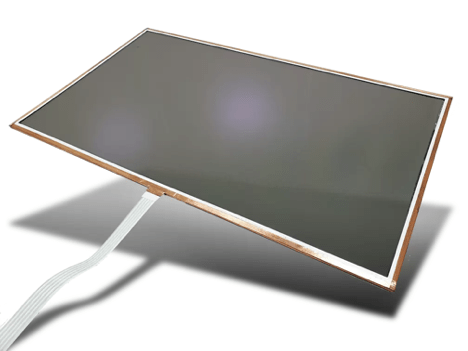
A memory LCD (MLCD) is a low-power liquid crystal display that stores each pixel’s state inside the panel, so a static image stays on screen with almost no power. Because most memory LCDs are reflective, they remain readable in bright sunlight without a backlight. These traits make them a leading choice for always-on display solutions in battery-powered devices.
For industries demanding reliable, energy-efficient displays capable of extended operation, memory LCD displays offer a high-value solution. As technology advances, the need for low-power, high-visibility displays in the medical, military, aerospace, industrial, commercial, and transportation sectors has grown significantly. Memory LCD Display Manufacturers are revolutionizing continuous-operation devices by providing ultra-low power consumption and clear readability, supporting cost-effective performance while enhancing operational dependability.
The Key Benefits of Memory LCD Displays
Memory LCDs are energy efficient, making them ideal for applications requiring devices to stay “always on.” Unlike traditional displays that consume significant power due to constant refreshing, memory LCDs only draw power when pixels change. This selective pixel power usage offers a critical advantage, particularly for industries needing round-the-clock displays in battery-dependent devices. The savings come from the technology behind memory-in-pixel (MIP) displays: a tiny memory cell inside each pixel holds its value between updates, so the screen does not have to be redrawn dozens of times per second.
Some other key advantages of MLCD displays include:
- Reduced Power Consumption: Memory LCDs significantly extend device battery life, supporting reliability even during continuous operation.
- Enhanced Visibility in Any Lighting: With high contrast and sharp image quality, MLCD Displays maintain readability across a variety of ambient lighting conditions, reducing the need for excessive backlighting.
- Lightweight and Thin Design: Exceptionally compact, memory LCDs enable lighter and more ergonomic device designs without compromising display clarity or durability.
- Simple Integration: Many memory LCD screens use a serial (SPI) interface and low-power drive electronics, which keeps wiring and controller requirements modest in small devices.
Memory LCD vs. Conventional TFT LCD for Always-On Devices
Choosing between a memory LCD and a standard TFT LCD usually comes down to content and power budget:
- Power: a TFT LCD refreshes continuously and runs a backlight; a memory LCD holds a static image at microwatt-level power.
- Sunlight readability: reflective memory LCDs get easier to read as ambient light increases, while transmissive TFTs need high-brightness backlights or optical enhancements outdoors.
- Content: TFT handles full color and video; memory LCDs suit text, icons, gauges and simple graphics with a limited color palette.
- Best fit: memory LCDs for wearables, handheld meters, sensors and always-on status screens; TFT for rich, video-heavy interfaces.
How Memory LCDs Meet Industry Demands
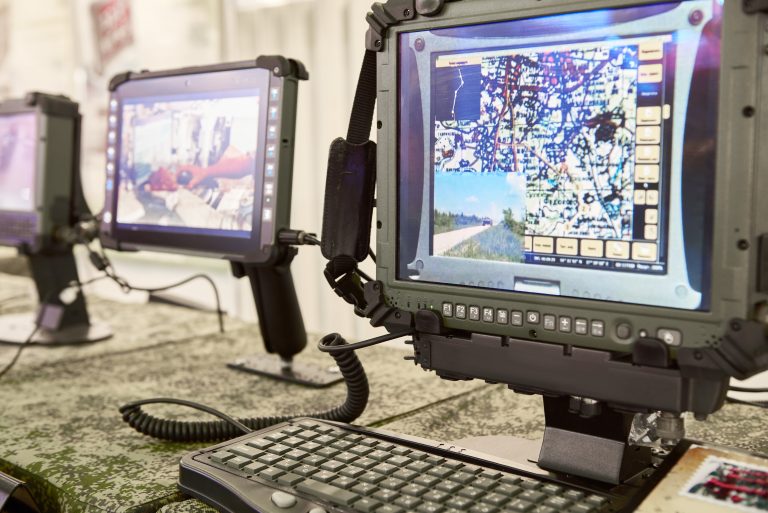
MLCD displays are essential in environments where device downtime is not an option. For example, in the medical device sector, the ability to monitor patient vitals continuously with ultra-low power consumption enhances both safety and resource efficiency. In military and aerospace, MLCD displays provide a resilient and reliable interface for devices in the field, where battery longevity and display clarity are paramount.
Industries benefiting significantly from memory LCD displays include:
- Medical Device and Equipment Manufacturing: Constant readability and low power draw are essential for patient monitoring and handheld diagnostic tools.
- Aerospace and Military Applications: Reliable visibility in high-contrast environments and reduced maintenance demands benefit critical equipment.
- Industrial and Commercial Sectors: Ideal for automation controls and handheld tools that require prolonged, stable operation with minimal downtime.
Why Choose E3 Displays for Specialized MLCD Solutions
E3 Displays excels in delivering memory LCD display solutions tailored to the specific demands of each industry. As one of the leading memory LCD display manufacturers, the company offers a broad product range, including sunlight-readable displays, ruggedized options, and specialty formats that integrate seamlessly into diverse applications. With a focus on human-machine interaction (HMI) and control system optimization, E3 Displays ensures high reliability and optimized performance across its display solutions. Explore E3’s memory displays (MLCD) to see available options, and pair them with services such as optical bonding, film lamination and EMI shielding from our engineering team in Phoenix, AZ.
E3 Displays’ comprehensive approach includes:
- Customized Design Solutions: From initial concept to final product, E3 Displays partners closely with clients to design displays that fit seamlessly into operational environments.
- Technical Expertise and Support: With an experienced team skilled in the nuances of display technology, E3 Displays provides full support, from trade study and specification development to final delivery.
- Innovative Technologies for Energy Savings: Through a portfolio that includes MLCD, rugged, and sunlight-readable displays, E3 Displays offers options prioritizing durability, energy savings, and ease of integration.
Memory LCDs and the Growth of Always-On Devices
The demand for energy-efficient, always-on displays continues to grow across various sectors. As memory LCD displays become integral to industries prioritizing reliability and minimal maintenance, E3 Displays is at the forefront, offering solutions aligned with industry standards and operational demands. By leveraging memory LCDs, companies can achieve superior device performance while maintaining low operational costs and maximizing device uptime.
For more information on specialized display solutions from E3 Displays, contact our engineers to discuss memory LCD and always-on display solutions for your next device.