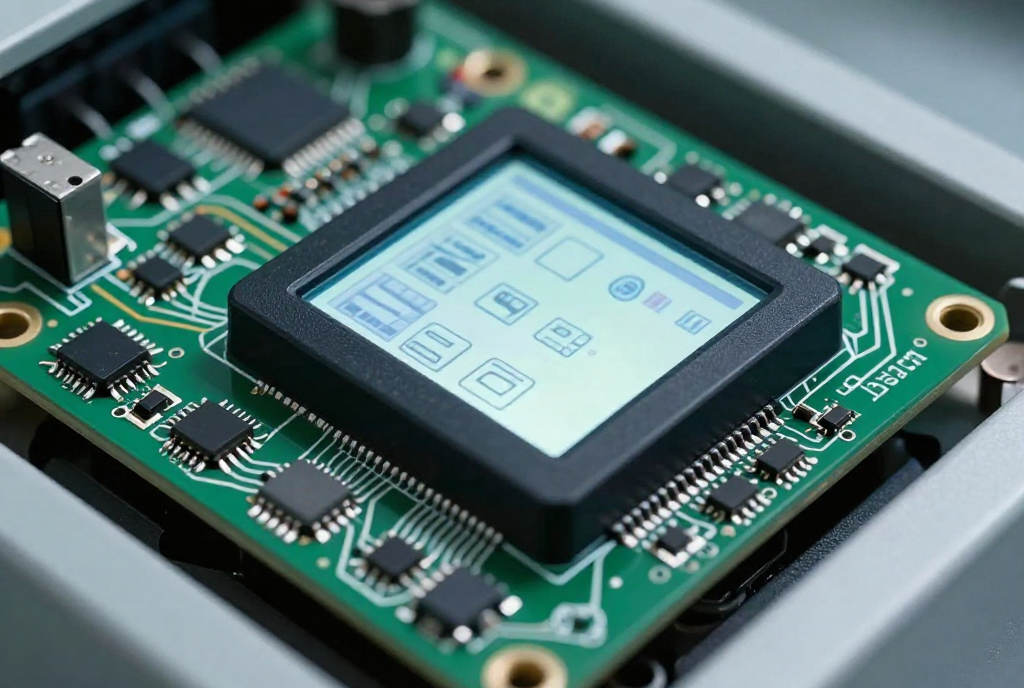
Embedded systems operate within strict power, space, and thermal constraints. Every component added to the system affects overall efficiency, reliability, and lifecycle performance. Among these components, the display is often the most underestimated contributor to power consumption.
Low-power LCD display modules play a critical role in embedded system design where energy efficiency, long operating life, and predictable performance are required. In industrial and commercial devices, selecting the right display technology directly influences battery life, heat generation, processing load, and system stability.
Understanding why low-power LCD display modules matter helps embedded designers make informed decisions early in development, before power limitations become design constraints.
People Also Ask (PAAs)
What makes an LCD display low power in embedded systems?
Low-power LCD displays reduce energy use by requiring fewer refreshes, using efficient electronics, and minimizing backlight operation.
When should engineers use LCD displays with memory in embedded design?
Memory LCD displays are best suited to embedded systems with static or infrequently changing content, where power efficiency is critical.
What “Low Power” Means in Embedded Display Design
Low power in embedded display design refers to minimizing energy consumption without compromising readability, responsiveness, or reliability. Unlike consumer electronics, embedded systems often operate continuously, remotely, or in environments with limited power availability.
Low-power LCD modules reduce energy draw by:
- Operating at lower refresh rates
- Maintaining static images without constant updates
- Eliminating the need for high-brightness backlighting
- Using efficient driving electronics
These characteristics allow embedded systems to conserve power while still presenting clear visual information.
The Role of the Display in an Embedded Power Budget
In many embedded systems, the display consumes a significant portion of total power. This is especially true when systems rely on batteries, energy harvesting, or strict power supply limits.
Key contributors to display-related power consumption include:
- Backlight operation
- Refresh frequency
- Controller processing overhead
- Interface communication cycles
Low-power LCD display modules help stabilize the overall power budget by reducing continuous energy draw. This allows system designers to allocate power more effectively across processors, sensors, communication modules, and control logic.
Common Embedded Applications That Benefit from Low Power LCD Modules
Low-power LCD technology supports a wide range of embedded applications where energy efficiency and long operational life are essential.
Typical applications include:
- Industrial monitoring and control systems
- Medical and diagnostic devices
- Portable instrumentation
- Battery-powered industrial HMIs
- Smart meters and data loggers
- Remote sensors and field equipment
In these environments, low-power displays enable longer deployment cycles, reduced maintenance requirements, and improved system reliability.
Low Power LCD Technologies Used in Embedded Systems
Several LCD technologies support low-power operation in embedded designs. Each approach balances energy efficiency with performance requirements.
Memory LCD Displays
Memory LCD displays retain image data at the pixel level. Once an image is written, it remains visible without continuous refreshing. Power is only consumed when the image changes.
Key characteristics include:
- Extremely low static power consumption
- Clear visibility under ambient lighting
- Minimal controller processing requirements
Memory LCD technology is well-suited for status displays, data readouts, and applications with infrequent screen updates.
Reflective and Transflective LCDs
Reflective and transflective LCD modules rely on ambient light rather than strong backlighting. This significantly reduces power consumption while maintaining readability in well-lit environments.
These displays are commonly used in:
- Outdoor industrial equipment
- Portable instrumentation
- Energy-constrained embedded systems
Optimized TFT LCD Modules
Certain TFT LCD modules are engineered for low power operation through:
- Efficient LED backlight control
- Reduced refresh rates
- Optimized drive electronics
These modules provide richer graphics while maintaining acceptable power efficiency when designed for embedded use.
Design Trade-Offs Engineers Must Consider
Low-power LCD selection involves balancing efficiency, usability, and performance. Designers must evaluate several trade-offs during system development.
Important considerations include:
- Refresh rate versus response time
- Static image performance versus dynamic graphics
- Viewing angle requirements
- Operating temperature range
- Interface compatibility with system controllers
Choosing the lowest-power option without matching application requirements can compromise readability or limit functionality. Successful embedded design aligns display capability with the system’s purpose.
Selecting the Right Low-Power LCD Module for an Embedded Project
Selecting the appropriate low-power LCD module starts with understanding how the display will function within the system.
Key selection factors include:
- Expected update frequency
- Required resolution and contrast
- Ambient lighting conditions
- Power source limitations
- Product lifecycle expectations
Evaluating these parameters early helps prevent redesigns and power optimization issues later in development.
Low-power display modules designed specifically for embedded systems deliver predictable performance over extended deployment periods.
How Embedded-Focused Display Design Supports System Performance
Low-power LCD display modules play a critical role in embedded system design. By reducing continuous energy consumption, these memory-in-pixel displays improve efficiency, stability, and long-term reliability across industrial and commercial applications.
Low-power LCD modules directly improve embedded system performance by enabling stable power consumption, reducing heat generation, and ensuring predictable operation.
When displays consume less power:
- Thermal management improves
- Battery performance becomes more reliable
- Component stress is reduced
- System uptime increases
Embedded-focused display design supports consistent performance across the whole product lifecycle. This approach aligns with industrial and commercial expectations for reliability and longevity.
Selecting the right display technology requires understanding how display behavior interacts with system power budgets and operational requirements. With experience in embedded-focused display integration, E3 Displays supports the development of low-power LCD display solutions that meet real-world system requirements. Contact E3 Displays to learn more.