Industrial displays rarely operate in controlled conditions. They face glare, shock, vibration, condensation, and temperature shifts. In many commercial systems, performance issues do not begin with the display panel itself. They begin with the air gap between layers.
Optical bonding addresses that structural limitation. The bonding eliminates internal air gaps and directly attaches the cover glass to the display using a clear adhesive. This improves visual clarity, durability, and environmental resistance. Across diverse display environments, optical bonding plays a measurable role in maintaining consistent performance.
People Also Ask (PAAs)
What is optical bonding in display technology?
Optical bonding is the process of filling the air gap between the cover glass and display panel with a transparent adhesive to reduce reflections, improve contrast, and increase durability.
When is optical bonding necessary for industrial displays?
Optical bonding is often necessary in outdoor, rugged, temperature-variable, or moisture-prone environments where glare reduction and structural reinforcement are critical.
Why Environment Defines Display Performance
Display performance depends on more than resolution and brightness ratings. Environmental exposure changes how light travels through the display stack.
Common stress factors include:
- Direct sunlight and ambient glare
- Mechanical shock and vibration
- Wide temperature swings
- Moisture and condensation
- Frequent cleaning and chemical exposure
An air gap inside the display stack allows internal reflections. It also creates a cavity where moisture can accumulate. Optical bonding reduces these risks by creating a unified optical structure.
What Optical Bonding Actually Changes in a Display Stack
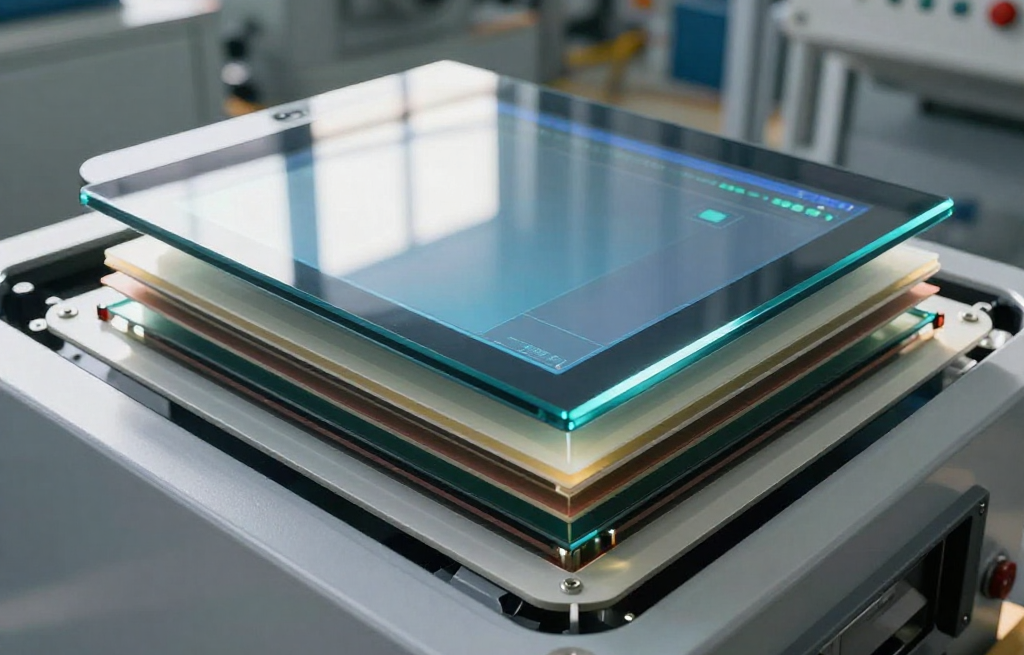
A standard display stack typically includes:
- Cover glass
- Air gap
- Touch sensor
- LCD or OLED module
That air gap refracts light. It reduces contrast and increases glare. Optical bonding fills this gap with a transparent adhesive, typically silicone or acrylic-based.
This change produces measurable improvements:
Reduced internal light reflection
- Improved contrast ratio
- Increased perceived brightness
- Enhanced impact resistance
- Reduced condensation formation
The process transforms separate layers into a single optical unit. The result is improved readability and structural stability.
Optical Bonding in High-Brightness Outdoor Environments
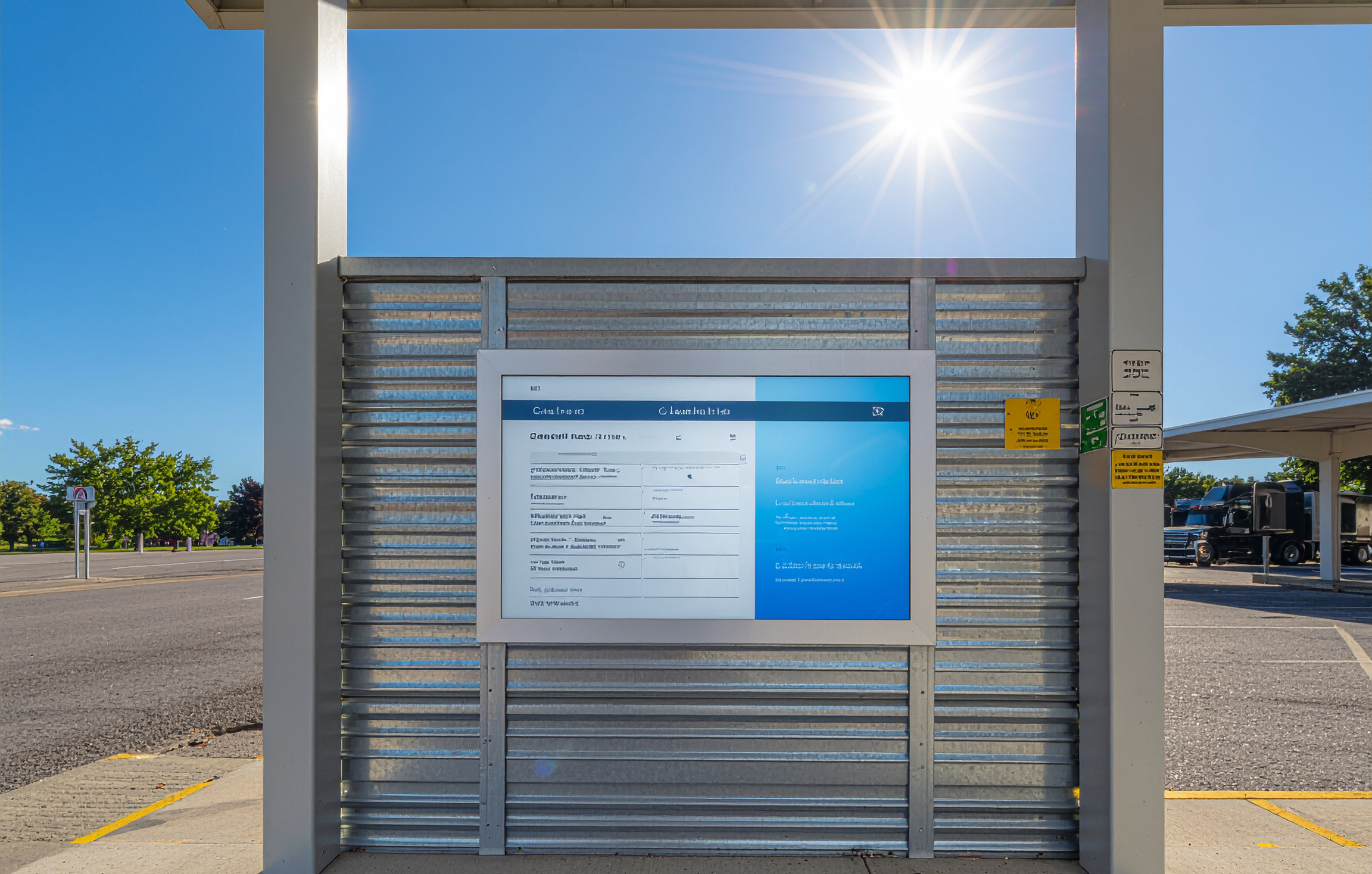
Outdoor and high-ambient-light environments demand high contrast and strong readability. Standard displays lose visibility when sunlight reflects off internal layers.
This method improves outdoor performance by:
- Minimizing internal reflection
- Increasing light transmission efficiency
- Reducing surface glare
- Enhancing optical clarity
Because bonded displays require less backlight intensity to achieve the same perceived brightness, system power efficiency can also improve. For industrial kiosks, transportation panels, and outdoor controls, optical bonding directly supports daylight readability.
Performance in Rugged & Shock-Prone Environments
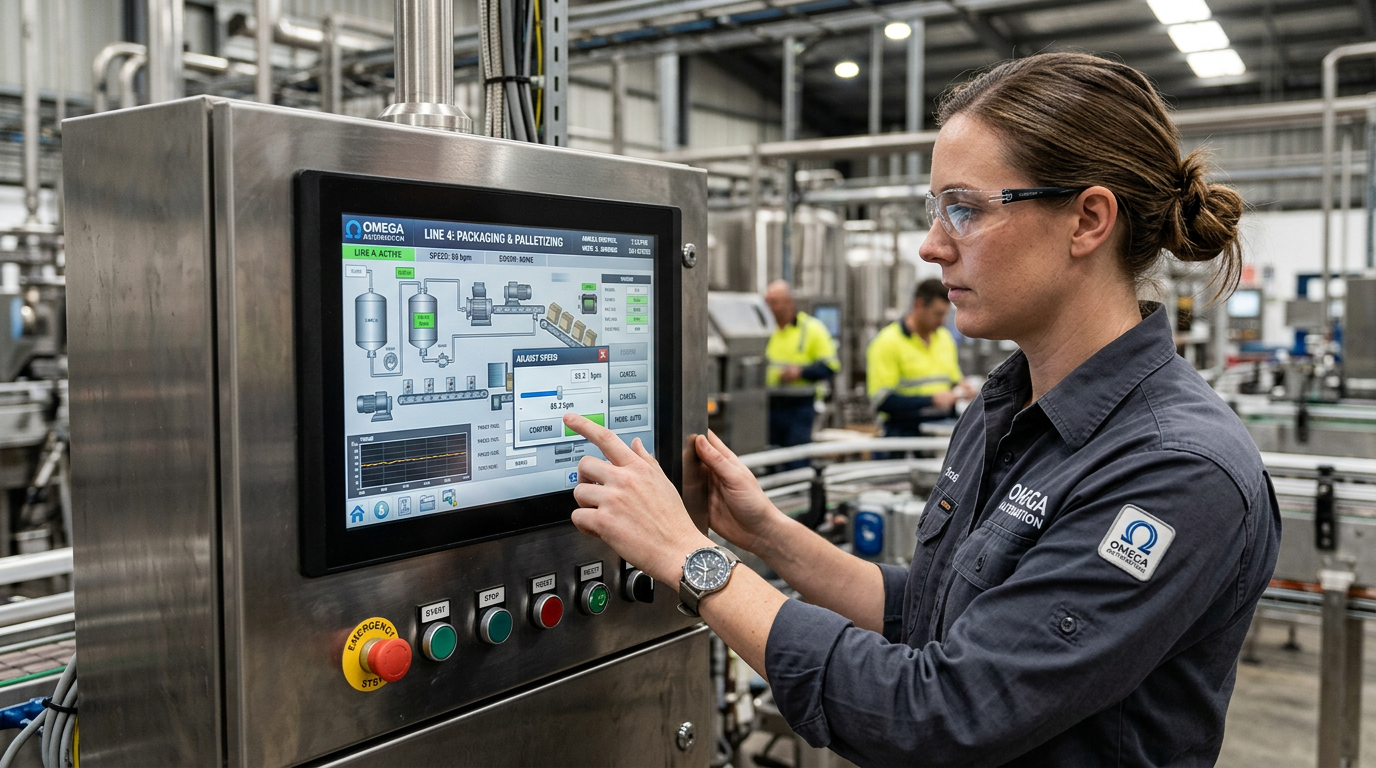
Industrial equipment, heavy machinery interfaces, and mobile systems experience vibration and mechanical shock. An air gap allows micro-movement between layers. Over time, that movement weakens seals and structural alignment.
Optical bonding services increase durability by:
- Reinforcing the bond between glass and display
- Reducing stress from vibration
- Distributing impact forces more evenly
- Minimizing the risk of delamination
This mechanical reinforcement supports long-lifecycle commercial systems, where display replacements create downtime and cost exposure.
Wide Temperature & Condensation-Prone Environments
Temperature fluctuations create expansion and contraction within the display stack. In air-gapped designs, this movement can draw moisture into the cavity. Condensation reduces clarity and may shorten component life.
The bonded structure mitigates these risks by:
- Removing internal cavities
- Preventing fogging between layers
- Supporting stable thermal expansion
- Reducing thermal reflection differences
For equipment operating in cold storage, transportation systems, or outdoor enclosures, bonded displays maintain clarity across changing conditions.
Healthcare & Cleanroom Environments
Medical and laboratory environments require smooth, sealed surfaces. Air gaps create edges where contaminants can accumulate.
Optical bonding enables:
- A sealed, edge-to-edge glass surface
- Improved resistance to cleaning agents
- Reduced contamination pathways
- Clear imaging for diagnostic interfaces
In healthcare systems, visual clarity and surface integrity both matter. Bonded displays help maintain both.
Optical Bonding as an Application-Specific Engineering Strategy
Optical bonding is not a cosmetic enhancement. It is an engineering decision based on environmental exposure, lifecycle expectations, and visual performance requirements.
When evaluating display architecture, commercial and industrial teams typically assess:
- Ambient light conditions
- Mechanical stress level
- Operating temperature range
- Cleaning and chemical exposure
- Expected service life
By aligning bonding decisions with application demands, manufacturers reduce long-term risk and improve field reliability.
For systems operating beyond controlled indoor environments, optical bonding often becomes a structural necessity rather than an optional upgrade.
Contact E3 Displays to evaluate strategies for optical bonding touchscreen for specific applications and make informed choices.