Supply chain disruptions continue to affect electronics manufacturing worldwide. Custom display manufacturing is more complex due to long component lifecycles, specialized materials, and strict performance requirements. For commercial and industrial businesses, understanding how US-based custom display manufacturing companies adapt to these challenges supports better sourcing and design decisions.
Understanding Supply Chain Challenges in the Custom Display Industry
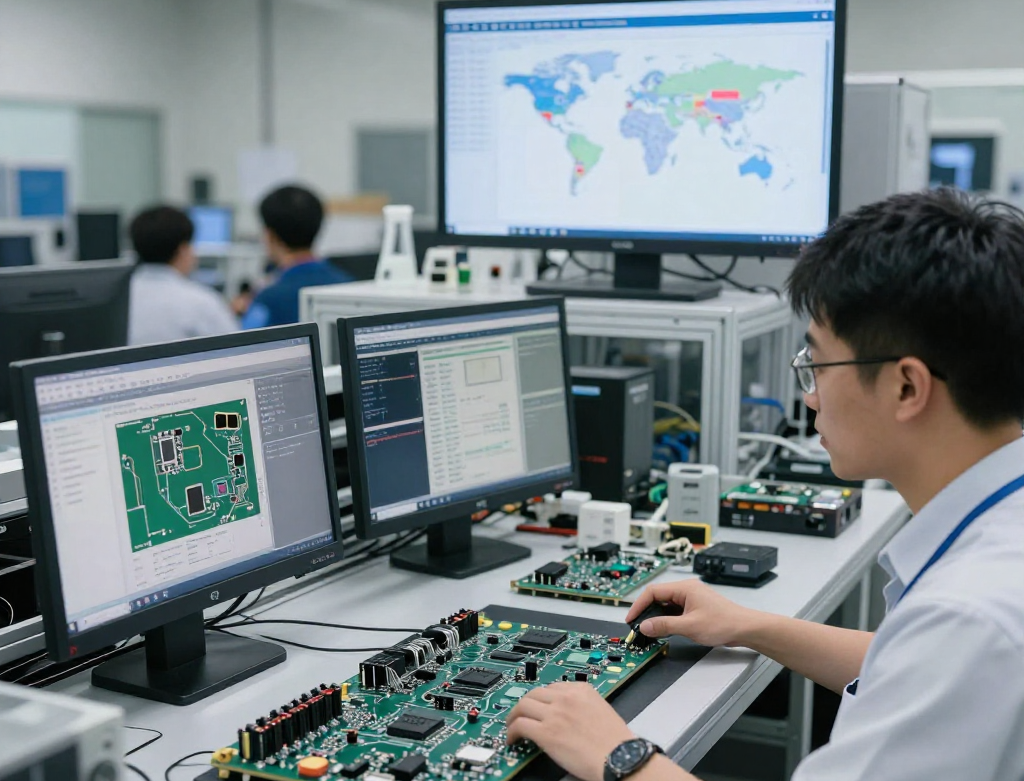
Custom displays rely on tightly specified components, including glass substrates, driver ICs, backlights, and controllers. Many of these parts are sourced globally and require long lead times. Disruptions in logistics, raw material availability, and geopolitical conditions can affect production schedules and product continuity.
Unlike consumer electronics, industrial and commercial displays often support equipment with multi-year or decade-long service lives. This increases the impact of component shortages and end-of-life risks.
Strategic Supplier Diversification
One common adaptation strategy involves supplier diversification. US-based custom display manufacturing companies reduce dependence on single sources by qualifying multiple suppliers for key components.
This approach supports:
- Improved lead time flexibility
- Reduced exposure to regional disruptions
- Greater continuity during supplier shutdowns
Supplier qualification focuses on electrical compatibility, mechanical tolerance, and long-term availability rather than lowest cost alone.
Design-Level Adaptations to Improve Supply Chain Stability
Design decisions directly influence supply chain resilience. Custom display engineering teams increasingly design platforms that accommodate alternative components without requiring complete redesigns.
Design-level adaptations include:
- Flexible controller interfaces
- Modular backlight assemblies
- Tolerance planning for alternate glass or optical layers
These strategies allow manufacturers to adjust sourcing while preserving performance and certification requirements.
Lifecycle Management and Long-Term Component Planning
Lifecycle management plays a critical role in mitigating supply chain risk. Industrial display programs often require component availability well beyond standard commercial timelines.
US-based manufacturers address this by:
- Monitoring component lifecycle status early
- Planning last-time buys when necessary
- Aligning display architecture with long-term roadmaps
This proactive approach supports stable production and serviceability over extended product lifespans.
Inventory and Production Planning Adjustments
Inventory strategies have shifted in response to unpredictable lead times. Rather than relying on just-in-time models, many custom display manufacturers adopt hybrid inventory planning.
Key adjustments include:
- Buffer stock for high-risk components
- Forecast-driven production scheduling
- Closer coordination between engineering and procurement
These measures reduce delays while maintaining quality and traceability standards.
Strengthening US-Based Engineering and Program Management
US-based engineering and program management teams provide closer oversight during periods of supply volatility. A local engineering presence improves communication, accelerates design changes, and enables faster issue resolution.
Program management alignment ensures that sourcing, design, and production decisions remain coordinated throughout the project lifecycle. This structure helps maintain delivery schedules during periods of supply volatility.
How Custom Manufacturing Models Reduce Supply Chain Exposure
Custom manufacturing models offer advantages over off-the-shelf sourcing during supply disruptions. Tailored designs reduce reliance on narrowly specified commercial components that may be discontinued or constrained.
Custom approaches enable:
- Controlled component selection
- Greater flexibility in sourcing strategies
- Improved long-term availability
This model aligns well with industrial equipment requiring consistent performance and long-term support.
What Buyers Should Look for in a Supply-Resilient Display Partner
Supply chain challenges are likely to persist across the electronics manufacturing sector. Selecting display partners with adaptive strategies supports continuity, reliability, and long-term product success.
Evaluating supply resilience requires more than pricing comparisons. Buyers should assess how display partners manage risk across design, sourcing, and lifecycle planning.
Key indicators include:
- Demonstrated lifecycle management processes
- Supplier diversification strategies
- Design flexibility for alternate components
- Integrated engineering and program management
E3 Displays supports complex industrial programs by applying these principles to custom display development for demanding applications. Contact E3 Displays today to access custom displays for a wide range of commercial and industrial applications.



 February 27, 2026
 February 27, 2026
 February 25, 2026