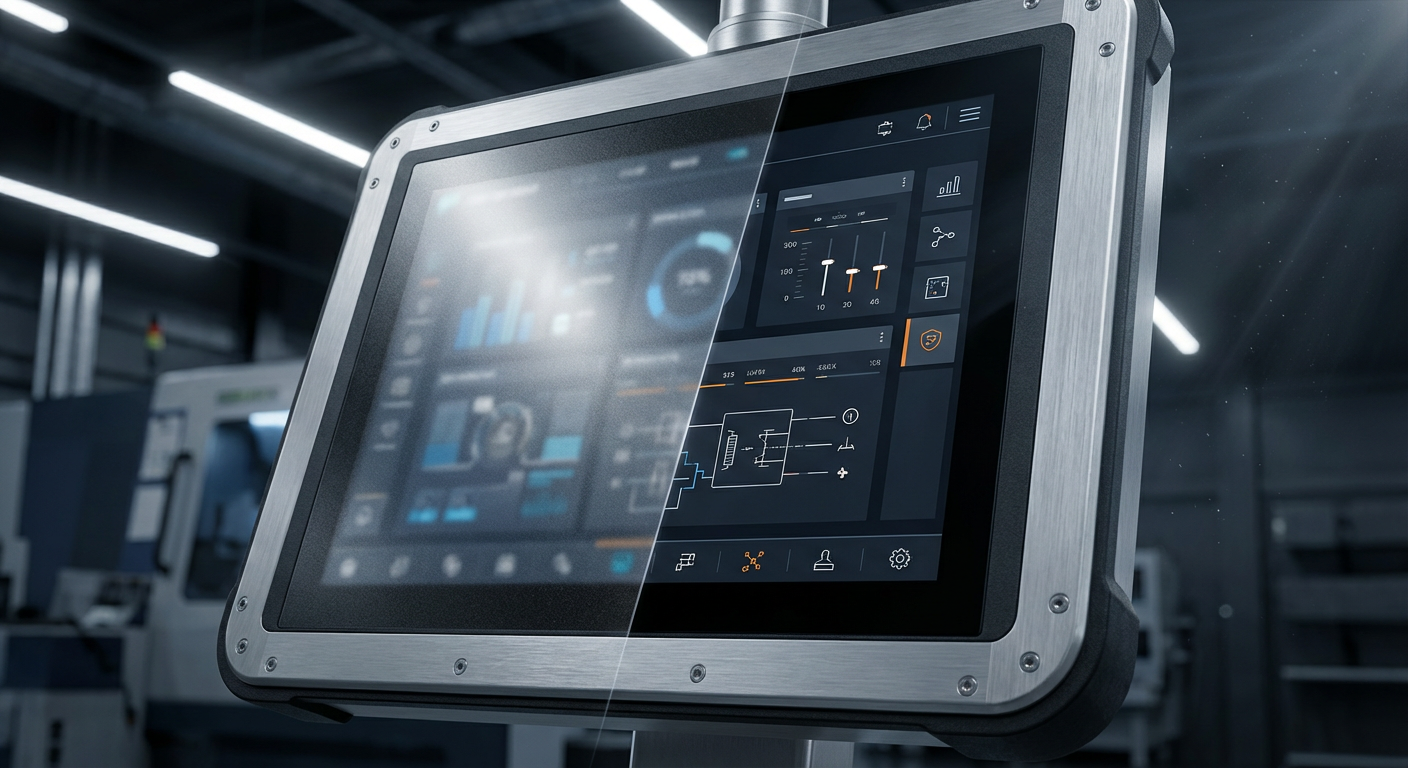
Ambient light, power budgets, and operating conditions directly influence display performance in industrial and commercial systems. Engineers selecting between transmissive and transflective displays must evaluate more than brightness ratings. Real-world readability depends on how a display interacts with sunlight, artificial lighting, and power constraints. Understanding how these technologies behave outside laboratory conditions supports better specification decisions early in product development.
This guide explains how transmissive and transflective displays perform in real-world environments and how to align each technology with operational requirements.
People Also Ask (PAAs)
What is the difference between transmissive and transflective displays?
A transmissive display relies entirely on a backlight for visibility, while a transflective display uses both ambient light reflection and a backlight to maintain readability in varying lighting conditions.
Are transflective displays better for outdoor use?
Transflective displays generally perform better in direct sunlight because they reflect ambient light, enhancing visibility and reducing reliance on high backlight brightness.
Understanding Transmissive Displays
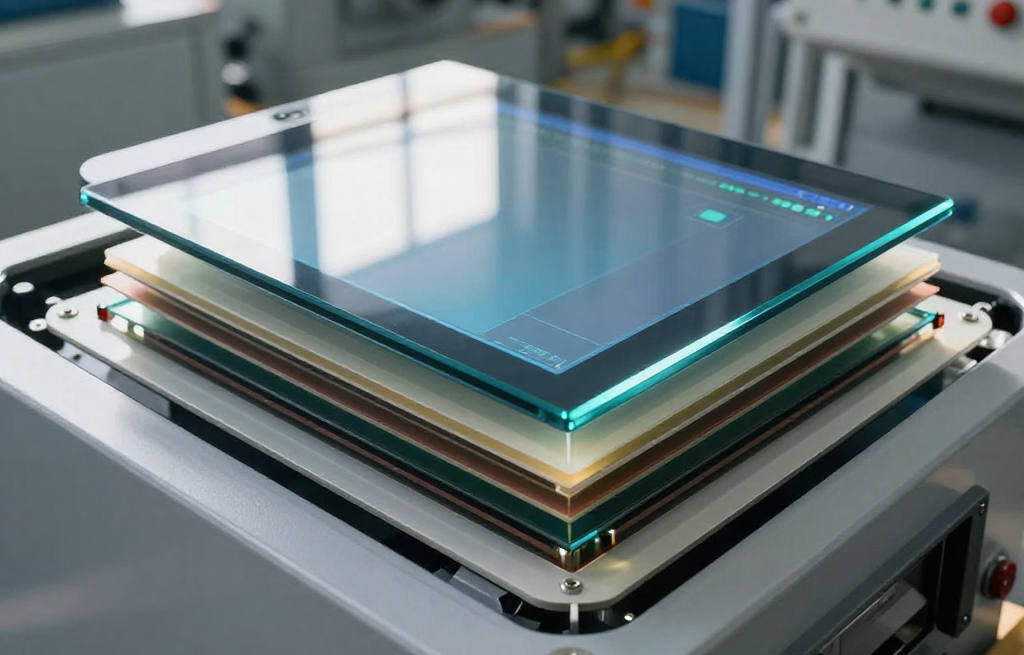
A transmissive display relies entirely on a backlight to produce visible images. Light generated behind the liquid crystal layer passes through color filters and polarizers before reaching the viewer. The display does not use ambient light to enhance visibility.
Key characteristics of transmissive displays:
- Require continuous backlight operation
- Deliver consistent brightness in indoor environments
- Support high color saturation and contrast
- Offer strong performance in controlled lighting
Because all illumination comes from the backlight, brightness levels are predictable and adjustable. Increasing backlight intensity improves visibility in brighter environments. However, this approach also increases power consumption and heat generation.
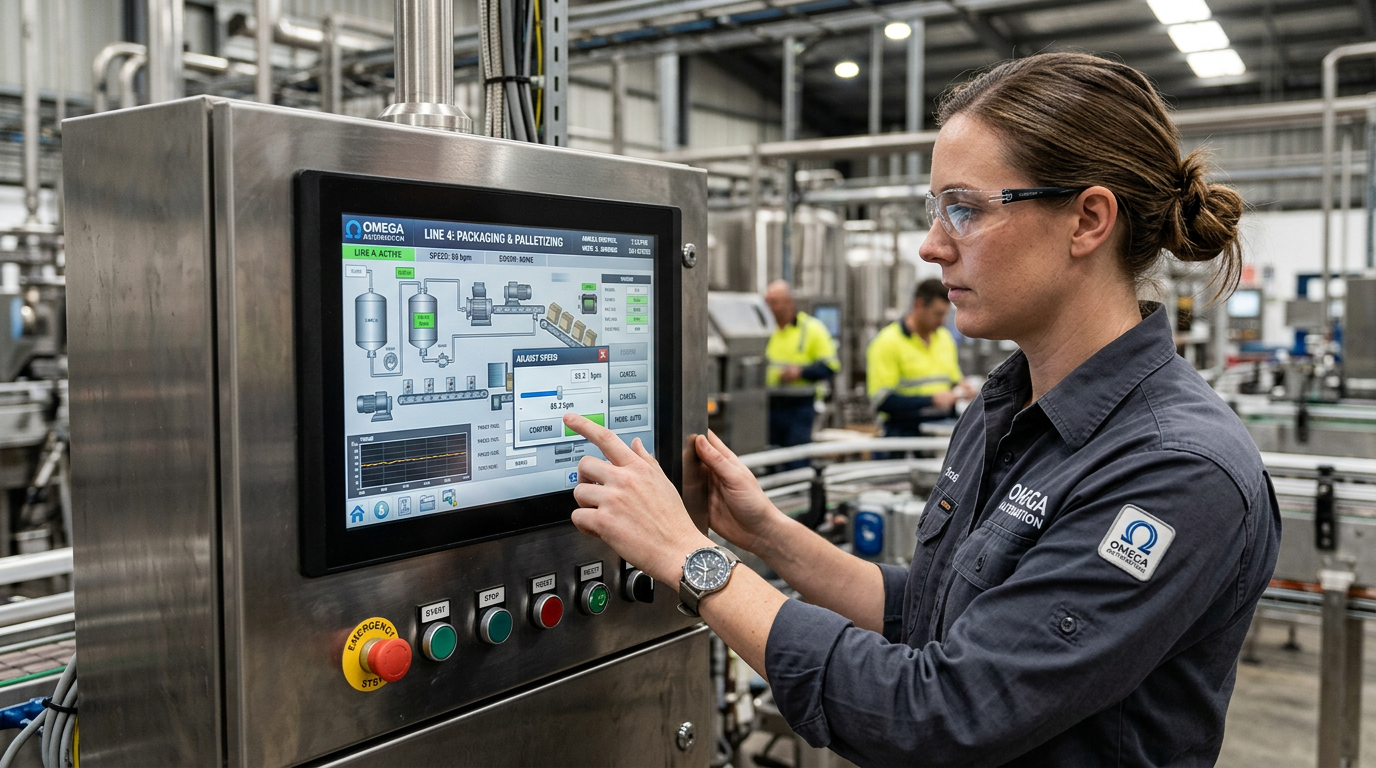
In factory control rooms, medical equipment panels, and commercial indoor instrumentation, transmissive displays often provide stable optical clarity. Their performance remains consistent because ambient light has minimal influence on image formation.
In direct sunlight, performance depends heavily on backlight strength and optical enhancements. Without sufficient luminance, images can appear washed out. Designers often compensate with higher luminance levels measured in nits.
Understanding Transflective Displays
A transflective display combines two modes of operation. It uses a partially reflective layer behind the liquid crystal structure. This layer reflects ambient light through the display while also allowing light from a backlight to pass through.
In bright conditions, ambient light enhances readability. In low-light settings, the backlight activates to maintain visibility.
Core attributes of transflective displays:
- Utilize both ambient light and backlight
- Reduce reliance on high backlight intensity
- Improve readability in sunlight
- Lower average power consumption in outdoor use
The reflective component improves performance when sunlight strikes the display surface. Instead of competing with sunlight, the display uses it. This reduces the need for extremely high luminance levels.
In outdoor kiosks, agricultural equipment, transportation systems, and handheld industrial devices, this hybrid behavior supports energy efficiency. When sunlight is strong, the display operates in reflective mode. When ambient light decreases, the backlight supplements visibility.
Transflective displays do not typically achieve the same color vibrancy as high-brightness transmissive panels. However, they provide superior legibility in mixed lighting environments.
Real-World Performance Comparison
Laboratory brightness ratings do not fully represent field performance. Evaluating transmissive and transflective displays in real-world environments reveals distinct operational differences.
1. Sunlight Readability
- Transmissive Display: Requires high nit output to overcome glare. Performance depends on backlight strength and surface treatments.
- Transflective Display: Uses ambient light to improve contrast. Maintains readability with lower backlight levels.
In outdoor deployments, transflective displays often maintain legibility with minimal power consumption.
2. Indoor Performance
- Transmissive Display: Provides strong color reproduction and stable contrast in office or medical environments.
- Transflective Display: Performs well indoors but may exhibit slightly lower color saturation than transmissive panels.
3. Power Consumption
- Transmissive Display: Continuous backlight operation increases power draw.
- Transflective Display: Reflective mode reduces reliance on backlight in bright conditions.
Battery-powered equipment benefits from reduced energy requirements.
4. Thermal Impact
Higher backlight intensity generates additional heat. In sealed industrial enclosures, thermal management becomes critical. Transflective designs often reduce thermal load under daylight exposure.
5. Long-Term Reliability
Both technologies support long lifecycle products when properly integrated. However, sustained high-brightness backlight operation in transmissive panels may affect long-term energy efficiency.
Key Engineering Considerations When Choosing Between the Two
Reflective LCD display selection must align with environmental exposure, power architecture, and enclosure design.
Important evaluation factors include:
- Expected ambient light range
- Continuous or intermittent outdoor exposure
- Available power budget
- Thermal management constraints
- Desired color accuracy
- Viewing angle requirements
- Optical bonding or surface treatment plans
Transmissive displays suit installations where lighting remains predictable. Transflective displays perform better in applications exposed to direct sunlight or in environments with variable brightness throughout the day.
Engineers should also assess enclosure materials and glass thickness. Optical bonding can improve contrast and reduce internal reflections in both technologies. Surface treatments such as anti-glare coatings further enhance performance without increasing backlight power. Early specification alignment reduces redesign cycles later in development.
When Transmissive Displays Are the Better Choice
Transmissive displays deliver consistent image quality in environments with stable lighting.
Common use cases include:
- Medical diagnostic equipment
- Indoor industrial HMIs
- Laboratory instrumentation
- Commercial automation systems
- Digital control panels in manufacturing facilities
These applications benefit from:
- High color fidelity
- Precise brightness control
- Strong contrast in artificial lighting
- Minimal reliance on environmental conditions
When devices operate primarily indoors, increasing backlight intensity is often acceptable within power and thermal limits.
When Transflective Displays Offer a Performance Advantage
Transflective displays excel in environments where ambient light fluctuates or direct sunlight is unavoidable.
Typical applications include:
- Agricultural machinery interfaces
- Transportation dashboards
- Outdoor kiosks
- Field service equipment
- Portable industrial devices
Performance advantages include:
- Improved readability in bright sunlight
- Reduced average backlight usage
- Lower power consumption in daylight
- Enhanced visibility without extreme luminance
For battery-operated systems or installations with limited thermal dissipation, transflective displays can support more efficient operation.
Making the Right Specification Decision
Selecting between transmissive and transflective displays requires understanding real-world operating conditions rather than relying solely on brightness ratings. Indoor systems with stable lighting often benefit from transmissive clarity and color performance. Outdoor or variable-light environments often favor transflective efficiency and sunlight readability.
Careful evaluation of ambient exposure, power budgets, and mechanical integration supports optimal display performance across the full product lifecycle.
Contact E3 Displays to review available reflective LCD solutions and find display configurations aligned with demanding commercial and industrial environments.