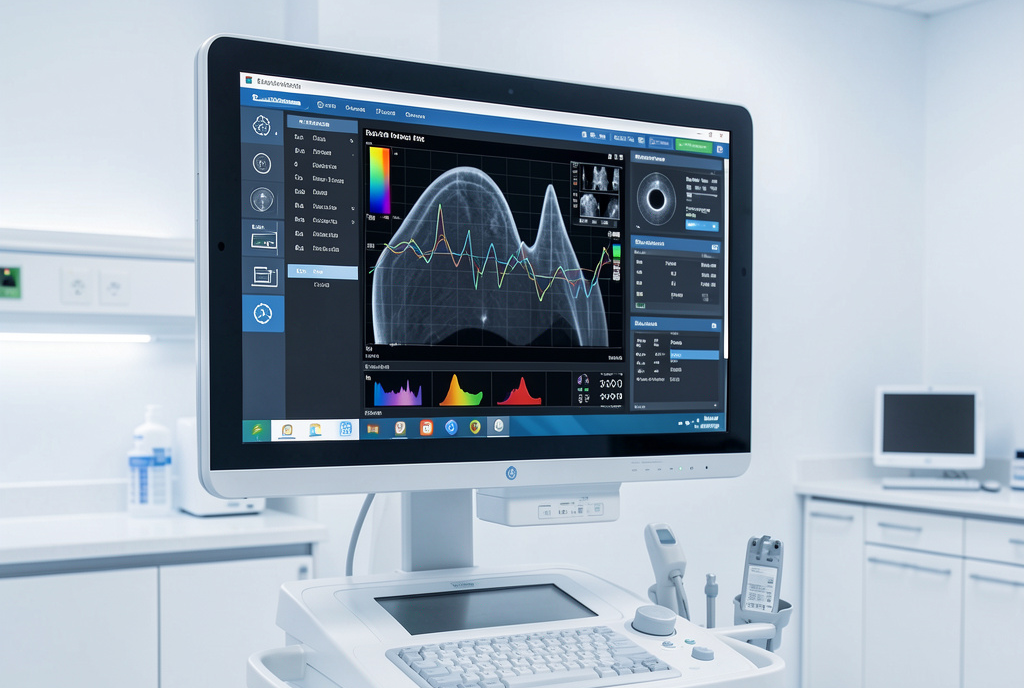
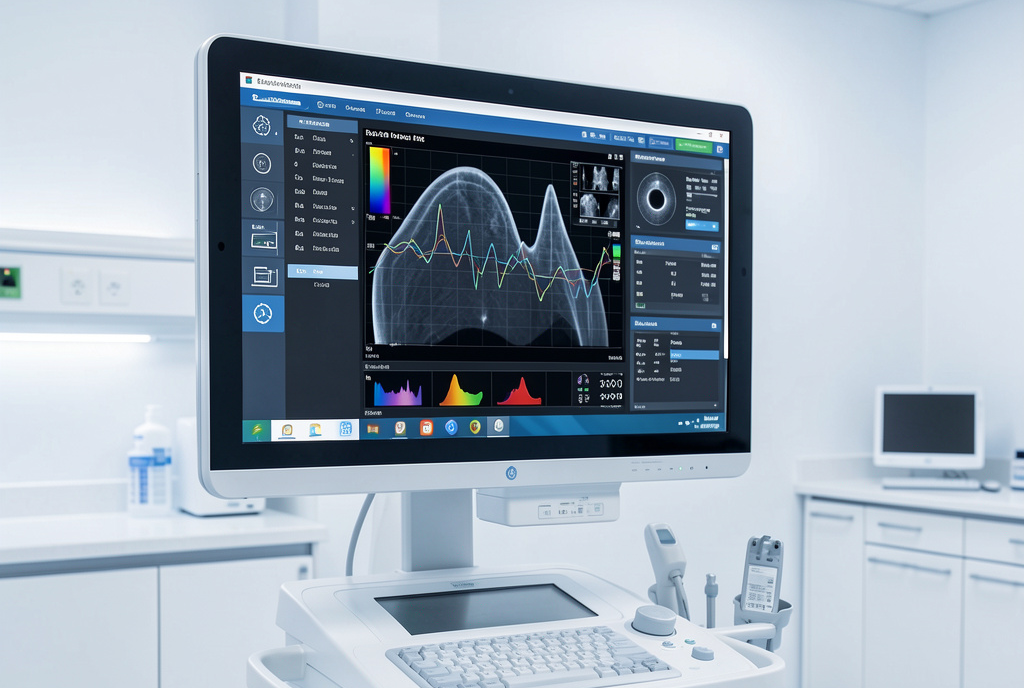
Medical display monitors play a critical role in how clinicians view, interpret, and act on visual data. From patient monitoring systems to diagnostic and surgical equipment, display performance directly affects accuracy, reliability, and long-term usability.
Selecting the right display technology requires a proper partnership with a reliable medical display monitor manufacturer. This provides a clearer understanding of how LCD and IPS panels perform under medical operating conditions. The approach ensures OEMs and device designers make informed decisions that support precision, longevity, and regulatory compliance.
Understanding LCD Display Technology in Medical Display Monitors
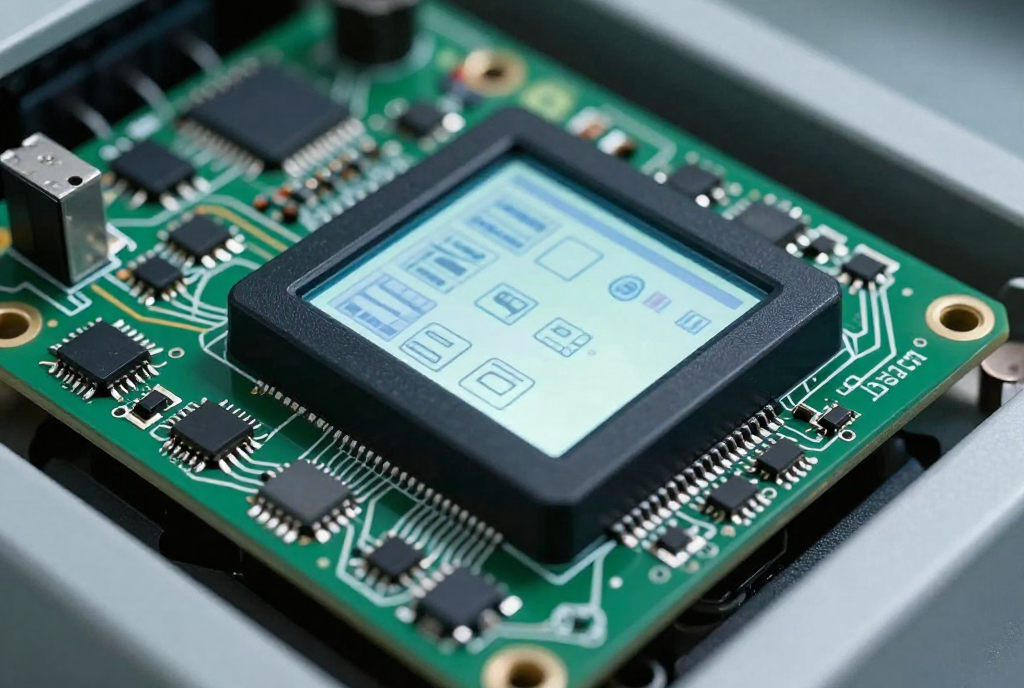
LCDs use a backlight paired with liquid crystal cells to control light transmission. In medical monitors, LCD technology provides stable brightness, predictable color behavior, and consistent image reproduction over extended operating hours.
Medical-grade LCDs are commonly used in patient monitoring, infusion systems, and portable diagnostic equipment. These applications require dependable image quality, low power consumption, and compatibility with compact enclosures.
Key characteristics of LCDs in medical environments include:
- Uniform luminance across the screen
- Long operational lifespan
- Established, widely supported manufacturing processes
- Compatibility with optical bonding and protective cover glass
What Makes IPS Displays Different?
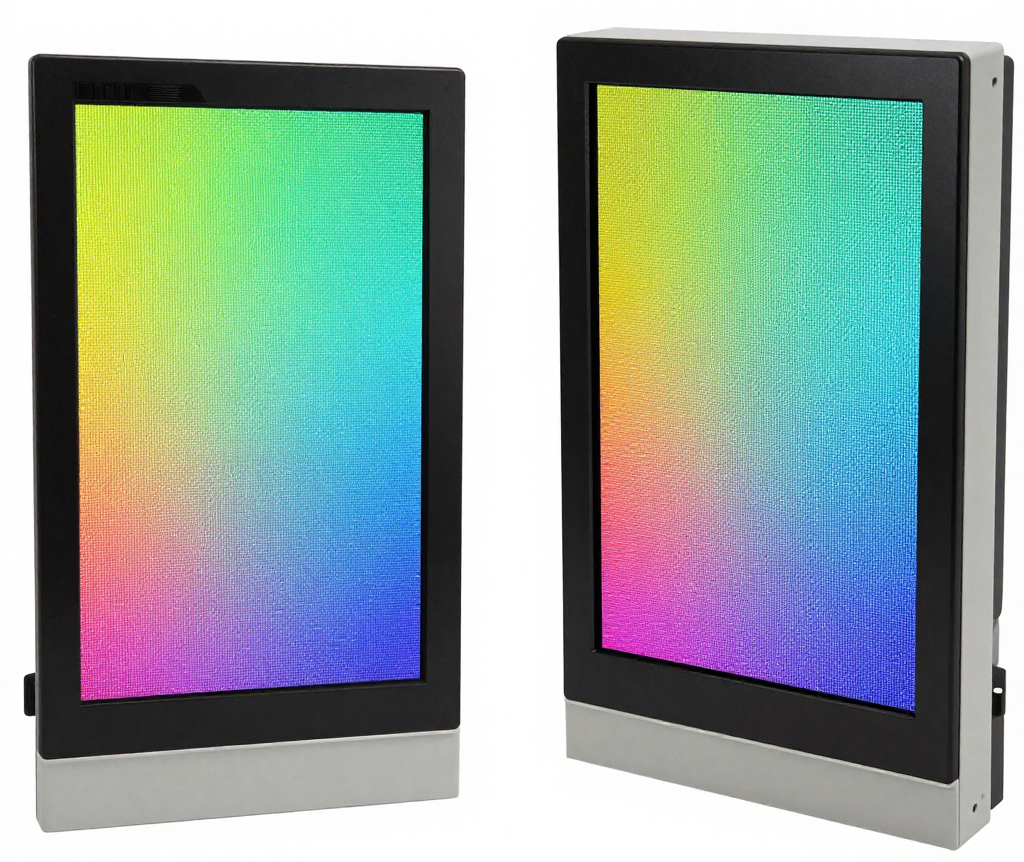
IPS is a specialised LCD technology designed to address limitations in traditional LCD panels. In IPS displays, liquid crystals align parallel to the panel surface, which improves light control and viewing stability.
Medical display monitor manufacturers often use IPS technology when wide viewing angles and color accuracy are critical. This is particularly important in collaborative clinical settings where multiple professionals view the same screen from different positions.
IPS display advantages include:
- Wide viewing angles with minimal color shift
- Improved contrast stability
- Consistent image appearance across the display surface
- Enhanced readability in complex visual layouts
Key Performance Factors for Medical Device Displays
Display resolution alone does not define medical display performance. Engineers evaluate multiple factors to ensure suitability for regulated clinical environments.
Critical performance factors include:
- Brightness consistency for accurate image interpretation
- Contrast ratio to distinguish subtle visual details
- Color uniformity across the active display area
- Touch and display integration compatibility
- Long-term availability for extended product lifecycles
Both LCD and IPS displays can meet medical requirements when properly selected and integrated.
Reliability and Environmental Performance
Medical display solutions operate continuously in environments that demand stability and durability. Displays must perform reliably under temperature variation, frequent cleaning, and prolonged usage.
LCD and IPS displays used in medical monitors are typically paired with robust glass surfaces and sealed constructions. These features help protect internal components while maintaining optical clarity.
Reliability considerations include:
- Resistance to image degradation over time
- Mechanical stability under repeated interaction
- Compatibility with cleaning protocols
- Support for long-duty cycles without performance drift
Power Consumption and Thermal Considerations
Power efficiency remains a priority in medical equipment design, especially for portable and compact devices. LCD and IPS displays exhibit predictable power behavior, simplifying thermal management and enclosure design.
Efficient power use supports:
- Reduced heat generation
- Longer operational life for internal components
- Stable brightness performance
- Improved system-level reliability
Thermal planning ensures displays maintain performance without affecting surrounding electronics.
Selecting the Right Display Technology for Medical Display Monitors
Selecting between LCD and IPS displays requires partnering with a qualified medical display supplier. The supplier can help make the right choice depending on the application’s visual requirements, mechanical constraints, and lifecycle expectations. Standard LCDs suit many medical systems that prioritize efficiency and durability. IPS displays add value when viewing angle stability and color consistency are essential.
Early collaboration with medical display monitor manufacturers is key to ensuring long-term reliability and visual accuracy. Contact E3 Displays to evaluate and integrate display technologies that meet regulatory and performance requirements.


 February 27, 2026
 February 27, 2026
 February 25, 2026