
The difference between anti-glare and anti-reflective treatments is how they handle light. Anti-glare film uses a matte, textured surface that scatters reflections, so glare spreads out instead of hitting your eyes. Anti-reflective coatings use thin optical layers that cancel reflections, so the screen stays clear and sharp. Choose anti-glare for bright, high-touch settings and anti-reflective for image clarity.
Selecting the right film whether it be anti-glare properties or anti-reflective film may be difficult because of their common advantages in the protection of screens and improvement of visibility. However, it is important to note that each technology outlined above serves different purposes, and so, one has to choose the appropriate solution with understanding its use. Here’s a comparison between their advantages and disadvantages and one of them may be more appropriate for your requirements than the other.
What Is Anti-Glare Film?
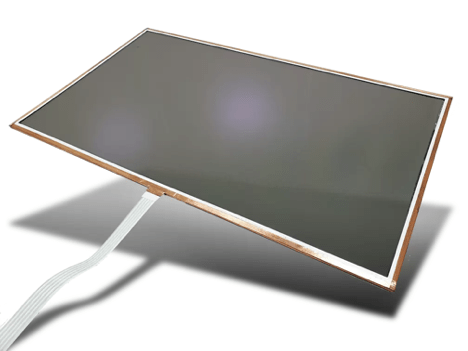
Anti-glare film is designed to reduce light glaring on a screen by diffusing incoming light. The type of light scattering described above assists significantly in reducing the sharpness of the direct sun, and artificial lights allow their use for viewing displays even in bright conditions. In that sense, anti-glare solutions do not prevent surface reflections from occurring but rather minimize the impact of such reflections on the surface’s image which is crucial when working under bright lighting conditions.
As a rule, anti-glare film is made in such a way that its surface does not reflect light like a mirror and contains a fine micro-texture so that the surfaces do not appear too shiny. This makes it ideal for outdoor covers for displays or digital screens used in high-traffic places like public kiosks or outside advertising billboards.
How Anti-Reflective Coatings Differ from Anti-Glare
By contrast, anti-reflective film functions in a different way. Instead of dispersing light, an anti-reflection film suppresses the effects of reflections by means of destructive interference of light of some wavelengths. This kind of cover usually consists of multiple separate layers to prevent excessive glare from the surface of the screen in order to achieve a clear and glassy appearance of the screen itself without any obstructions.
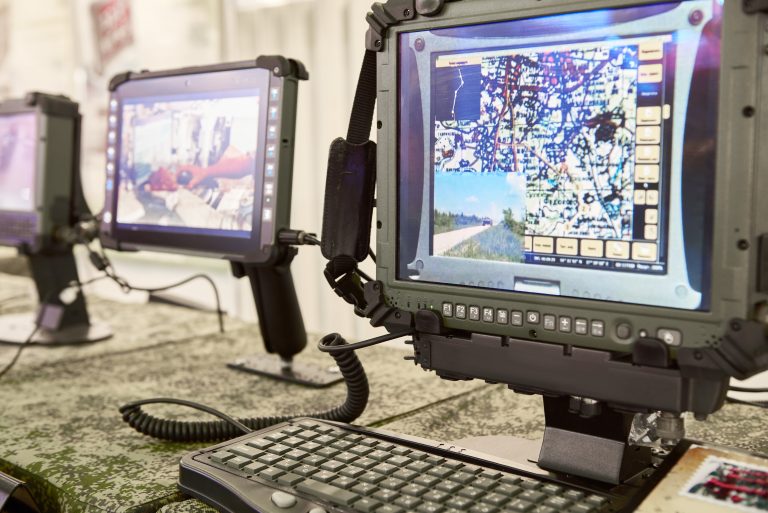
Because of its properties, transparent anti-reflective film is used in many applications for maintaining high-quality images. It serves to improve the sharpness and color fidelity of the screen. It is usually done on medical equipment, car dashboard displays, and other places where clear, accurate imaging is required.
Key Differences Between Anti-Glare and Anti-Reflective
- Functionality: Anti-glare films diffuse light, reducing the visual impact of reflections but not eliminating them. The anti-reflective film, however, significantly reduces reflections, maintaining image clarity.
- Appearance: Anti-glare film has a matte finish, which can slightly reduce the sharpness of displayed images. Anti-reflective films, especially transparent anti-reflective films, maintain a clear view without sacrificing image quality.
- Use Cases: Anti-glare film is ideal for screens in bright or outdoor environments, where diffusing reflections can improve readability. Anti-reflective film is better suited for applications requiring high visual clarity and accuracy, such as medical displays and touchscreens.
- Fingerprints and smudges: The matte texture of anti-glare film hides fingerprints well. Glossy anti-reflective surfaces show smudges more, so they are often paired with an anti-fingerprint (AF) top coat.
- Combined option: Many displays use an AG/AR film that pairs a light matte texture with anti-reflective layers to balance glare control and sharpness.
Anti-Reflective vs Anti-Glare at a Glance
- How it works: Anti-glare scatters reflected light; anti-reflective cancels it with interference layers.
- Finish: Anti-glare is matte; anti-reflective is clear and glossy.
- Image sharpness: Anti-glare can soften fine text slightly; anti-reflective preserves resolution and color.
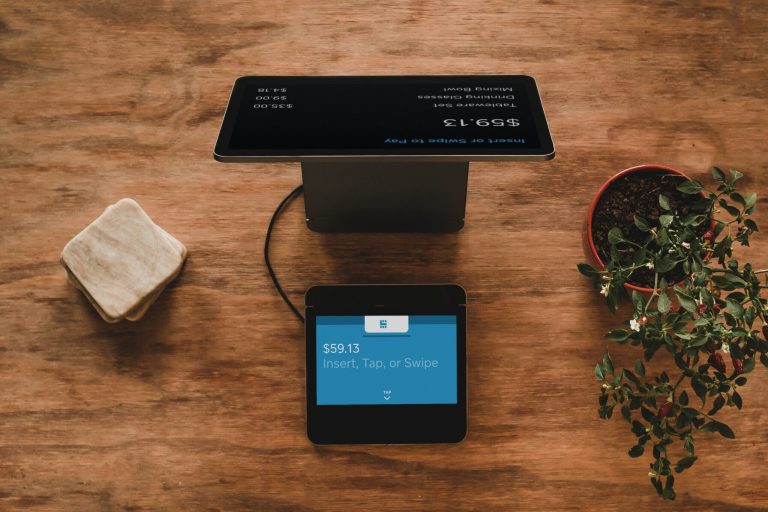
- Best for: Anti-glare suits kiosks, POS and outdoor signage; anti-reflective suits medical, avionics and high-resolution displays.
Choosing the Right Film for Your Needs
When deciding between anti-glare and anti-reflective film, consider the environment in which your display will operate and your priorities for screen clarity. Here’s a simple guideline:
- For Outdoor or High-Brightness Areas: Anti-glare film is often more suitable due to its matte finish, which diffuses harsh reflections and makes displays readable in sunny or brightly lit spaces.
- For Indoor, High-Precision Displays: Anti-reflective film is a better option if clarity and accuracy are critical. Its ability to reduce reflections without distorting the screen’s appearance makes it valuable for medical, industrial, and automotive uses.
Anti-Glare vs Anti-Reflective Screen Protector: Which Is Better?
The same rules apply to screen protectors. An anti-glare screen protector is the better pick for phones, tablets and touchscreens used outdoors or under strong overhead lights, because its matte surface hides glare and fingerprints. An anti-reflective screen protector is better when you want the sharpest picture and accurate color, such as for design work, medical imaging or reading fine text.
Anti-Glare TV Film and Anti-Glare Film for Artwork
Anti-glare TV film is a simple fix for a television that faces a window or lamp. It diffuses reflections so the picture is easier to watch, with a slight loss of sharpness. Anti-glare film for artwork and framed prints works the same way. When viewers need to see fine detail and true color, an anti-reflective option keeps the view clearer.
The Role of Touch Screen Protection Film
In touch-based applications, touch screen protection film with anti-reflective or anti-glare properties can further enhance user experience. This type of film not only protects the screen from scratches and wear but also integrates either anti-glare or anti-reflective technology to improve visibility and usability. For environments where touch screens are subjected to heavy usage, these films can extend screen life and maintain visual quality. For rugged or sunlight-readable displays, either film can be combined with optical bonding to reduce internal reflections behind the cover glass.
Both anti-glare and anti-reflective films have unique advantages. Selecting the right one depends on the specific requirements of your display and its operating environment. For outdoor readability, the anti-glare film works effectively, while for precision-based applications, the anti-reflective film offers clearer visuals. Whether used in commercial settings or high-stakes environments, choosing the correct film ensures optimal performance and a better viewing experience.
Wrapping Up
Choosing between anti-glare and anti-reflective film depends on your display’s environment and purpose. Anti-glare film excels in bright, outdoor settings by diffusing reflections, while anti-reflective film ensures exceptional clarity for precision-based indoor applications. By understanding their unique features and applications, you can select the solution that best enhances your display’s performance, longevity, and usability. Whether for touchscreens, medical equipment, or outdoor kiosks, the right film ensures optimal visibility and durability. For a visual summary, see our anti-glare vs anti-reflective infographic. To see how glare reduction pays off on medical, military and aerospace screens, read about the advantages of anti-reflection film. To specify film for a custom display, explore E3’s anti-reflective film and film lamination services. Contact E3 Displays for more information.