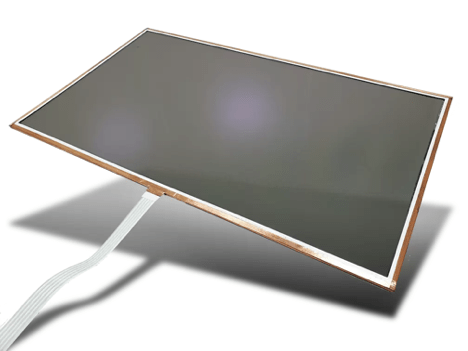

The main anti-reflection film advantages are less glare, higher contrast and better readability in bright light. By cutting the light reflected off a screen’s surface, an AR film lets more of the display’s own light reach the viewer. It also adds a protective layer against scratches and wear, and it works with modern touchscreens without reducing responsiveness.
Screens are essential in various industries, from medical equipment to military control panels. However, glare and reflections can reduce visibility, making screens difficult to read, especially in bright environments. Touch screen protection film with anti-reflective properties helps improve visibility while protecting display surfaces from wear and tear.
Designed to minimize glare, anti-reflective films enhance screen readability and maintain display quality. Transparent anti-reflective films are particularly useful for high-precision applications in industrial, commercial, and aerospace environments. These films reduce reflections while ensuring screens remain clear and functional in any lighting condition.
How Anti-Reflection Film Works
An anti-reflection film is a specialized coating applied to screen surfaces to reduce glare and improve visibility. It minimizes the amount of light reflected off the display, allowing more light to pass through. This enhances screen readability, particularly in outdoor or high ambient light environments. Most AR films use thin optical layers that cause reflected light waves to cancel each other out through destructive interference.
There are different types of anti-reflective films, including:
- Single-layer films: Basic coatings that reduce glare and improve transparency.
- Multi-layer coatings: Designed for enhanced durability and performance.
- Transparent anti-reflective films: Used in industries where clarity and minimal distortion are essential.
These films are often applied to touch-screen protection films, adding an extra layer of protection while maintaining display functionality.
What Is an Anti-Glare Display?
An anti-glare display is a screen treated to reduce the bright reflections of lamps, windows or sunlight on its surface. Anti-glare technology uses either a matte, light-scattering finish or an anti-reflective coating film that cancels reflections. Both approaches improve glare resistance, but anti-reflective treatments keep the image sharper. Learn more in our anti-glare vs anti-reflective comparison.
Key Anti-Reflection Film Advantages and Benefits
Applying touch-screen protection film with anti-reflective coatings offers several advantages:
- Improved Visibility: Reduces glare and reflections for clearer screen readability.
- Touchscreen Compatibility: Maintains screen responsiveness while minimizing fingerprints.
- Enhanced Durability: Protects against dust, scratches, and regular wear.
- Environmental Protection: Shields screens from UV exposure and external conditions.
- Versatility Across Applications: Suitable for medical, military, industrial, and commercial displays.
- Higher Contrast and Color Accuracy: Less reflected ambient light means deeper blacks and truer colors on TFT LCD and OLED panels.
- Better Glare Resistance Without a Matte Finish: Unlike anti-glare textures, AR films reduce glare while keeping fine text and images crisp.
These benefits make anti-reflective films an essential solution for industries that require reliable screen performance.
Do Anti-Reflective Coatings Improve Sunlight Visibility and Power Efficiency?
Yes. Sunlight washes out a screen mainly by reflecting off its surface, which lowers contrast. An anti-reflective coating reduces that reflected light, so the display stays readable in direct sun without relying only on higher brightness. Because the backlight does not have to work as hard to overcome glare, AR film can also help reduce power use and heat, which matters for battery-powered and sealed outdoor devices.
The same principle applies to transparent and flexible LED screens. Anti-glare and anti-reflective coatings improve their sunlight visibility by limiting surface reflections. For the best outdoor performance, AR film is often combined with optical bonding and a high-brightness backlight.
Industries That Rely on Anti-Glare and Anti-Reflective Technology
Many industries integrate touch-screen protection film with anti-reflective coatings to enhance display functionality:
- Medical Equipment: Helps maintain screen clarity for diagnostics and monitoring.
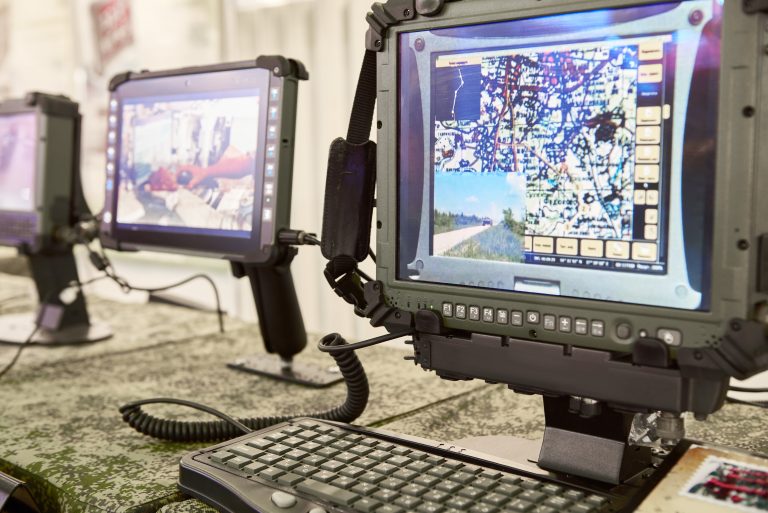
- Aerospace & Defense: Supports visibility in control panels and navigation systems. In cockpits, AR treatments are often used on NVIS-compatible avionics displays so the same screen works in daylight and with night vision goggles.
- Industrial & Commercial Displays: Reduces glare in manufacturing and retail environments.
- Transportation Systems: Ensures screen readability in vehicle displays and GPS systems.
Incorporating transparent anti-reflective films contributes to improved usability and efficiency in these sectors.
How to Choose the Right Anti-Reflection Film for Your Application
Selecting the best touch-screen protection film depends on several factors:
- Application Environment: Indoor or outdoor settings influence the level of glare reduction needed.
- Material Compatibility: Ensuring the film adheres properly to the display surface.
- Durability & Thickness: Some applications require additional scratch resistance or impact protection.
- Transparency & Light Transmission: Balancing clarity with anti-glare effectiveness.
- Touch Technology: Confirming the film works with the PCAP or resistive touch sensor, including gloved or wet-hand use.
Consulting with display specialists helps determine the ideal anti-reflective film for specific industry requirements. To compare film options and sizes for your project, see E3’s anti-reflective film for displays and touchscreens.
Enhancing Screen Visibility with Anti-Reflective Solutions
Reducing glare and improving display performance is essential for industries that depend on high-visibility screens. Touch screen protection films with anti-reflective coatings help maintain screen readability, durability, and usability in various environments.
E3 Displays specializes in custom anti-reflective solutions for medical, military, aerospace, industrial, commercial, and transportation applications. Whether you are building medical displays for clinical lighting or military displays for field use, our Phoenix, AZ engineering team can laminate film on displays from 2.7 inches to more than 100 inches and pair it with optical bonding for sunlight-readable designs. Explore advanced touch-screen protection films with E3 Displays today!