Optical bonding transforms display performance by eliminating the air gap between layers, creating a seamless unit that boosts clarity and durability. This technique addresses common issues like glare and reflections that plague standard screens in demanding environments. Modern displays face challenges from light interference and physical stress, making optical bonding a critical advancement. Engineers and manufacturers turn to this process to meet the needs of industrial, outdoor, and touch-based applications where reliability matters most.
What Is an Optical Bonding Display?
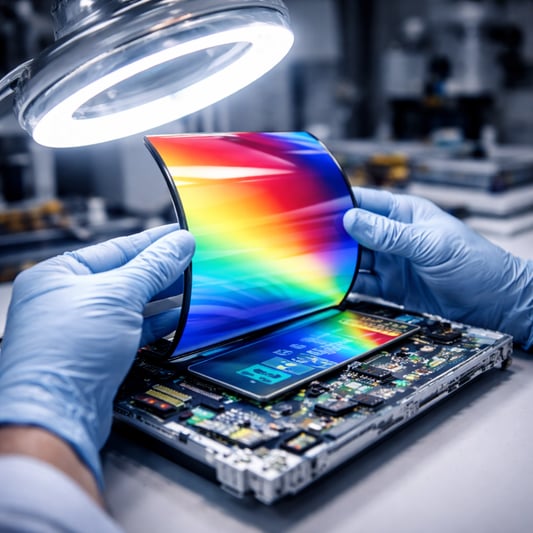
An optical bonding display bonds the cover glass, touch sensor, and LCD or OLED panel directly together using a clear adhesive. This eliminates the air gap found in traditional displays, reducing internal reflections and improving image quality. The result delivers sharper visuals with higher contrast, especially under bright sunlight or artificial lighting. Optical bonding displays excel in environments where standard screens fail due to glare or readability issues, providing a unified optical path that enhances overall legibility. Manufacturers apply this technology across a range of panel sizes, from small handheld devices to large industrial monitors. The bonded assembly maintains structural integrity while optimizing light transmission for consistent performance.
How the Optical Bonding Process Works
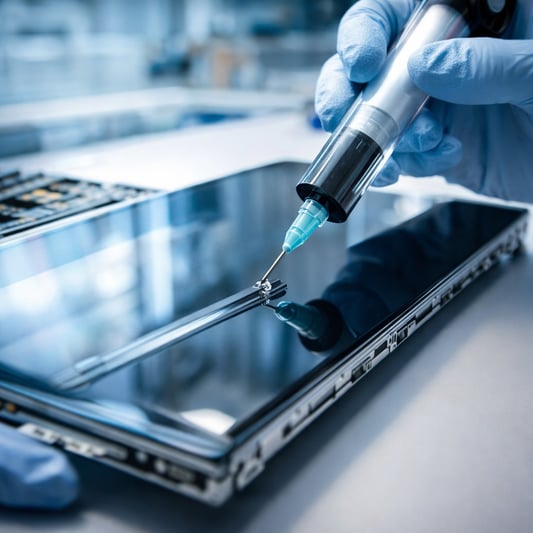
The process starts with meticulous cleaning of the display panel and cover glass in a cleanroom environment to remove dust and particles. A layer of optically clear adhesive, either liquid resin or pre-formed film, precisely fills the space between components. Alignment is performed under vacuum or pressure-controlled conditions to prevent air pockets, followed by curing with UV light, heat, or a combination. Technicians monitor viscosity and flow to ensure even coverage, then conduct final inspections for bubbles, delamination, or optical defects. Post-curing steps include edge sealing and applying an anti-reflective coating. Advanced facilities use automated lamination machines for high-volume production, achieving yields above 95%.
Types of Optical Bonding Materials
Silicone adhesives provide flexibility, high temperature tolerance up to 150°C, and excellent shock absorption without yellowing over decades. Epoxy resins deliver strong mechanical bonds and heat resistance but require precise timing due to rapid curing. Acrylic-based materials support fast UV-curing cycles under 5 minutes, ideal for high-throughput lines. Polyurethane excels in extreme humidity and chemical resistance, though at a premium price. Optically clear adhesives (OCA) in dry bonding use solid films for dust-free application, while optically clear resins (OCR) in wet bonding fill irregular gaps as liquids before hardening. Hybrid formulations combine properties like UV stability and peel strength. Material selection hinges on end-use factors, such as matching thermal expansion coefficients with the glass and panel substrates.
Optical Benefits of Optical Bonding Displays
Optical bonding increases light transmission by matching refractive indices across layers, cutting reflections by up to 99% at each interface. Contrast ratios can improve by factors of 4-10 times, making text and fine details stand out in direct sunlight. Glare reduction reaches levels below 1%, and perceived brightness rises without increasing backlight power by 50% or more. This results in crisper visuals, accurate color reproduction, and wider viewing angles across a range of lighting conditions. Black levels deepen due to minimized light scattering, enhancing HDR content on OLED variants. Sunlight readability metrics, such as transflectance, exceed 10% in bonded units, compared with 3-5% in air-gapped units.
Mechanical and Environmental Benefits
The bonded structure adds rigidity, enhancing resistance to shocks exceeding 50G, continuous vibrations up to 10Grms, and impacts from IK10-rated tests. Dust, moisture rated IP67 or higher, and contaminants cannot enter the sealed gap, preventing fogging, corrosion, or microbial growth. Displays withstand temperature swings from -40°C to 85°C and 95% relative humidity without delamination. The process also reduces overall weight by 10-15% and thickness by 40% by eliminating air space. Surface hardness increases with integrated Gorilla Glass or a similar material, helping resist scratches from daily use. Long-term reliability testing shows an MTBF of over 50,000 hours under harsh conditions.
Thermal Performance Advantages
Heat dissipation improves as the adhesive, with a thermal conductivity of up to 1.5 W/m · K, evenly conducts heat away from the panel. This prevents hotspots that degrade polarizers or shorten LED backlight lifespan by 30-50%. Bonded displays run 5-10°C cooler under full brightness, supporting sustained operation at 1000+ nits without throttling. Coefficient of thermal expansion (CTE) matching reduces stress cracks during cycling. Integrated heat spreaders in some designs further lower junction temperatures, enabling thinner profiles without fans. This suits embedded systems where passive cooling dominates.
Touch Performance Improvements
Optical bonding of touchscreens aligns the sensor precisely with the display pixels, eliminating parallax errors that cause 1-2mm input offsets. Sensitivity rises by 20-30% due to direct force transfer, and responsiveness achieves latencies under 10ms across the surface. Contamination resistance grows, as no air gap traps oils, water, or dirt, affecting projected capacitive sensing. Multi-touch gestures up to 10 points register reliably, even with thin gloves or in wet conditions per IP65 standards. Controller algorithms benefit from stable capacitance profiles, reducing false touches by 90%. Anti-glare properties maintain touch visibility without diffused finger shadows.
Optical Bonding Displays vs Air-Gap Displays
| Feature |
Optical Bonding Display |
Air-Gap Display |
| Reflection/Glare |
Minimal (up to 99% reduction) |
High (5-10% per interface) |
| Readability in Sunlight |
Excellent (contrast >1000:1) |
Poor (washed-out, <300:1) |
| Durability |
Shock/vibration resistant (IP67+) |
Prone to damage, condensation |
| Touch Accuracy |
Precise, no parallax (<0.5mm error) |
Offset errors (1-3mm common) |
| Weight/Thickness |
Lighter (10-15% less), slimmer (40% thinner) |
Bulkier with air space |
| Power Efficiency |
20-50% backlight savings |
Higher consumption for brightness |
| Cost |
Higher upfront, lower TCO |
Cheaper initially, frequent failures |
| Lifespan |
50,000+ hours MTBF |
20,000-30,000 hours of stress |
Air-gap designs suffer multiple Fresnel reflections that scatter 8-12% of light at each gap, whereas optical bonding creates a monolithic optical path. Mechanical weaknesses, such as Newton's rings and delamination, plague air-gapped units over time.
Applications That Benefit Most from Optical Bonding Displays
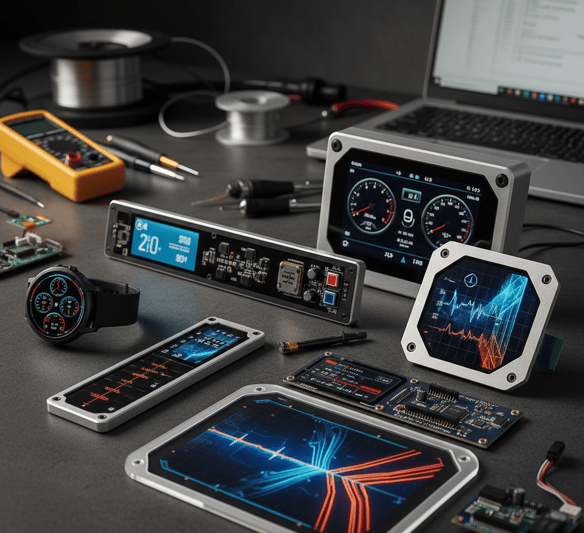
Industrial HMIs and SCADA panels now feature sunlight-readable interfaces for factories with mixed lighting. Automotive dashboards and infotainment endure 10G vibrations and UV exposure without glare. Medical imaging monitors deliver precise diagnostics in sterile ORs and resist disinfectants like bleach. Outdoor kiosks, ATMs, and digital signage maintain 24/7 visibility through rain, dust, and temperatures from -30°C to 70°C. Military C4I systems demand MIL-STD-810 ruggedness against shocks, EMI, and sandstorms. Marine bridge displays prevent saltwater fogging, while avionics cockpits prioritize weight savings and high-altitude performance. Railway signaling and construction equipment HMIs use bonding to ensure vibration-proof operation. Gaming consoles and vending machines benefit in high-traffic public spaces.
Design Considerations When Specifying an Optical Bonding Display
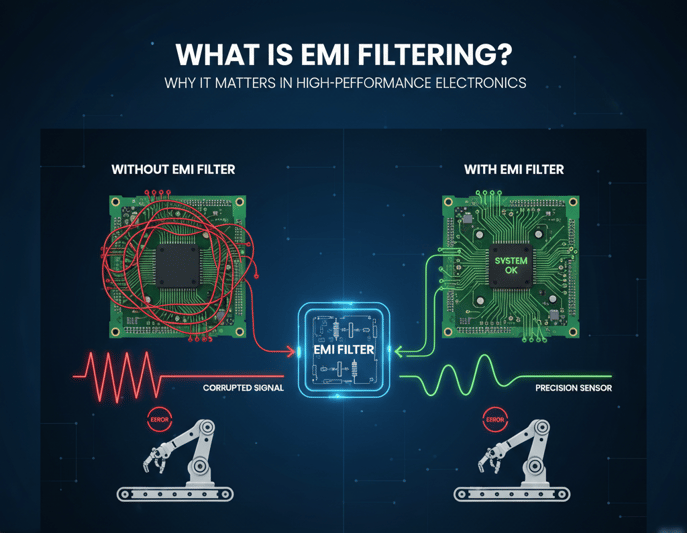
Match the adhesive's CTE to the substrates within 5 ppm/°C to avoid warpage. Consider screen size limits: panels over 24" risk mura from shrinkage differentials during cure. Choose bonding type by volume: dry OCA for automation, wet OCR for curves or thick gaps. Integrate EMI mesh or ITO sensors early, and specify cover glass at 1.1-3mm for MIL-PRF-32156 compliance. Optical bonding services customize AR/AG coatings, polarizers, and heaters. Evaluate supplier cleanroom ISO 5 ratings, lamination pressure (up to 10 bar), and yield data over 90%.
Testing and Validation of Optical Bonding Displays
Drop tests from 1.2m onto steel per IEC 60068-2-31 assess integrity. Thermal cycling (-40°C to 85°C, 1000 cycles) verifies no delamination via ultrasound. Optical metrics include transmission (>95%), haze (<1%), and contrast under 100,000 lux. Environmental chambers run salt fog, UV aging (2000 hours), and vibration (10-2000Hz). Touch validation covers linearity (<1% deviation), glove sensitivity (5mm latex), and wet touch rejection. Accelerated life tests predict 10-year reliability at 40 °C and 50% RH.
Common Misconceptions About Optical Bonding
A common belief holds that optical bonding always raises costs without proportional gains, ignoring TCO reductions from 2-3x longer lifespans. Another claims repairs become impossible, yet laser delamination recovers 80% of panels. Not all adhesives yellow equally; silicone variants maintain clarity over 10 years. Mura defects stem from process controls, not bonding itself; proper vacuum filling prevents 99% of cases. Bonding does not void display warranties when done by certified providers. Touch response actually improves, countering fears of damping.
When Optical Bonding May Not Be Required
Controlled indoor office LCDs with ambient light below 500 lux perform adequately with air gaps. Budget consumer tablets prioritize thin margins over ruggedness. Static non-touch signage or small monochrome displays avoid the premium. Retail POS in shaded stores sees minimal glare issues without bonding. Home entertainment TVs benefit little unless in bright rooms. Legacy embedded systems with fixed indoor mounts skip it for cost.
Why Optical Bonding Improves Total Cost of Ownership
Lifecycle expenses drop through 2-5x extended MTBF, slashing replacements by 70%. Energy efficiency cuts backlight power 20-50%, yielding $100-500 annual savings per unit at scale. Maintenance intervals stretch to 5+ years with self-cleaning surfaces and no fogging. Downtime in industrial apps falls 90%, boosting productivity. Volume pricing from optical bonding services offsets upfront 20-40% premiums within 18 months. Resale value rises 30% for ruggedized gear.
Why Optical Bonding Displays Deliver Lasting Value
Optical bonding displays stand out for unmatched clarity, durability, and performance across demanding applications. E3 Displays specializes in these solutions and offers optical bonding services tailored to industrial and custom needs. Contact E3 Displays today to integrate optical-bonded touchscreens into your projects for superior results. Learn more at e3displays.com.
.png?width=80&height=80&name=image%20(82).png)