
<img src="https://secure.enterprise-inspired52.com/790409.png" style="display:none;">
Which of the following best describes you?
Please describe your current project situation
With your current or new project what is most important for you?
You're all set!

See solution options.

Why Memory LCD Displays Are Ideal for Ultra-Low Power Applications

Why Memory LCD Displays Are Ideal for Ultra-Low Power Applications
Memory in pixel displays addresses a growing challenge in modern electronics: maintaining clear, readable information without continuous power draw. As connected devices move toward longer runtimes, smaller batteries, and energy-harvesting designs, display technology must consume as little power as possible while remaining reliable and readable. Conventional display architectures often struggle to meet these constraints. Memory LCD technology approaches the problem differently. Instead of relying on constant refreshing and backlight power, these displays are designed to hold an image with minimal energy usage. This unique capability makes them a practical choice for applications where power efficiency directly determines product viability.

What Is a Memory LCD Display?

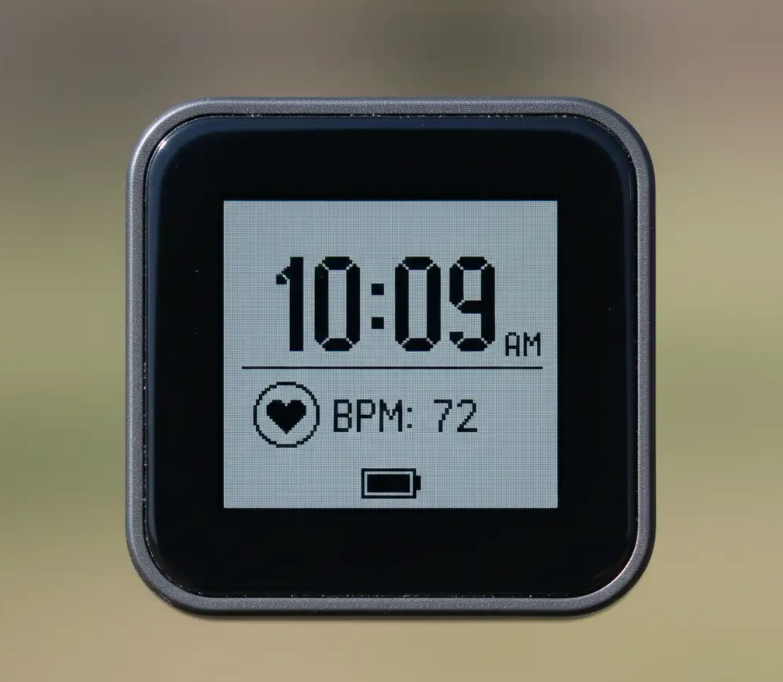
A Memory LCD display uses a memory element built into each pixel, allowing the image state to be retained without continuous refreshing. Once an image is written, the display holds it until a new update is required. Power is primarily consumed only during image changes, not during static display periods.

How Memory-in-Pixel Architecture Reduces Power Consumption

The memory-in-pixel architecture eliminates the need for constant frame refresh cycles. Each pixel stores its own on or off state independently, significantly reducing active power consumption. This design removes one of the largest energy demands found in traditional display technologies.

Memory LCD Displays vs Traditional TFT LCD Displays

Traditional TFT LCDs require continuous refreshing and backlight operation to maintain visibility. Even static images consume power. In contrast, Memory LCD displays consume power only when content changes, offering a clear advantage in ultra-low-power systems where display updates are infrequent.

Always-On Visibility Without Power Penalty

Memory LCD technology supports always-on information displays without the energy cost typically associated with continuous operation. Status indicators, readings, and interface elements remain visible even when the system is in a low-power or sleep state.

Ultra-Low Power Operation in Real-World Applications

Applications such as portable instruments, smart meters, medical wearables, and remote monitoring devices benefit from this ultra-low power behavior. Reduced power demand translates directly into longer battery life and lower maintenance requirements.

Image Stability and Readability in Memory LCD Displays

Memory LCDs provide stable images without flicker. High contrast and reflective operation provide clear visibility under ambient light, reducing or eliminating the need for backlighting in many applications.

Memory LCD Displays in Battery-Powered and Energy-Harvesting Systems

Energy-harvesting systems rely on limited and intermittent power sources. Memory LCD technology aligns well with these constraints by maintaining visibility during power gaps and requiring minimal energy for updates.

Environmental and Reliability Advantages

Lower power consumption reduces thermal stress on components. This contributes to longer system life and improved reliability, particularly in sealed or compact enclosures where heat dissipation is limited.

Interface and System Integration Considerations

Memory LCDs typically use simple serial interfaces, making integration with low-power microcontrollers easier. System designers can further optimize update rates and data transfers to minimize energy usage.

When a Memory LCD Display Is the Best Choice

Memory LCD displays are ideal for static or slowly changing information, limited power availability, and readability under ambient lighting. These conditions are common in industrial sensors, medical devices, and portable equipment.

Limitations of Memory LCD Displays

Despite their efficiency, Memory LCDs are not suited for high-frame-rate video or rich color graphics. Their strengths lie in static or low-update visual information rather than dynamic multimedia content.

Comparing Memory LCD Displays to Other Low-Power Display Technologies

Compared to electrophoretic or OLED-based low-power displays, Memory LCD technology offers faster update speeds and simpler driving electronics while maintaining excellent power efficiency.

Design Best Practices for Ultra-Low Power Display Systems

Optimizing update frequency, minimizing unnecessary refreshes, and pairing the display with low-power processing hardware ensures maximum benefit from Memory LCD technology.

Why Memory LCD Displays Enable Longer-Lasting Devices

The design of ultra-low power displays directly influences product longevity and reliability. E3 Displays integrates Memory LCD solutions tailored for power-sensitive industrial, medical, and embedded systems.  Partnering with E3 Displays ensures that each low power LCD display is engineered to maximize efficiency while maintaining clarity and long-term performance. Contact us today!