
What Is a PCAP Touch Screen? Understanding Multi-Touch Accuracy, Durability, and Signal Processing
A PCT touch screen has become a defining interface technology across industrial, medical, and rugged electronic systems. As devices continue to demand precise input, long operational life, and resistance to harsh conditions, projected capacitive touch technology stands out for its reliability and performance. Unlike earlier touch solutions, PCAP technology supports advanced gesture recognition while maintaining clarity and responsiveness across demanding use cases. Beyond user interaction, PCAP systems are engineered with sophisticated sensing layers and signal processing algorithms that prioritize accuracy and durability. From factory automation panels to mission-critical equipment, PCAP touchscreens ensure consistent operation without compromising structural integrity or optical performance.
What Is a PCAP Touch Screen?
A PCAP touchscreen uses projected capacitive technology to detect touch by measuring changes in an electrostatic field. A transparent conductive grid, typically made of indium tin oxide (ITO), is embedded within a glass substrate. When a finger or conductive stylus approaches the surface, it alters the local capacitance, allowing the system to pinpoint touch location with high precision. A PCAP touch panel differs from surface capacitive solutions by projecting the sensing field through protective cover glass. This design enables accurate touch detection even with thicker glass, gloves, or protective overlays.How PCAP Touch Technology Works
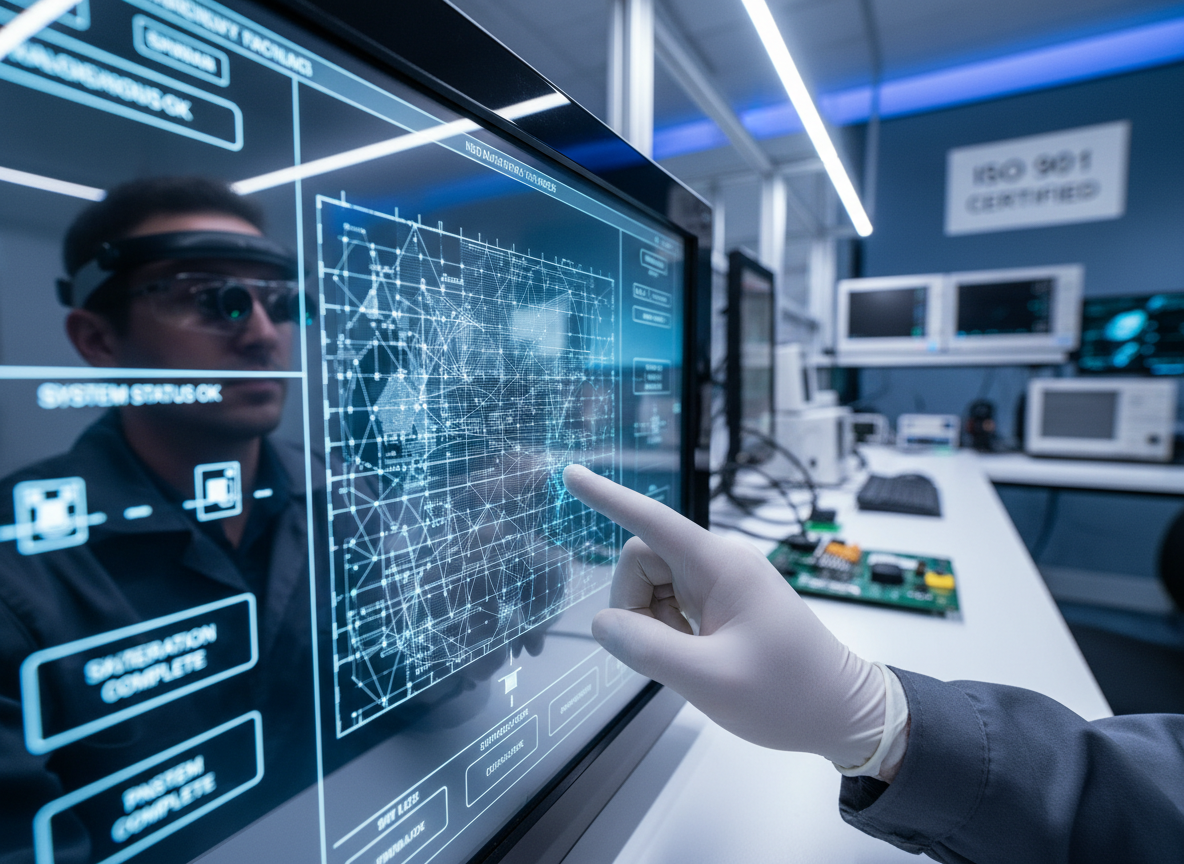
PCAP technology relies on a matrix of transmit and receive electrodes arranged in rows and columns. A controller continuously scans the grid, measuring capacitance changes at each intersection. These measurements are processed in real time to determine touch position, movement, and gesture input. Because sensing occurs beneath the surface, PCAP systems maintain responsiveness while allowing robust mechanical protection.Understanding Multi-Touch Accuracy in PCAP Touch Screens
Multi-touch accuracy is a core advantage of PCAP technology. The electrode grid supports simultaneous detection of multiple touch points without signal ambiguity. This enables precise gestures such as pinch-to-zoom, rotation, and multi-finger control. High-resolution sensing grids and optimized controller firmware ensure minimal latency and consistent accuracy across the display surface.Signal Processing in PCAP Touch Screens
Signal processing plays a critical role in PCAP performance. Raw capacitance data is filtered to remove electrical noise, moisture interference, and environmental distortion. Advanced algorithms differentiate between intentional touch input and false triggers caused by vibration or electromagnetic interference. This intelligent processing supports stable operation in electrically noisy environments.Durability Advantages of PCAP Touch Screens
A PCAP touch screen is inherently durable due to its solid glass construction. With no flexible layers or pressure-sensitive membranes, PCAP panels resist wear, scratches, and repeated use. Chemically strengthened glass further enhances impact resistance. The sealed surface design also improves resistance to dust, liquids, and cleaning agents.PCAP Touch Screens in Harsh and Rugged Environments
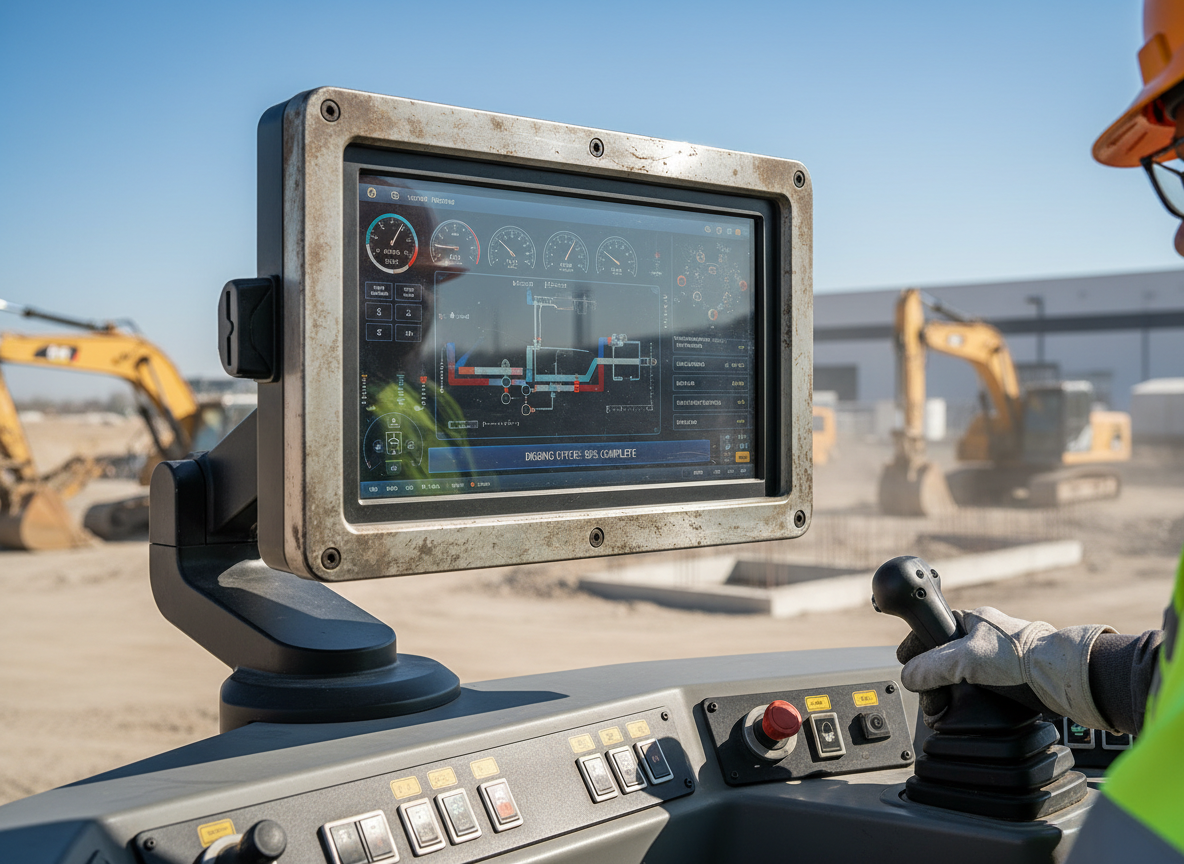
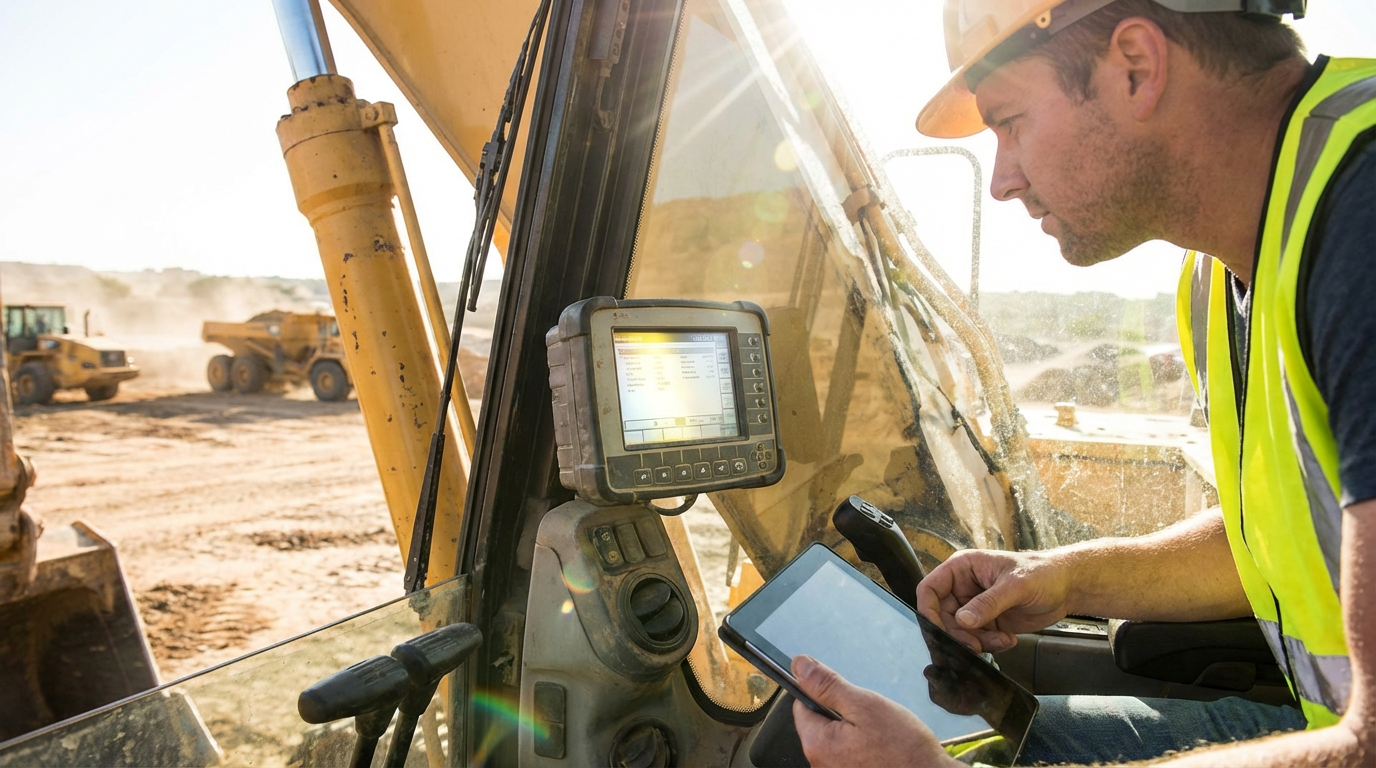
PCAP technology performs reliably in environments involving temperature extremes, moisture exposure, and mechanical stress. Industrial-grade PCAP panels are often paired with EMI shielding, optical bonding, and wide-temperature controllers to ensure stable operation in outdoor or mission-critical environments.PCAP Touch Screen Sensitivity Tuning and Calibration
Sensitivity tuning allows PCAP systems to adapt to gloves, thicker cover glass, or environmental conditions. Calibration parameters such as gain, threshold levels, and scan frequency are adjusted during integration to optimize responsiveness without increasing false touches.PCAP Touch Screens vs Resistive Touch Screens
Compared to resistive technology, PCAP offers superior optical clarity, longer service life, and true multi-touch capability. Resistive screens rely on physical pressure and flexible layers, which degrade over time. PCAP systems maintain performance consistency across millions of touch cycles.Integration Considerations for PCAP Touch Screens
Successful integration involves selecting the controller, ensuring interface compatibility, and aligning the mechanical components with the display module. Optical bonding, EMI control, and enclosure grounding must be addressed early in the design process to ensure optimal performance.Common Challenges in PCAP Touch Screen Design
Challenges include tuning for gloved input, mitigating electrical noise, and balancing sensitivity with durability. These factors require close coordination between display, controller, and enclosure design.Applications That Benefit Most from PCAP Touch Screens
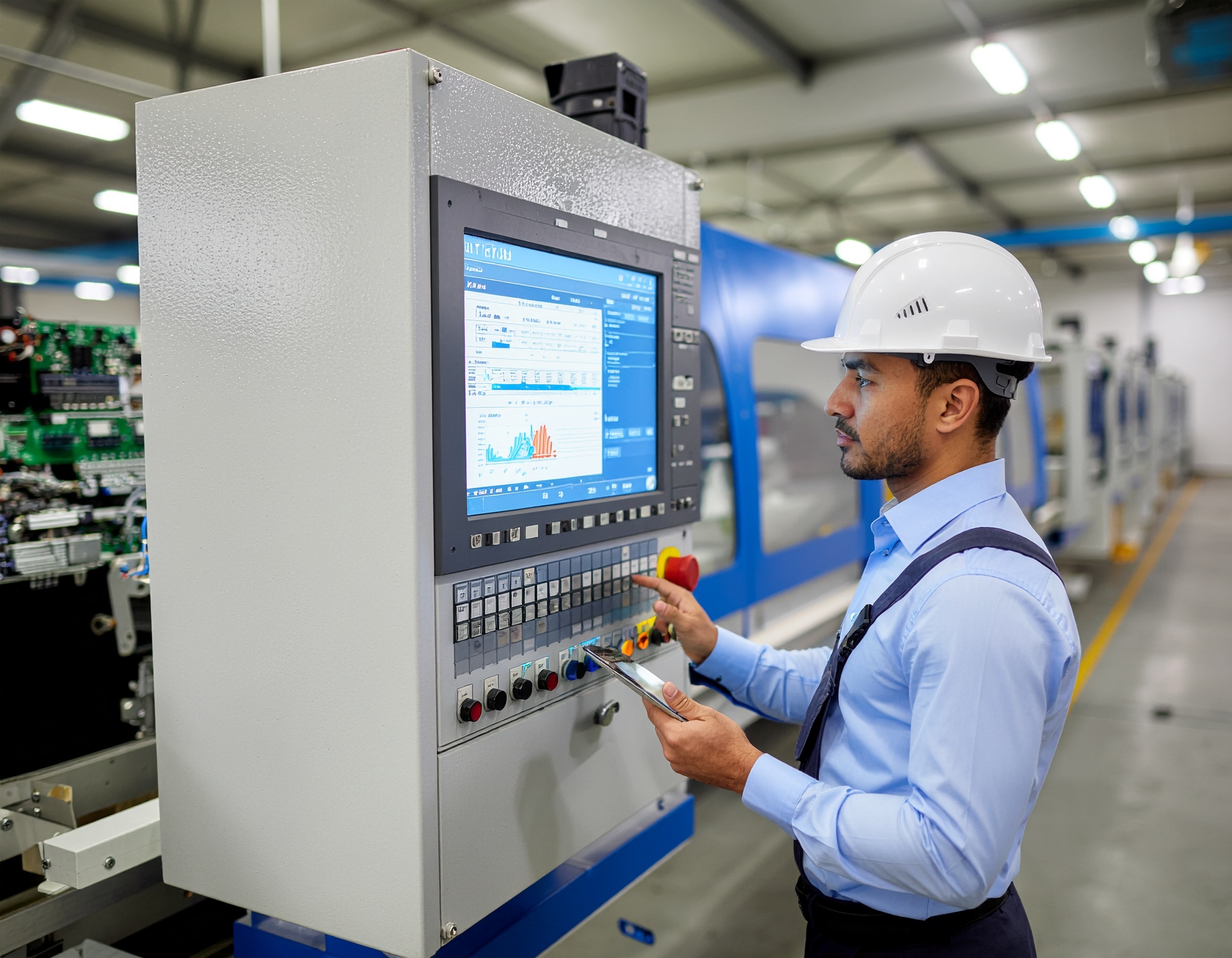
PCAP technology is widely used in medical devices, industrial HMIs, transportation systems, aerospace controls, and outdoor kiosks. These applications demand reliability, precision, and long-term availability.Why PCAP Touch Screens Are Preferred for Long-Lifecycle Products
Long-lifecycle products benefit from PCAP’s durability, consistent performance, and scalability. Firmware updates and controller flexibility support future-proof designs without requiring hardware changes.Choosing the Right PCAP Touch Screen for Your Application
Selecting the right PCAP solution involves balancing touch performance, environmental resilience, and system integration requirements. With extensive experience in rugged display engineering, E3 Displays designs and integrates PCAP solutions optimized for demanding applications. Partnering with proven PCAP touch screen manufacturers ensures reliable performance across the full product lifecycle. Connect with E3 Displays to develop a PCAP touch solution tailored to precise operational needs.Recent Blogs
-
January 07, 2026