
<img src="https://secure.enterprise-inspired52.com/790409.png" style="display:none;">
Which of the following best describes you?
Please describe your current project situation
With your current or new project what is most important for you?
You're all set!

See solution options.

What Defines a Wide Temperature Display? Understanding Operating vs Storage Temperature Limits

What Defines a Wide Temperature Display? Understanding Operating vs Storage Temperature Limits
A large temperature display is engineered to remain functional even when environmental conditions exceed the limits of standard screens. As electronic systems move into outdoor, mobile, industrial, and defense environments, temperature exposure becomes a defining performance factor rather than a secondary consideration. Displays that perform flawlessly in climate-controlled settings often struggle when exposed to cold starts, heat soak, or rapid temperature shifts. A single specification does not define wide temperature capability. It reflects how materials, electronics, and touch interfaces respond under sustained thermal stress. Understanding the difference between operating and storage temperature limits is essential for avoiding display failures, inconsistent performance, and costly redesigns.

What Is a Wide Temperature Display?

Wide temperature displays are designed to operate reliably across extended temperature ranges without loss of functionality, optical quality, or response time. These displays use specialized components, material selections, and thermal management strategies to ensure stable performance in harsh environments.

Operating Temperature vs Storage Temperature: Key Definitions

Operating temperature defines the range within which a display is guaranteed to function normally while powered on. Storage temperature refers to the conditions a display can withstand while powered off. Both values matter, but they serve very different purposes in system design.

Why Operating Temperature Limits Are More Critical Than Storage Limits

Operating temperature limits directly impact real-world performance. A display may survive cold storage, yet fail to respond, refresh, or illuminate properly when powered on outside its rated operating range. System reliability depends on maintaining performance during active use, not just survivability during transport or downtime.

Typical Temperature Ranges Explained

Standard commercial displays often operate between 0°C and 50°C. Wide temperature designs commonly extend this range to -20°C to 70°C or beyond. More demanding applications may require operation at even lower or higher extremes, depending on environmental exposure.

How Displays Behave Outside Their Operating Temperature Range

Outside rated operating limits, displays may exhibit slow response times, dim backlighting, color distortion, or complete failure to initialize. Liquid crystal viscosity changes at low temperatures, while excessive heat can degrade driver electronics and optical films.

Key Display Components Affected by Temperature

Temperature impacts multiple components, including liquid crystals, polarizers, backlights, adhesives, and controller electronics. Each element reacts differently to thermal stress, making holistic design essential for reliable wide temperature operation.

Wide Temperature Displays vs Rugged Displays

Ruggedization and temperature tolerance are related but not identical. A rugged display may withstand vibration and impact but still fail under thermal extremes. Wide temperature performance specifically addresses material behavior and electronic stability across temperature ranges.

Touch Screen Performance in Wide Temperature Displays

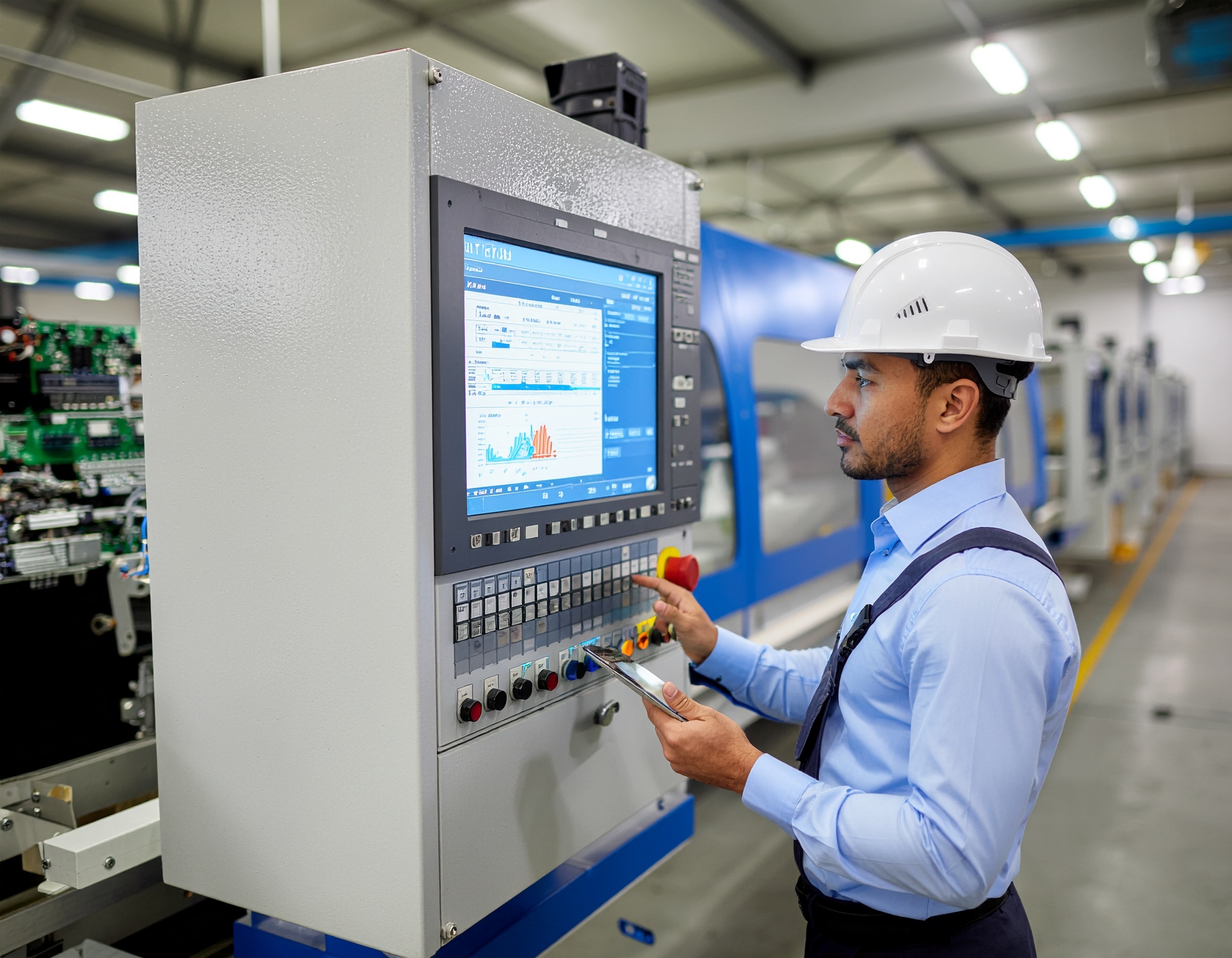
Touch interfaces must remain accurate despite temperature-induced changes in material properties. An extended temperature touch screen is tuned to maintain sensitivity and signal stability in both cold and hot conditions, preventing missed inputs or false touches.

Thermal Cycling and Long-Term Reliability

Repeated heating and cooling cycles introduce mechanical stress due to expansion and contraction. Over time, this stress can weaken bonds, distort layers, and reduce lifespan. Wide temperature displays are engineered to withstand thermal cycling without degradation.

Testing Standards for Wide Temperature Displays

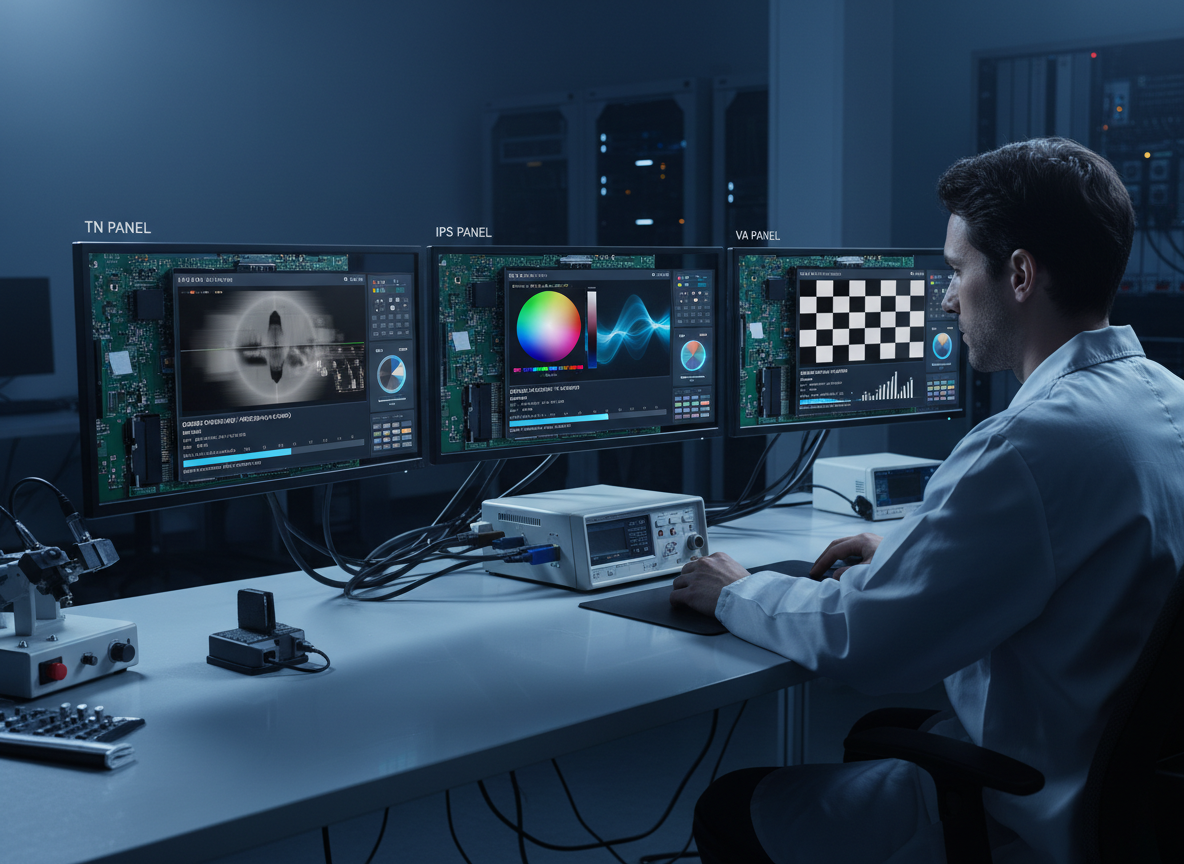
Validation includes thermal soak testing, rapid temperature transitions, and powered operation at temperature extremes. These tests verify that performance remains consistent throughout the specified operating range.

Applications That Require Wide Temperature Displays

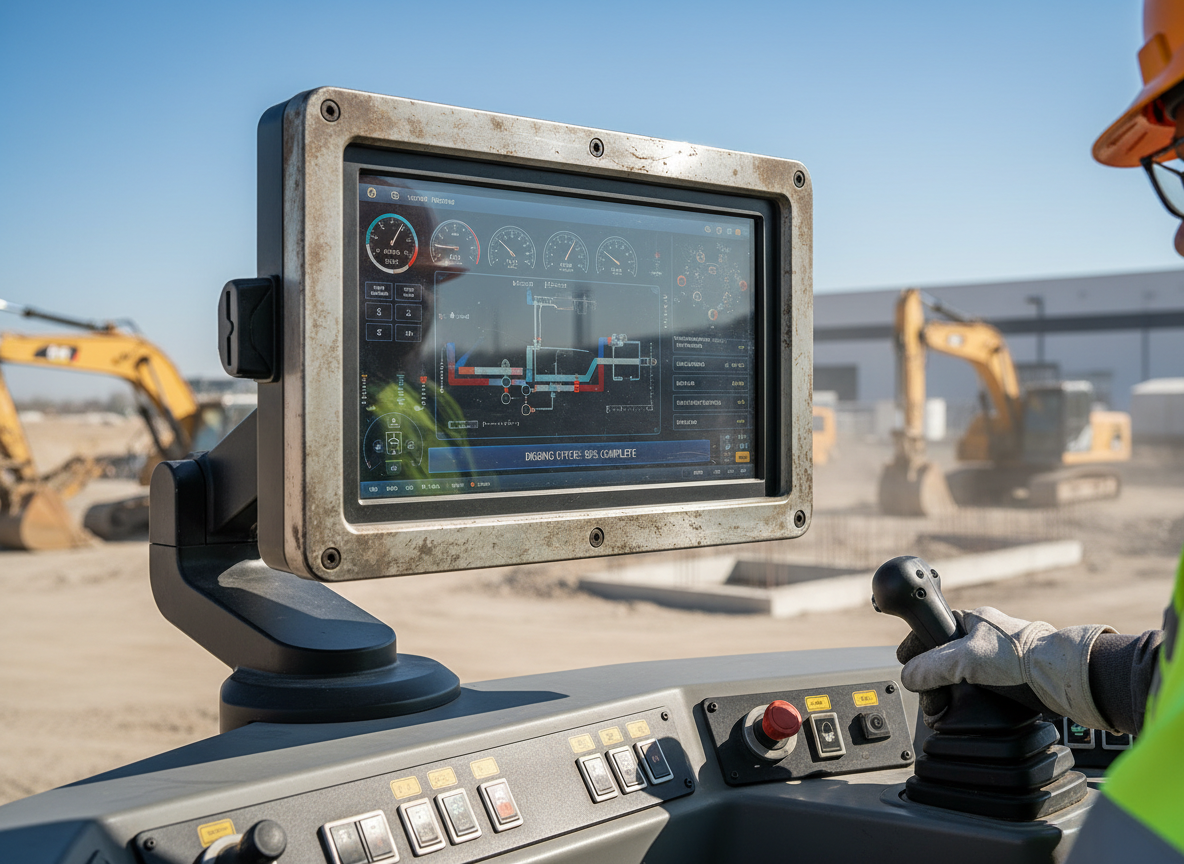
Outdoor kiosks, transportation systems, industrial equipment, medical devices, and defense platforms rely on displays that function across unpredictable temperature conditions. Failure in these environments carries operational and safety risks.

Common Specification Mistakes OEMs Make

A common mistake is relying on storage temperature ratings when operating limits are required. Another is assuming that rugged construction automatically guarantees wide-temperature performance.

How to Specify the Right Wide Temperature Display

Proper specification involves defining real operating conditions, duty cycles, and exposure duration. Component selection and system integration must align with these requirements from the earliest design stages.

Why Wide Temperature Displays Reduce Field Failures

Displays engineered for wide temperature operation maintain performance consistency, reducing service calls, downtime, and premature replacements in the field.

Understanding Temperature Limits Prevents Costly Design Errors

A clear understanding of operating and storage temperature limits is essential for reliable display integration. E3 Displays designs wide temperature solutions that perform consistently across demanding environments and long lifecycles.  Partnering with E3 Displays helps ensure every extreme temperature touch screen is engineered to withstand real-world thermal challenges with confidence. Contact us today!