Industrial environments demand display technologies that maintain clarity, durability, and long-term reliability. With the rising use of advanced HMI solutions across sectors such as manufacturing, medical devices, transportation, and outdoor equipment, choosing the right display is a critical engineering decision. TFT displays remain a leading option in these applications, especially where brightness and ruggedness matter.
Both TFT LCD and OLED technologies offer strong performance, but each behaves differently under harsh conditions. A closer look at their characteristics helps clarify which performs better across industrial and outdoor environments.
What are TFT LCD and OLED Displays?
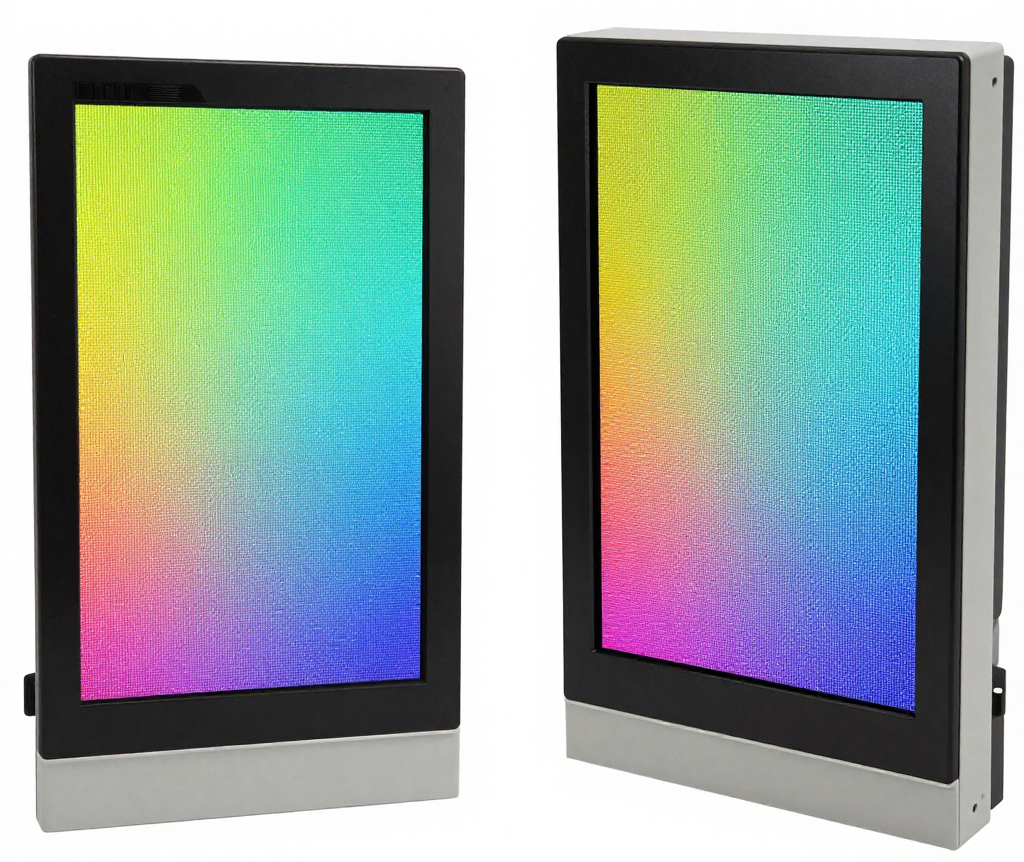
A TFT LCD display uses thin-film transistors to control each pixel, delivering stable brightness, long operating life, and excellent daylight visibility. These displays handle high luminance levels, wide temperature ranges, and continuous operation without degradation. Because of this, TFT display manufacturers continue to advance enhancements such as optical bonding, anti-reflective coatings, and rugged touch integration to meet industrial requirements.
OLED displays generate light at the pixel level, enabling deep blacks, wide viewing angles, and strong color contrast. Since they do not require a backlight, they can be built thinner and lighter, making them attractive for compact industrial devices. However, their organic materials can be sensitive to long-term exposure to sunlight, temperature extremes, and static images.
Brightness and Sunlight Readability: The Key Industrial Challenge
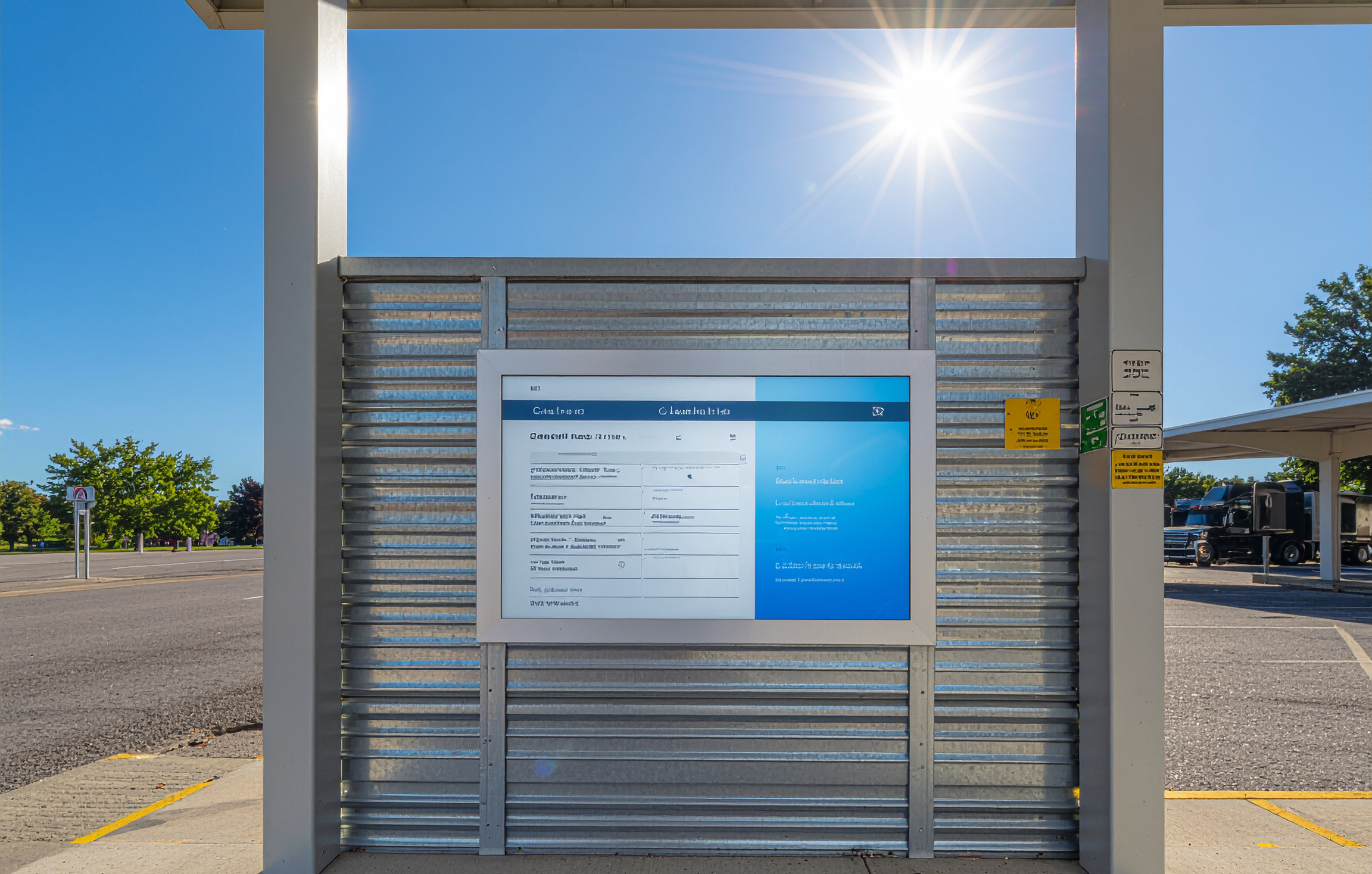
High-brightness readability is often the top requirement for outdoor applications. TFT LCD displays can achieve 1,000 to 2,500 nits and maintain consistent visibility under direct sunlight.
OLED displays, while vivid indoors, typically reach lower brightness levels and can struggle with glare and washout in outdoor conditions.
Durability and Environmental Resistance
TFT displays are more reliable at handling shock, vibration, humidity, and temperature fluctuations than OLED displays are. The inorganic LCD structure ensures stability for mission-critical devices, including medical monitors, rugged handhelds, and outdoor kiosks. OLED displays are thinner but more vulnerable to temperature stress and moisture infiltration.
Power Consumption and Efficiency
OLED consumes less power for darker content because each pixel emits its own light. TFT LCDs may use more energy due to their backlights, but modern LED backlights and adaptive brightness settings significantly reduce energy consumption in industrial applications.
Image Longevity and Burn-In Risk
OLED displays can experience image retention and burn-in when static graphics remain onscreen for long periods—common in industrial control equipment. TFT LCDs do not face this challenge and maintain consistent image quality throughout their lifespan.
Customization Capabilities and Form Factors
TFT displays offer flexible customization options, including high-brightness modules, rugged touchscreens, enhanced coatings, transflective layers, and various sizes. OLED displays provide design freedom for thin, lightweight builds but offer fewer ruggedization options.
Cost and Availability Considerations
TFT LCD displays benefit from wide availability, mature supply chains, and cost-efficiency. OLED displays are typically more expensive, especially for larger panels tailored to industrial applications.
When to Choose TFT LCD and OLED Displays
TFT LCD displays are ideal for:
- Outdoor equipment and kiosks
- Industrial HMIs
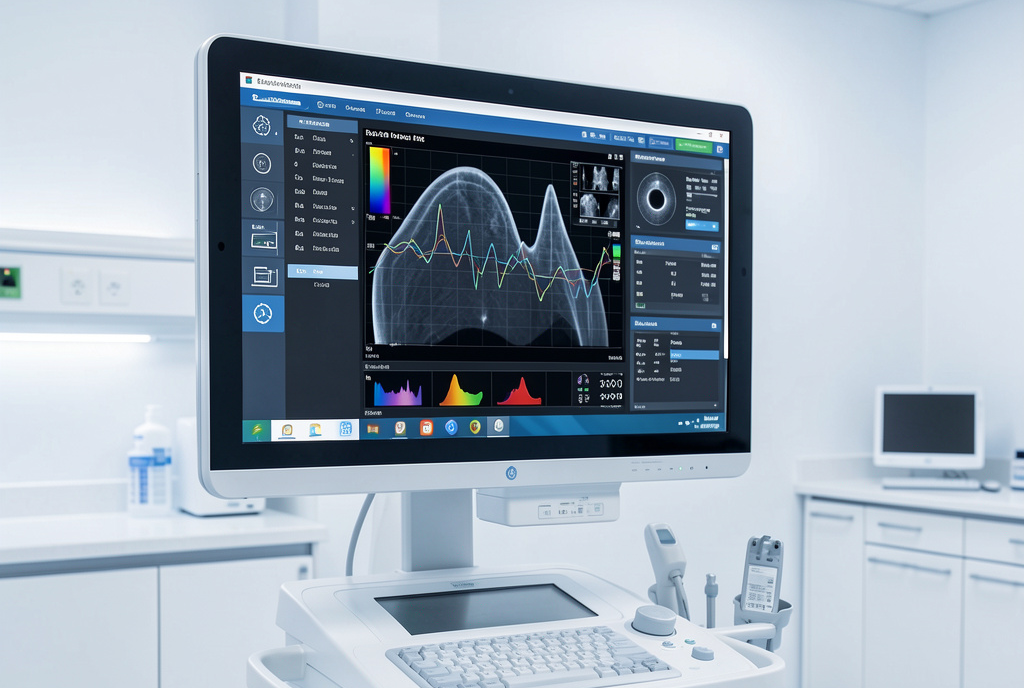
- Medical devices requiring stable, long-term imaging
- Any application using static icons or dashboards
Their durability and sunlight readability make them a strong fit for demanding environments.
OLED displays work well for:
- Compact handheld devices
- Equipment needing high contrast or deep blacks
- Indoor environments with controlled lighting
They excel in visual quality under low environmental stress.
How E3 Displays Engineers the Best of Both Technologies
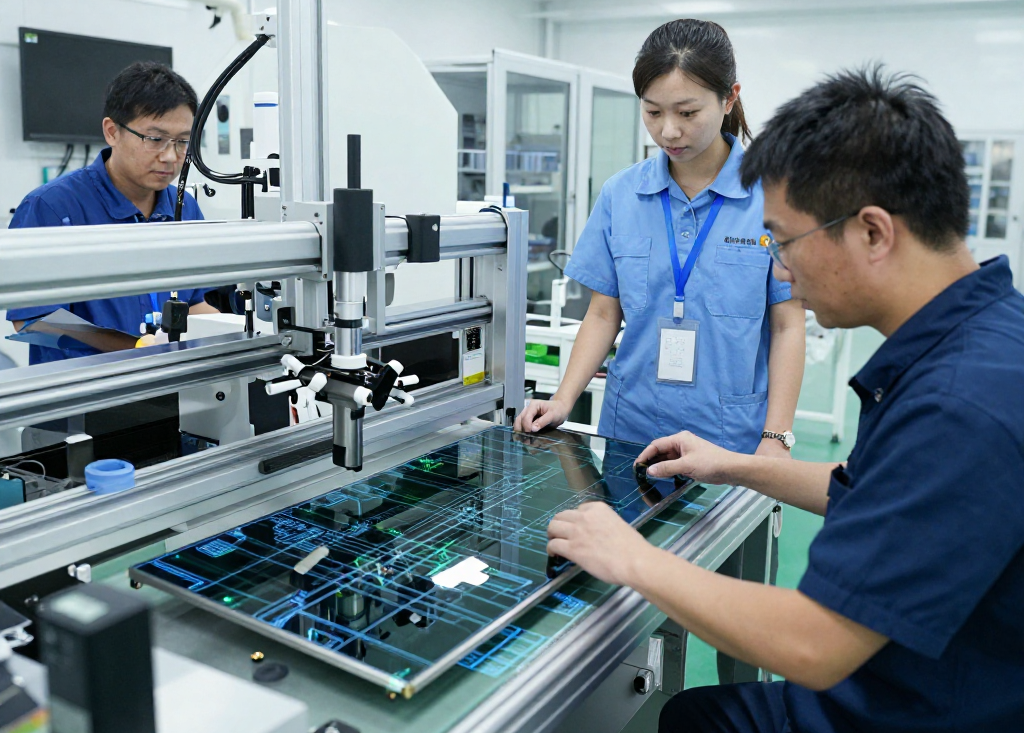
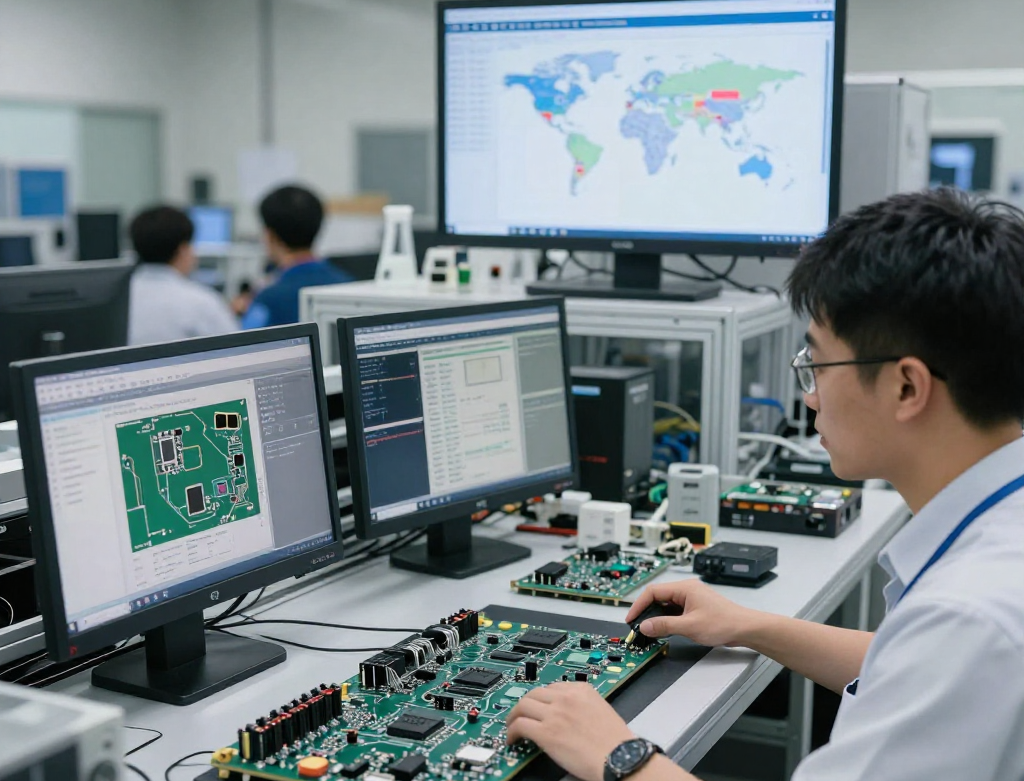
E3 Displays designs rugged, high-performance visual systems tailored to industrial and outdoor environments. The engineering team integrates enhancements such as optical bonding, EMI shielding, high-brightness backlights, rugged touch interfaces, and custom form factors—delivering optimized solutions across both TFT LCD and OLED technologies.
Matching Display Technology to Application Demands
Selecting between TFT LCD and OLED depends on operational conditions and performance expectations. TFT displays offer unmatched durability and sunlight clarity, while OLED delivers outstanding contrast in compact, controlled environments. For engineered display solutions backed by advanced customization and precision performance, E3 Displays collaborates with leading TFT display suppliers to deliver technology built to excel. Connect with E3 Displays to customize the right display technology for upcoming programs or product development needs.


.png?width=2500&height=1734&name=Blog%231%20(2).png)
 February 27, 2026