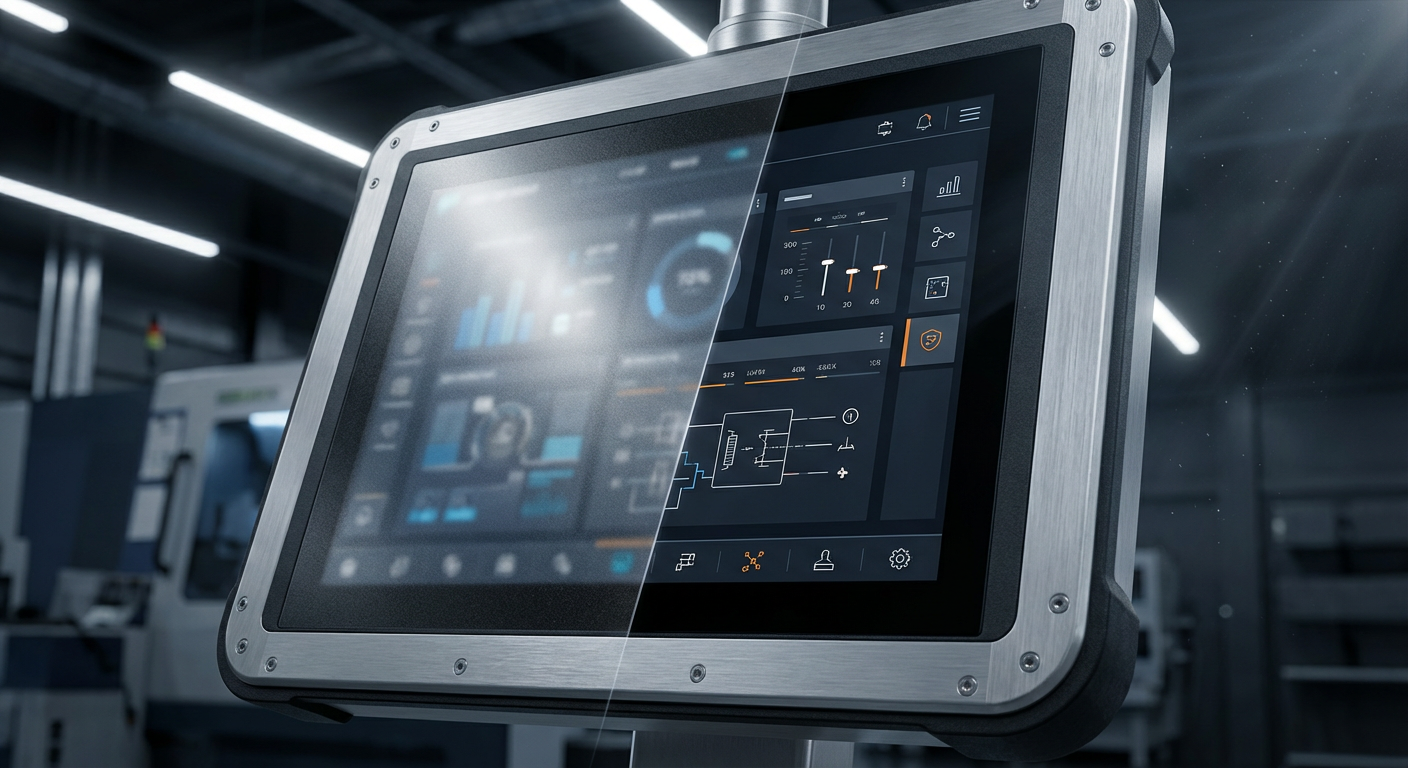
Selecting the right TFT LCD affects product reliability, compliance, and lifecycle cost. Commercial and industrial equipment depends on stable image quality, long-term availability, and predictable integration.
A structured evaluation process is essential for businesses that need to buy TFT LCD displays in the USA. It helps reduce the risk of redesign and supply disruption. The following guide outlines what OEMs and engineers should assess before committing to a supplier.
What Is a TFT LCD Display?
A TFT LCD display uses thin-film transistors to control individual pixels on a liquid crystal panel. Each pixel receives dedicated switching control. This structure improves image sharpness, color stability, and refresh rate performance compared to passive-matrix LCDs.
TFT displays are widely used in:
- Industrial HMIs
- Medical monitoring equipment
- Transportation interfaces
- Test and measurement systems
- Rugged outdoor devices
Modern custom TFT LCD displays may include high-brightness backlights, wide viewing angles, optical bonding, and integrated touch panels.
Key Technical Factors When Buying TFT LCD Displays
When evaluating display suppliers in the United States, technical review must extend beyond screen size and resolution.
Key parameters include:
- Brightness: Determines readability in high-ambient or outdoor conditions
- Viewing Angle: Critical for multi-operator or angled installations
- Operating Temperature Range: Essential for industrial and outdoor environments
- Interface Compatibility: LVDS, MIPI, RGB, or HDMI alignment with system architecture
- Backlight Lifespan: Influences maintenance cycles and lifecycle cost
- Touch Integration: PCAP or resistive alignment with application requirements
Misalignment among electrical, optical, and mechanical factors can delay the redesign and increase costs.
Supply Chain Considerations When Buying in the USA
Supply stability plays a major role in selecting industrial display modules. Industrial products often require availability for five to ten years or longer.
Important supply factors include:
- Lifecycle guarantees
- Revision control management
- Change notification procedures
- Domestic engineering support
- Inventory planning and forecasting
Businesses that buy TFT LCD displays in the USA benefit from faster communication and better project coordination. Domestic engineering access simplifies troubleshooting and customization discussions.
Custom vs Standard TFT LCD Displays
Standard TFT LCDs offer shorter lead times and lower upfront costs. They suit applications with flexible mechanical and optical requirements.
Custom TFT LCDs are more appropriate when:
- Enclosure dimensions are fixed
- Brightness must exceed typical commercial levels
- Specialized cover glass or bonding is required
- Long-term supply stability is critical
Custom development supports optimized integration. It reduces compromise in optical clarity, mechanical fit, and environmental durability.
Common Mistakes Buyers Make
Industrial buyers sometimes prioritize price over lifecycle cost. This decision can introduce hidden risks.
Frequent mistakes include:
- Selecting consumer-grade panels for industrial duty cycles
- Overlooking backlight degradation rates
- Ignoring thermal limits during enclosure design
- Failing to plan for component obsolescence
- Treating touch and display as separate design phases
A structured evaluation framework prevents these issues.
Final Considerations Before Making a Purchase
Selecting an appropriate display module requires balancing specifications, regulatory alignment, and long-term supply planning. Performance alone does not determine suitability. Integration, lifecycle management, and vendor support affect total system reliability.
For organizations developing industrial or commercial equipment, collaborating with an experienced engineering partner supports structured evaluation and integration planning. Contact E3 Displays to learn more about custom TFT LCDs and find available integration options.





 March 16, 2026