Industrial, medical, transportation, and defense technologies rely heavily on displays that do far more than present information. These systems demand precise performance, long-term durability, and seamless mechanical integration—requirements that frequently exceed the capabilities of standard modules. This is where a custom LCD display becomes essential, offering design and engineering freedom that supports mission-critical reliability.
As product designs grow more specialized and environmental conditions become more challenging, the limitations of off-the-shelf displays quickly surface. Customized solutions allow OEMs and engineering teams to specify the exact optical, mechanical, electrical, and environmental characteristics required to achieve consistent, high-quality performance over the whole product lifecycle.
What Defines a Custom LCD Screen?
Custom LCD screens are engineered to match specific technical, environmental, and design requirements. Every element, backlight configuration, touchscreen type, interface, coatings, brightness, and even the mechanical footprint, can be modified. This ensures optimal performance in mission-critical use cases.
The Limitations of Standard Off-the-Shelf Displays
Off-the-shelf displays are produced for mass markets with fixed configurations. These modules often lack:
- Sufficient brightness for sunlight environments
- Durable construction for harsh conditions
- Custom touch integration
- Specialized mounting or bezel dimensions
- Long product lifecycles
Because of their fixed specifications, they may introduce performance bottlenecks or integration challenges.
Engineering Flexibility: Tailoring Performance to Application Needs
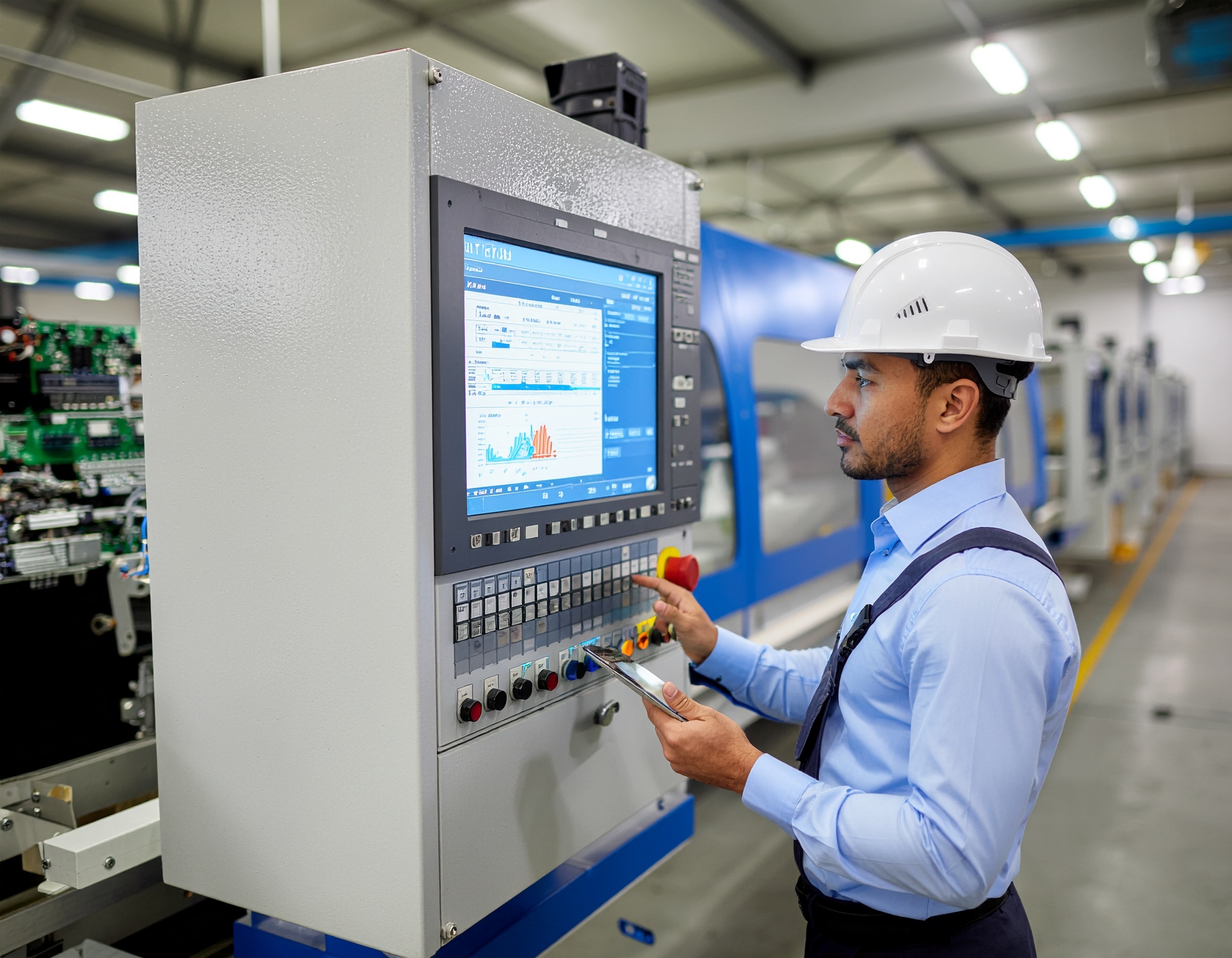
A custom LCD display allows adjustments to color gamut, contrast ratio, response times, viewing angles, and electronic interfaces. This flexibility is essential for industrial machinery, medical devices, avionics systems, and outdoor terminals, where precise performance is critical.
Ruggedization and Environmental Protection
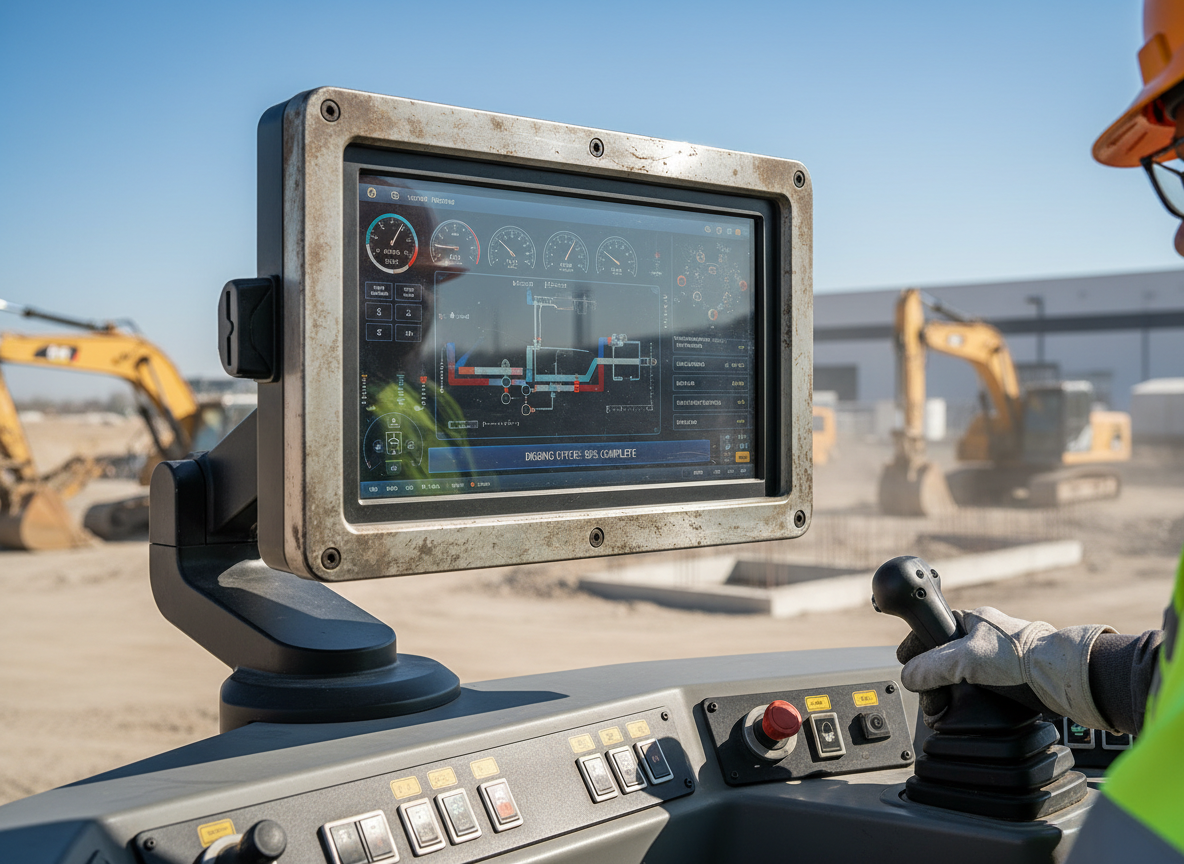
Industrial and outdoor applications demand protection from shock, vibration, water ingress, chemicals, and extreme temperatures. Custom LCD screens can include:
- Strengthened cover glass
- Optical bonding
- IP sealing
- Anti-glare or anti-reflective coatings
- Extended temperature components
These enhancements provide reliable displays in rigorous environments.
Touch Integration and Interface Options
Custom configurations support a wide range of touch options, including:
- Projected capacitive (PCAP)
- Resistive
- Glove or wet-touch support
- Multi-touch configurations
Interface choices such as LVDS, MIPI, HDMI, SPI, and USB can also be tailored to system requirements.
Brightness, Backlighting, and Sunlight Readability
High-brightness backlights, advanced LED drivers, and optical treatments help ensure custom LCD displays remain clear in bright or outdoor settings. Optical bonding further improves contrast and reduces internal reflections.
Power Efficiency and Longevity
Custom displays can be optimized for energy-saving performance with LED backlight enhancements, efficient drivers, and long-life components. These modifications help extend the device's operating lifespan.
Custom Form Factors and Mechanical Integration
Mechanical freedom is one of the most substantial advantages of customization. Designs can be built around unique housings, bezels, or mounting frames—allowing perfect alignment with the final product structure.
Quality Assurance and Compliance Testing
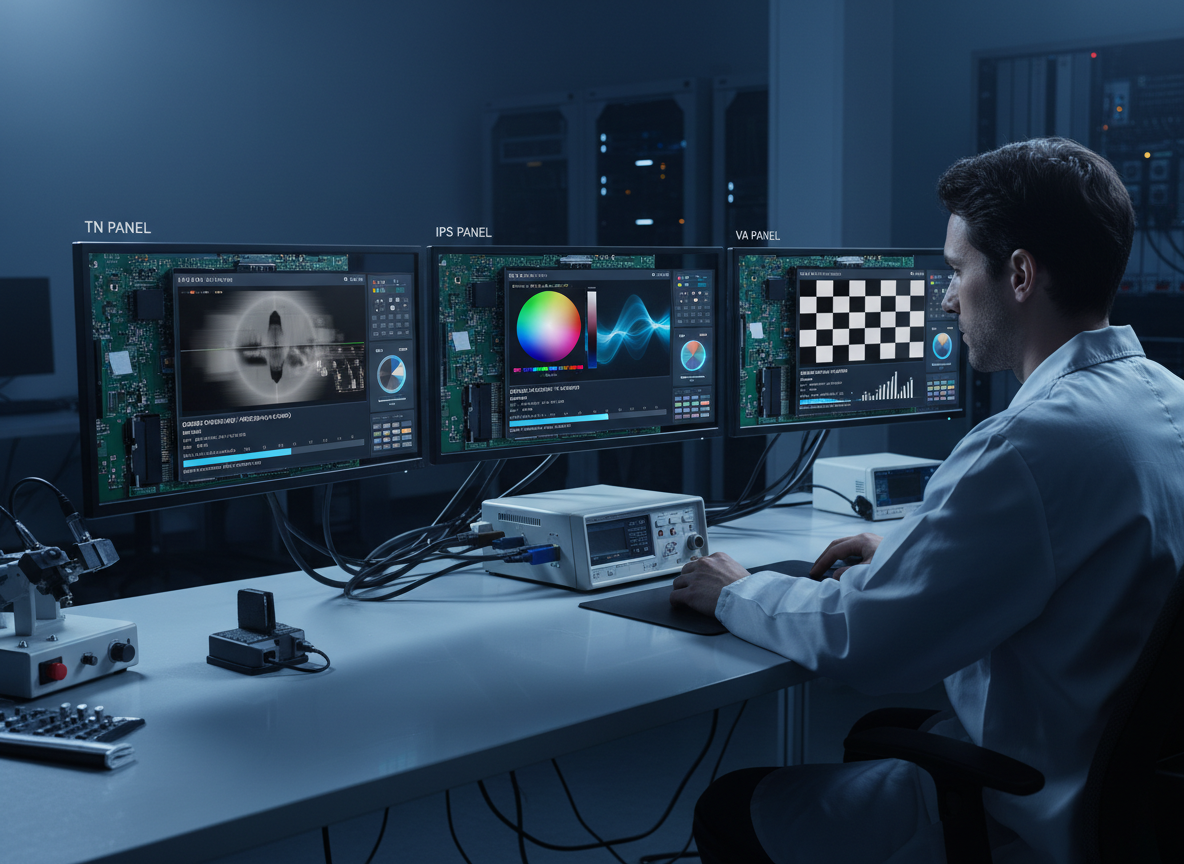
A trusted LCD displays manufacturer ensures displays undergo rigorous testing for temperature cycling, vibration, EMI, ESD, humidity, optical stability, and regulatory compliance. Testing is essential for medical, aerospace, and industrial certifications.
Cost vs. Value: Why Customization Pays Off Long-Term
While custom displays may involve a higher initial investment, the long-term value includes:
- Reduced integration issues
- Longer product lifecycles
- Lower maintenance costs
- Higher reliability in critical applications
- Better overall device performance
Customization ultimately reduces the total cost of ownership.
How E3 Displays Delivers Tailored LCD Solutions
E3 Displays designs and manufactures high-performance display solutions for demanding environments. The engineering team integrates enhancements such as optical bonding, rugged touch panels, high-brightness modules, EMI shielding, custom backlights, and specialized form factors. Each project is tailored through close collaboration with product teams and supported by controlled manufacturing processes for consistent quality.
Choosing the Right Display for the Right Mission
Selecting between standard modules and custom LCD screens depends on performance expectations, environmental conditions, and long-term reliability requirements. Custom solutions offer unmatched precision and durability, especially for mission-critical applications. For fully engineered, application-ready solutions, E3 Displays partners with leading teams as a trusted custom LCD display manufacturer.
Connect with E3 Displays to begin building a display engineered to match exact performance and design requirements.


.png?width=2500&height=1734&name=Blog%232%20(3).png)
 March 16, 2026