Touch interfaces now sit at the center of modern equipment design. Industrial systems, medical devices, and transportation controls rely on touch panels for accurate input and streamlined operation.
As product expectations increase, touch panel manufacturers are reshaping display technology to meet higher standards of durability, precision, and integration. This shift goes beyond multi-touch features. It reflects engineering progress in sensing architecture, materials, controller design, and customization for complex environments
People Also Ask (PAAs)
What is the role of touch panel manufacturers in display technology?
Touch panel manufacturers design, engineer, and integrate sensing systems that enable accurate multi-touch input, durability, and long-term performance in commercial and industrial displays.
How are touch panels improving industrial display systems?
Modern touch panels improve accuracy, optical clarity, and environmental resilience while supporting customization and extended product lifecycles.
The Evolution of Touch Panel Technology
Early touch panels relied on resistive layers that detected pressure. These systems enabled basic interaction but limited clarity and durability. Flexible layers degraded over time, reducing optical performance.
Projected capacitive technology changed that model. Modern PCAP touch panels use a transparent conductive grid embedded within glass. Controllers scan the grid and measure changes in capacitance with high accuracy. This architecture allows:
- True multi-touch capability
- High optical clarity
- Improved impact resistance
- Long service life
Touch panel manufacturers now integrate sensing layers directly with display modules, improving performance and mechanical stability.
The Expanding Role of Touch Panel Manufacturers
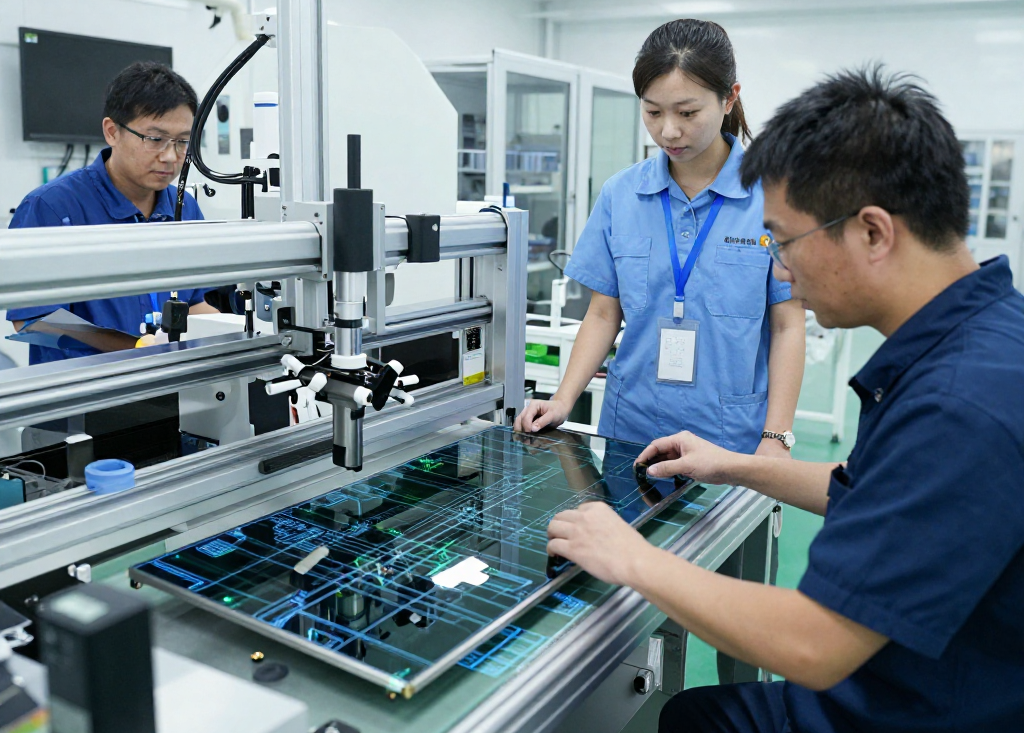
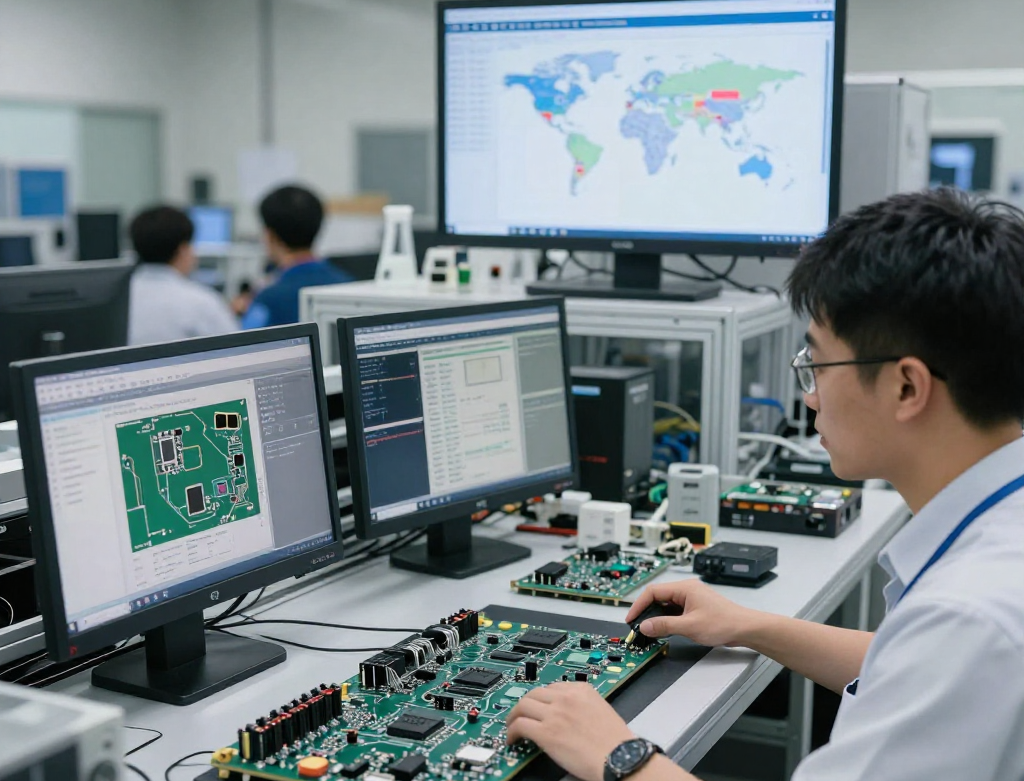
Touch panel manufacturers no longer deliver standalone glass overlays. They contribute to system architecture, mechanical alignment, firmware configuration, and controller tuning.
In industrial and commercial applications, integration decisions affect long-term reliability. Manufacturers now support:
- Controller selection and firmware optimization
- Cover glass thickness selection
- Optical bonding compatibility
- Glove and stylus sensitivity tuning
- Interface alignment with TFT or OLED modules
This broader role reduces design risk and improves lifecycle stability for OEMs.
Innovation Areas Driving the Future of Display Technology
Touch panel manufacturers continue to refine sensing accuracy and environmental resilience. Several innovation areas define current progress:
1. Advanced Signal Processing
Modern controllers filter environmental noise and prevent false touches. Improved algorithms increase touch precision in electrically complex environments.
2. Thicker Cover Glass Compatibility
Industrial systems often require durable front surfaces. Updated sensing grids maintain responsiveness even with protective glass.
3. Wide Temperature Operation
Industrial touch panels now operate reliably across extended temperature ranges.
4. Improved Optical Performance
Optical bonding reduces internal reflections and enhances readability in high-ambient-light environments.
5. Long Lifecycle Support
Firmware updates and controller flexibility support products that remain in service for many years.
These improvements position touch panels as critical components in future display systems.
Customization As a Competitive Advantage
Commercial and industrial devices rarely follow uniform design standards. Panel size, aspect ratio, brightness requirements, and enclosure constraints vary across applications.
Touch panel manufacturers now provide:
- Custom sensor layouts
- Tailored controller configurations
- Specific connector placements
- Mechanical adaptation for enclosure design
- Sensitivity calibration for gloves or moisture exposure
Customization enables engineers to align display technology with product performance goals rather than forcing design compromises.
Key Industries Being Transformed
Touch screen manufacturers support a wide range of commercial and industrial sectors.
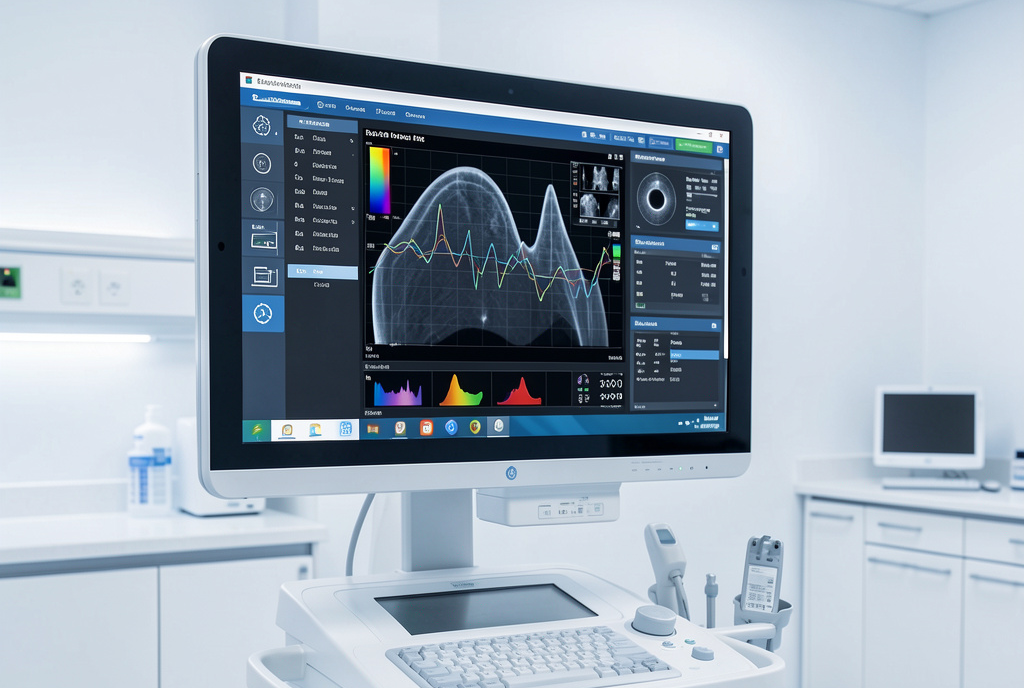
- Medical Equipment: Accurate multi-touch input improves workflow efficiency. Sealed glass surfaces support cleaning protocols and repeated use.
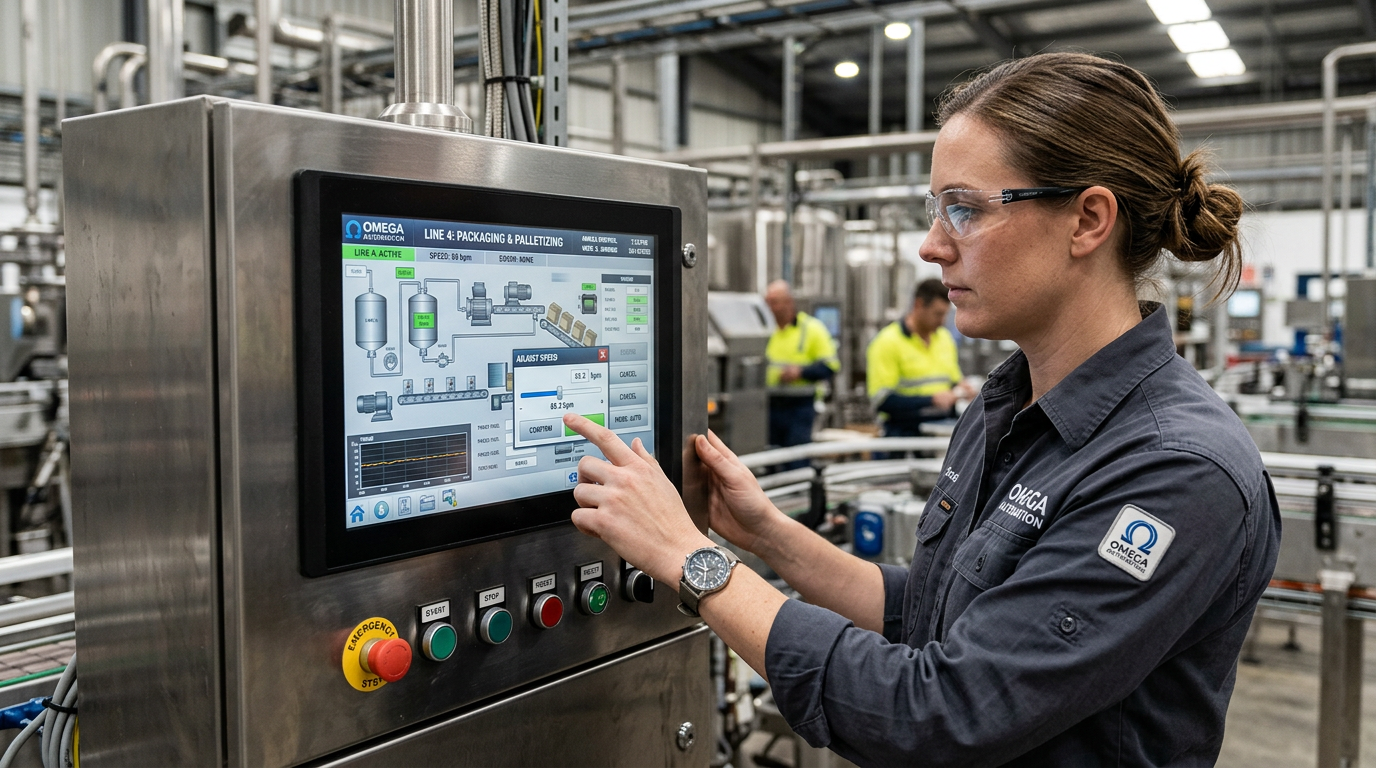
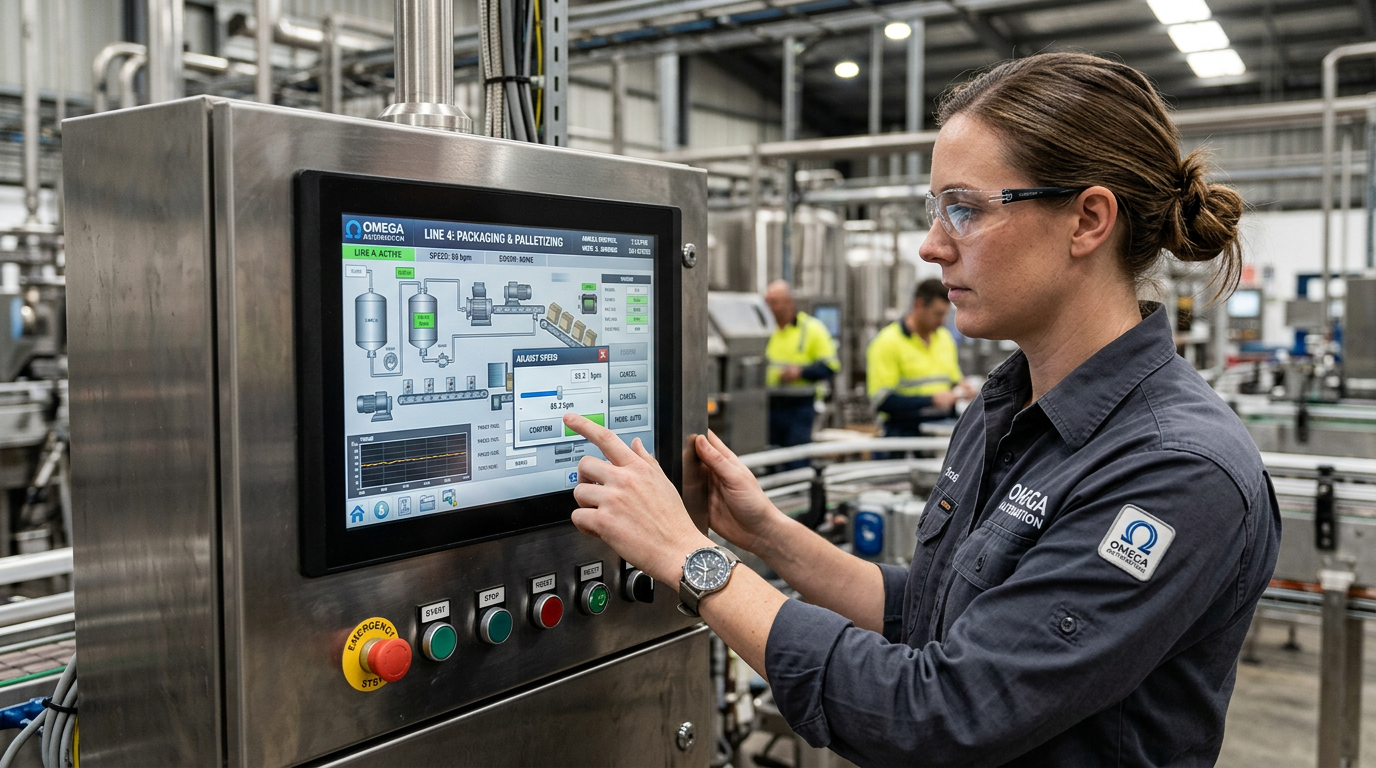
- Industrial Automation: Human-machine interfaces rely on durable touch panels that withstand vibration and frequent operation.
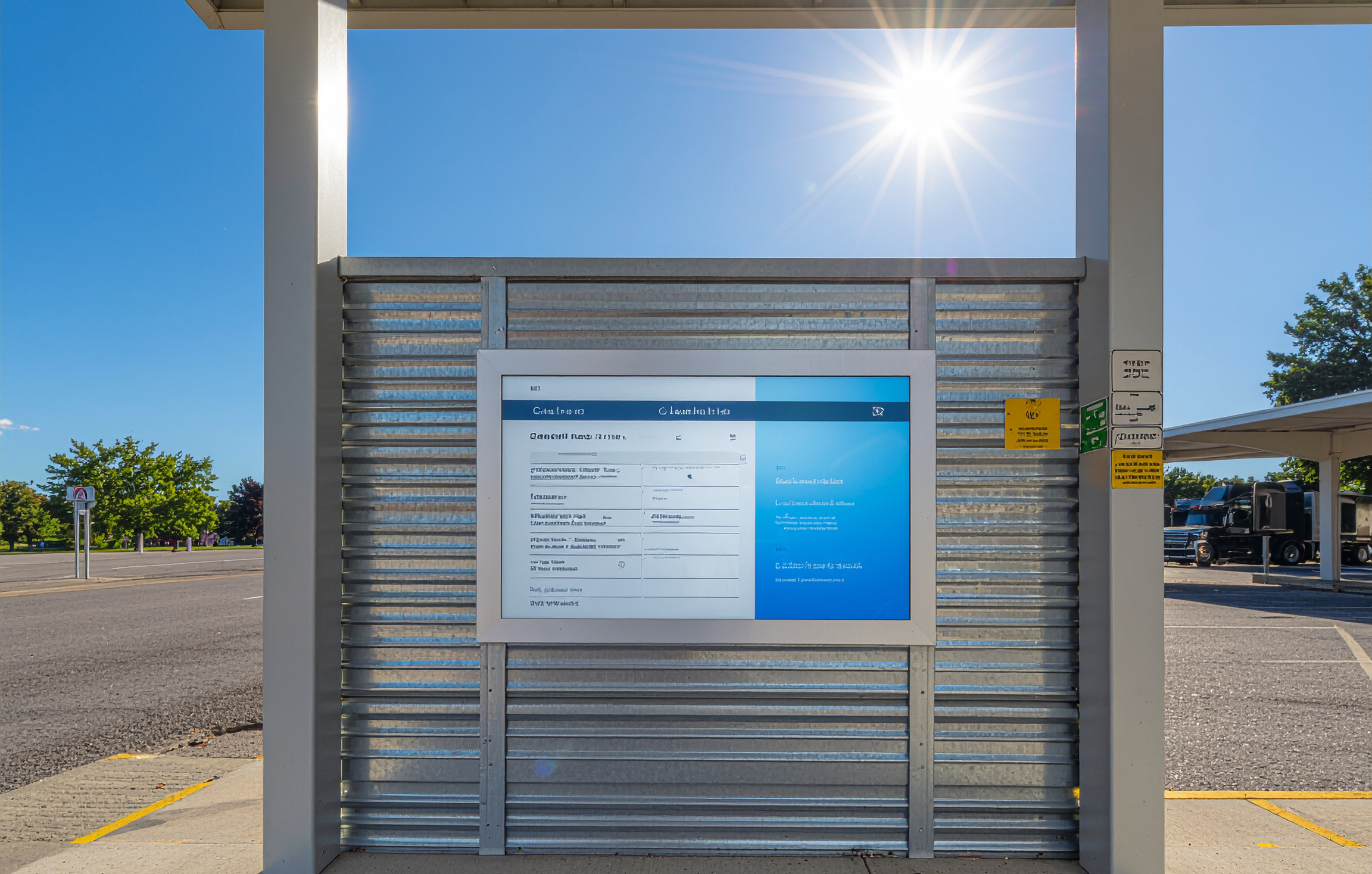
- Transportation Systems: Touch-enabled control panels simplify system interaction while maintaining structural integrity.
- Aerospace and Defense Applications: High precision and environmental resilience support mission-critical controls.
Across these industries, touch panels serve as operational interfaces rather than decorative features.
What the Future of Touch-Enabled Displays Looks Like
Future display technology will depend on tighter integration between touch panels and display modules. Sensing layers will continue to evolve toward higher resolution grids and more adaptive firmware.
Expect continued progress in:
- Low-power controller architecture
- Improved responsiveness under environmental stress
- Seamless integration with high-brightness TFT and OLED display
- Enhanced durability for long-lifecycle products
These engineering advancements influence how systems perform over years of field operation, not only during initial testing.
For organizations evaluating touch-enabled display systems, careful coordination with experienced touchscreen suppliers supports reliable, scalable outcomes. Contact E3 Displays to find advanced touch panel solutions that align display performance with demanding operational requirements.