TFT displays support critical functions across industrial, medical, transportation, and commercial systems. In these environments, production efficiency depends on more than manufacturing speed. It depends on how well each stage of the display lifecycle is managed.
Lifecycle management provides structure across design, validation, production, and long-term availability. For TFT display manufacturers in the USA, it helps reduce risk, control costs, and support long-lifecycle products.
What Lifecycle Management Means in TFT Display Manufacturing
Lifecycle management refers to the coordinated control of a display product from initial concept through end-of-life planning. In TFT display manufacturing, this process aligns engineering decisions with production realities and long-term supply considerations.
Rather than treating design, prototyping, and manufacturing as separate steps, lifecycle management integrates them into a continuous process. This reduces late-stage changes, minimizes production disruptions, and supports consistent quality.
Early-Stage Design Alignment and Specification Control
Lifecycle management begins during specification development. Early definition of display size, resolution, brightness, interface type, and environmental requirements is essential.
Clear specifications allow manufacturers to:
- Select stable panel technologies
- Align controller and interface options
- Reduce redesign during later stages
- Control validation timelines
Early alignment limits downstream revisions that often delay production schedules.
Streamlining Prototyping and Validation
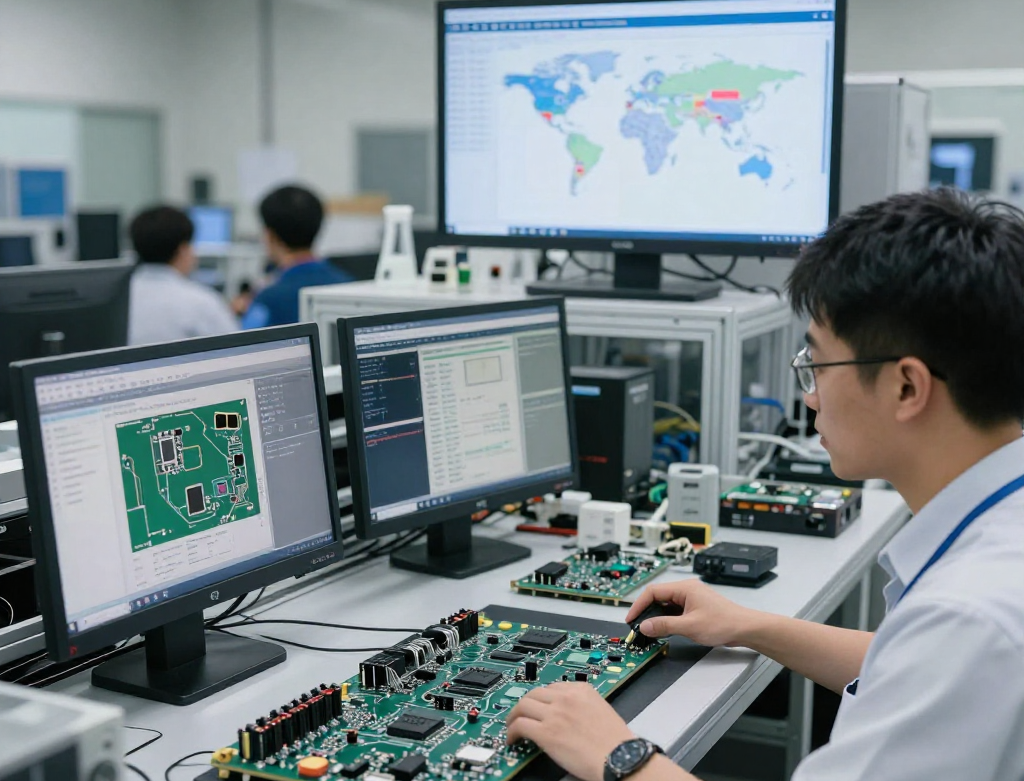
Prototyping validates design assumptions before production tooling begins. Lifecycle-focused manufacturers standardize this phase to reduce uncertainty.
This stage typically includes:
- Electrical and optical performance checks
- Mechanical fit verification
- Environmental and reliability testing
- Interface compatibility validation
Standardized validation criteria ensure prototypes transition smoothly into production builds.
Production Optimization Through Standardized Manufacturing Processes
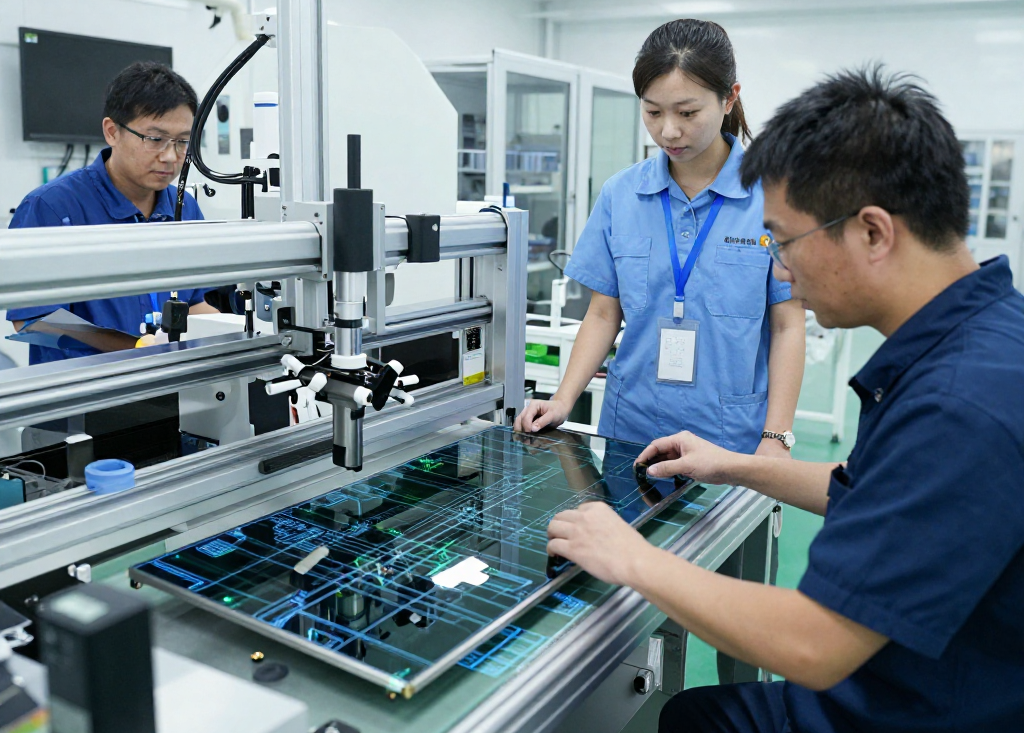
Once designs are validated, standardized lifecycle processes support repeatable production workflows. Standardized processes reduce variability and improve yield.
Manufacturers streamline production by:
- Reusing proven manufacturing steps
- Maintaining consistent quality checkpoints
- Aligning assembly methods across product revisions
These controls support predictable output across low- and mid-volume programs standard in industrial applications.
Supply Chain Stability and Long-Term Component Planning
TFT display manufacturers in the USA rely on panels, drivers, backlights, and controllers sourced across global supply chains. Lifecycle management includes proactive component planning to maintain availability.
Key practices include:
- Monitoring component lifecycle status
- Identifying alternate part options early
- Coordinating supplier timelines with production forecasts
This approach reduces the risk of sudden redesigns caused by component changes.
End-of-Life Planning and Transition Strategies
End-of-life planning is critical for industrial and medical products with long deployment timelines. Structured planning prepares transition paths before components become unavailable.
Manufacturers manage transitions by:
- Planning form-fit-function replacements
- Validating successor components in advance
- Supporting phased production changeovers
These strategies help maintain continuity without interrupting customer programs.
How Lifecycle Management Improves Manufacturing Outcomes
Effective lifecycle planning improves outcomes across the production cycle. Manufacturers experience fewer delays, reduced rework, and improved predictability.
Benefits include:
- Shorter development timelines
- More stable production schedules
- Improved long-term supportability
- Lower total cost of ownership
These advantages support efficient manufacturing while meeting strict performance requirements.
Lifecycle Management as a Competitive Advantage for U.S. TFT Display Manufacturers
For U.S.-based TFT display manufacturers, lifecycle management strengthens collaboration with OEMs and system designers. It enables controlled scaling, long-term availability, and consistent performance.
E3 Displays applies lifecycle management practices to support custom TFT LCD programs across commercial and industrial applications. Contact E3 Displays today to learn more about the effects of lifecycle management for custom TFT display manufacturing.



 February 27, 2026
 February 27, 2026