Modern display systems depend on more than screen size or resolution. Performance now hinges on how efficiently electronic components manage power, process signals, and support long-term reliability. At the center of this evolution sits semiconductor technology.
For custom display manufacturers in the USA, semiconductors play a defining role in the design, optimization, and system integration. From power management to touch responsiveness, semiconductor innovation continues to shape what modern display systems can achieve.
People Also Ask (PAA)
How do semiconductors affect display performance?
Semiconductors control power distribution, signal processing, and pixel behaviour, directly influencing efficiency, responsiveness, and reliability.
Why are semiconductors important for custom display manufacturing?
They enable customisation, low-power operation, and long-term stability across specialized industrial and commercial display applications.
Why Semiconductors Matter in Modern Display Design
Semiconductors form the operational backbone of every electronic display system. They control the processing and distribution of visual data, and interfaces respond to user input.
In custom display design, these components influence:
- Electrical efficiency
- Signal stability
- Thermal behavior
- Long-term component availability
Without continued semiconductor advancement, modern display requirements would be difficult to meet across industrial and commercial environments.
The Relationship Between Semiconductors and Display Technologies
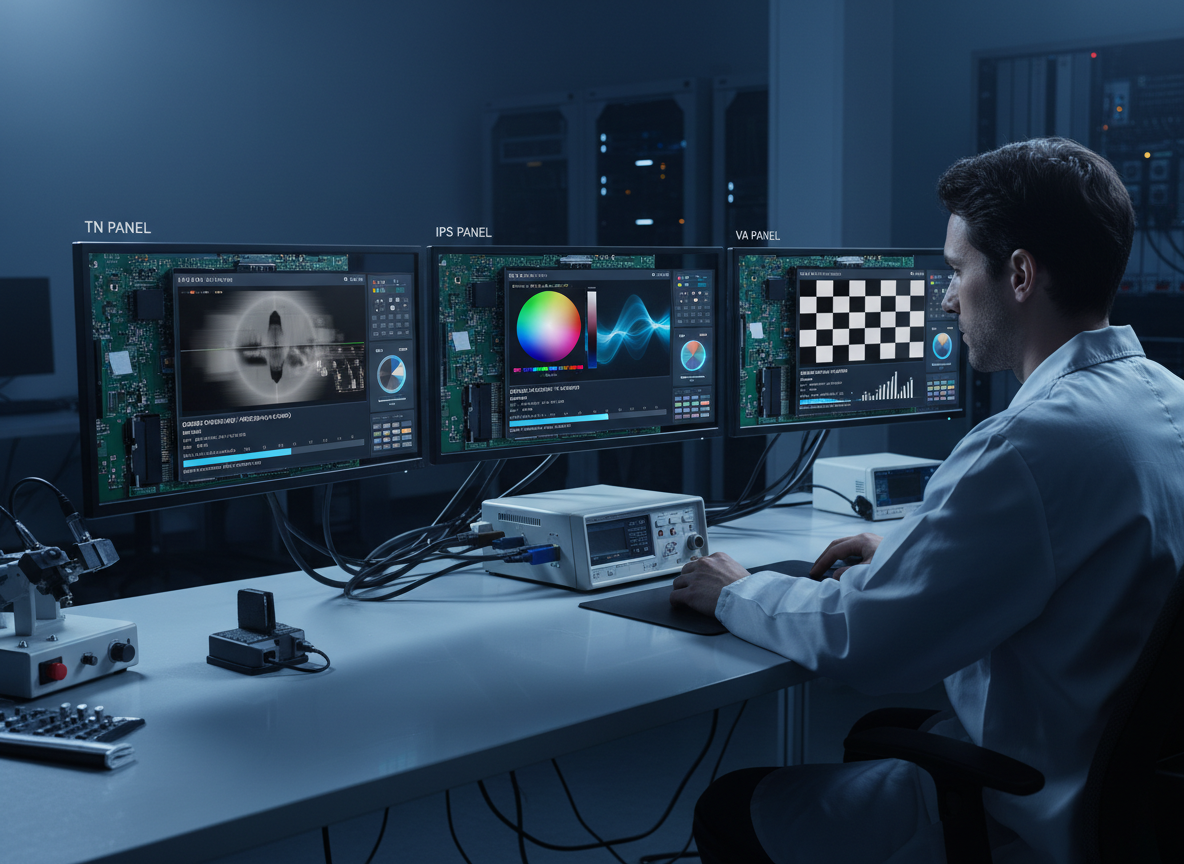
Display technologies such as TFT LCD, OLED, and memory LCD rely on semiconductor devices to regulate pixel behavior and image output.
Key semiconductor functions within displays include:
- Driving individual pixels and sub-pixels
- Managing refresh rates and response times
- Supporting interface communication between display modules and system controllers
As display formats become more specialized, semiconductor integration enables custom display manufacturers to fine-tune performance without altering mechanical constraints.
Power Efficiency and Low-Energy Display Applications
Power efficiency remains a priority for industrial equipment and long-lifecycle products. Semiconductor innovation has significantly reduced power consumption across modern display systems.
Advancements in power management integrated circuits enable:
- Lower operating voltages
- Improved energy regulation across display modules
- Reduced thermal stress on internal components
These efficiencies support battery-powered devices, portable systems, and equipment designed for continuous operation.
Enabling Customisation and Specialized Display Performance
Custom LCD display manufacturers rely on semiconductor flexibility to support non-standard display requirements. Semiconductor-based controllers and drivers make it easier to tailor displays without excessive redesign.
Customisation with semiconductor technology includes:
- Unique resolutions and aspect ratios
- Specific brightness and contrast tuning
- Custom refresh and response profiles
- Extended operating temperature ranges
This flexibility allows display systems to align closely with application requirements rather than forcing compromise around standard formats.
Semiconductors and Touch Interface Innovation
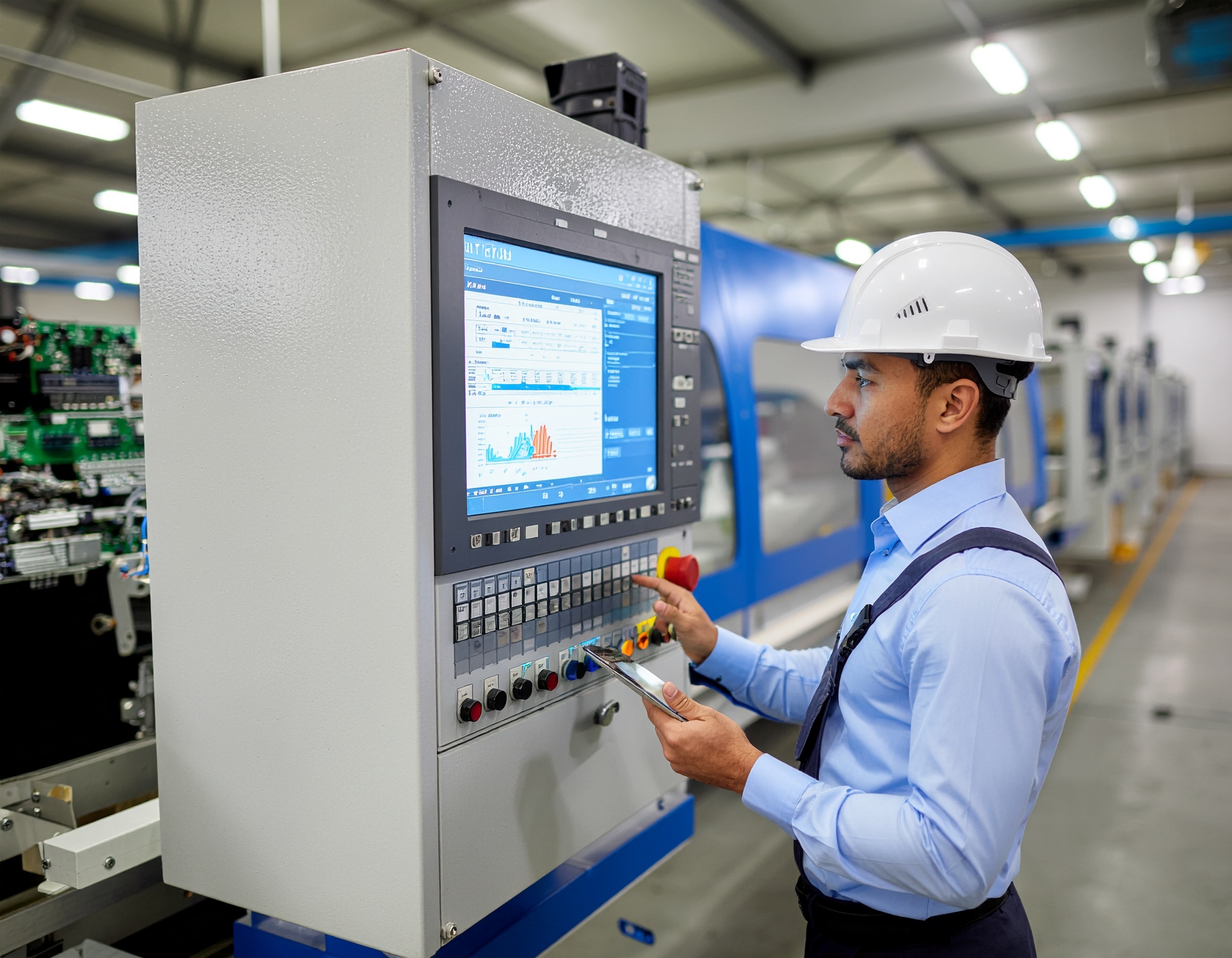
Touch interface performance depends heavily on semiconductor processing capabilities. Touch controllers analyse input signals, manage multi-touch detection, and filter environmental distortion.
Semiconductor improvements have enabled:
- Faster touch response times
- Improved accuracy across larger display surfaces
- Reliable operation with thicker cover glass and protective layers
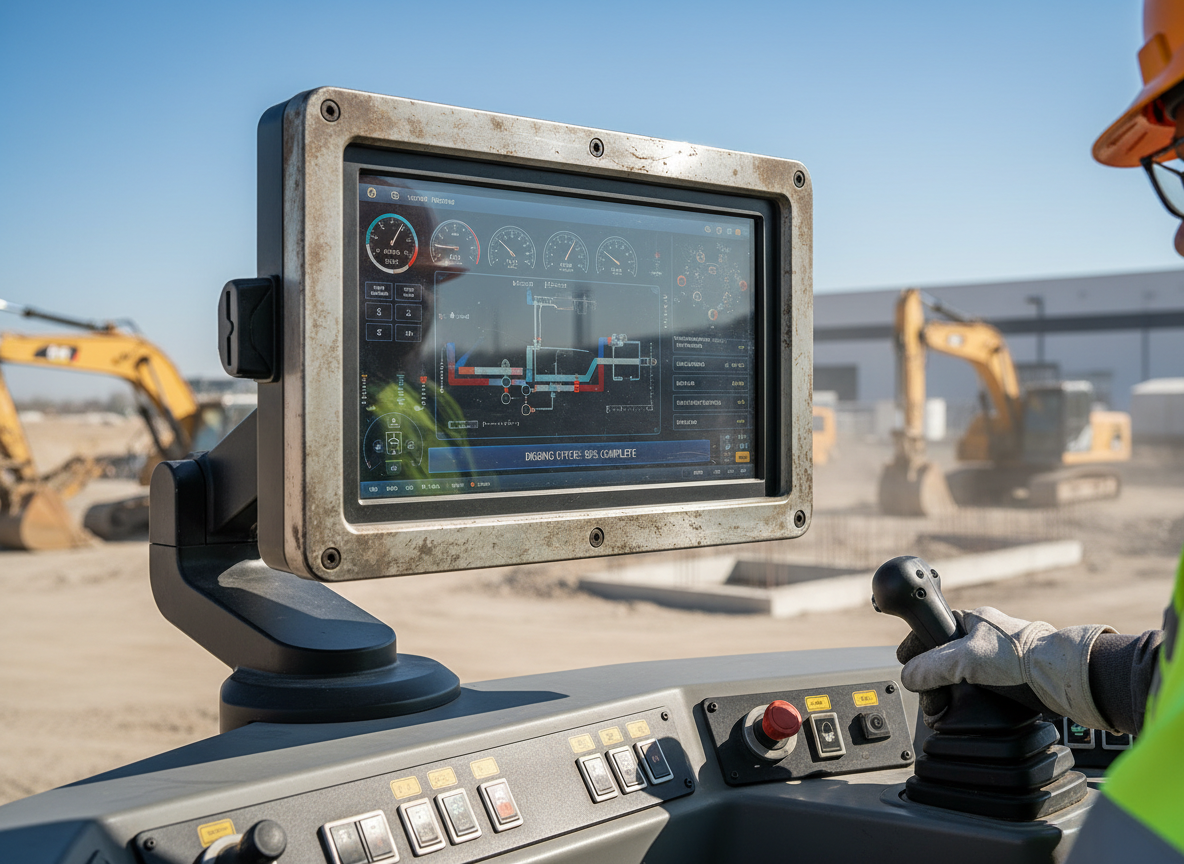
These capabilities support touch integration in industrial control panels, medical equipment, and outdoor systems where durability and precision remain essential.
Future Trends: What’s Next for Semiconductors in Custom Displays
Semiconductor development remains central to innovation in custom display manufacturing. This influence spans power efficiency, performance tuning, and system reliability across industrial and commercial applications.
Semiconductor development continues to move toward greater efficiency, integration, and longevity. For custom LCD display manufacturers in the USA, future innovation is expected to focus on:
- Lower-power processing architectures
- Increased controller integration to reduce component count
- Enhanced support for long-term product availability
- Improved adaptability for emerging display technologies
These trends will further strengthen semiconductors' role in enabling reliable, application-specific display solutions.
By aligning semiconductor capabilities with display design requirements, custom display manufacturers can deliver solutions that support long product lifecycles and demanding operating conditions. Contact E3 Displays to apply semiconductor-driven design principles to integrate custom displays into industrial and commercial systems.



 March 16, 2026