...
Home
About E3 Displays ▾
All Products ▾
Solutions ▾
Industries We Serve ▾
Resources ▾
Contact Us ▾
🎯 Build Your Display Contact Us
Custom Display Solutions

Touch Screen Manufacturer for Custom Display Solutions

Right Large Touchscreen

Most “custom display solutions” from most manufacturers means picking a size from a catalog and calling it custom. E3 Displays builds the display itself — the panel technology, power profile, optical performance, and durability — around what your product actually needs to do, not around what happens to be sitting in a warehouse. Whether that’s a full custom LCD display solution engineered from scratch or an off-the-shelf (OTS) panel adapted to your enclosure, the starting point is always your application, not our inventory.

We work across TFT, memory LCD (MLCD), and OLED technologies — three fundamentally different approaches to building a screen, each suited to a different kind of problem. Here’s how they actually differ:

Comparing TFT, MLCD, and OLED Displays

TFT LCD MLCD (Memory LCD) OLED
How it works Backlit liquid crystal panel with a transistor at every pixel Reflective panel with a one-bit memory circuit built into every pixel Self-emissive — each pixel produces its own light, no backlight needed
Power consumption Moderate — backlight is the main draw Extremely low — image holds without continuous refresh Low to moderate, scales with brightness and content
Best for Fast motion, full color, general-purpose displays Battery-powered or always-on devices — wearables, meters, handheld instruments Thin, flexible form factors and high-contrast indoor viewing
Watch for Backlight adds thickness and power draw Limited color depth and refresh rate compared to TFT Sunlight readability and long-term brightness uniformity are weaker than a TFT panel with optical bonding — worth flagging honestly rather than oversolding OLED for outdoor or industrial use
Breaking Down The Variants Of TFT LCD Display Technology
TFT DISPLAYS

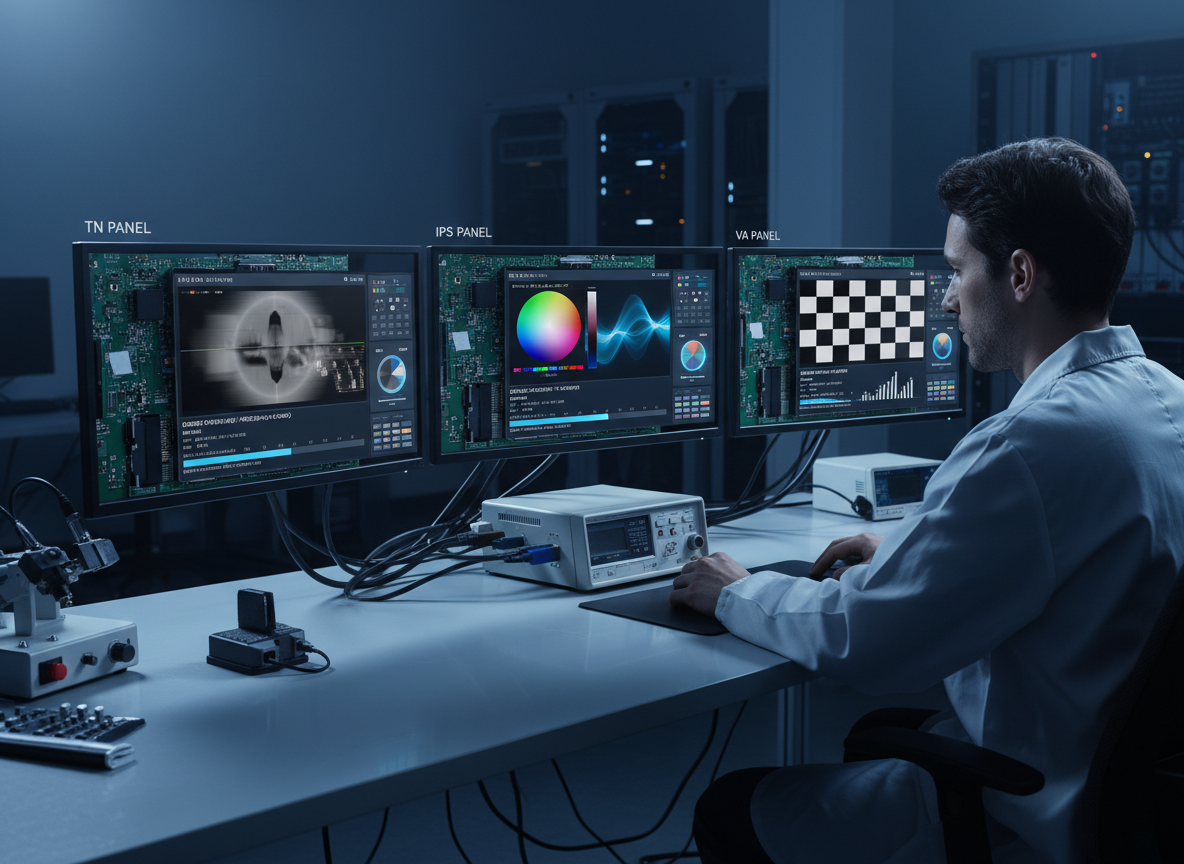
Our TFT technology facilitates immediate image transitions across pixels, intensifying the colors and offering a vivid and crystal clear view. Perfect for applications requiring fast motion clarity.

Learn More
Mlcd Bike Computer 1
MLCD DISPLAYS

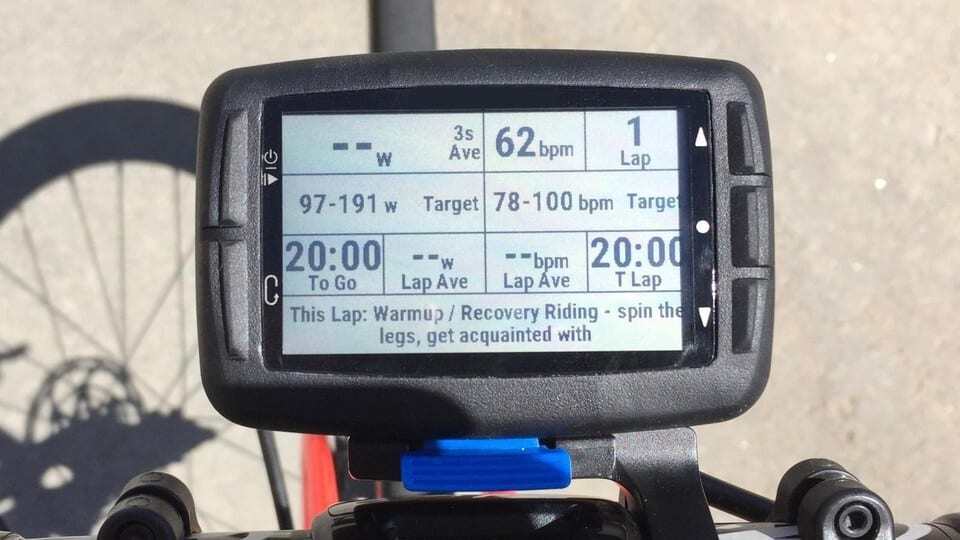
Memory LCD is not your typical display. It merges matrix technology with a one-bit memory circuit within every pixel, leading to ultra-low power consumption and an extended battery life. Ideal for devices where power efficiency is crucial.

Learn More
Blog4 1 1
OLED DISPLAYS

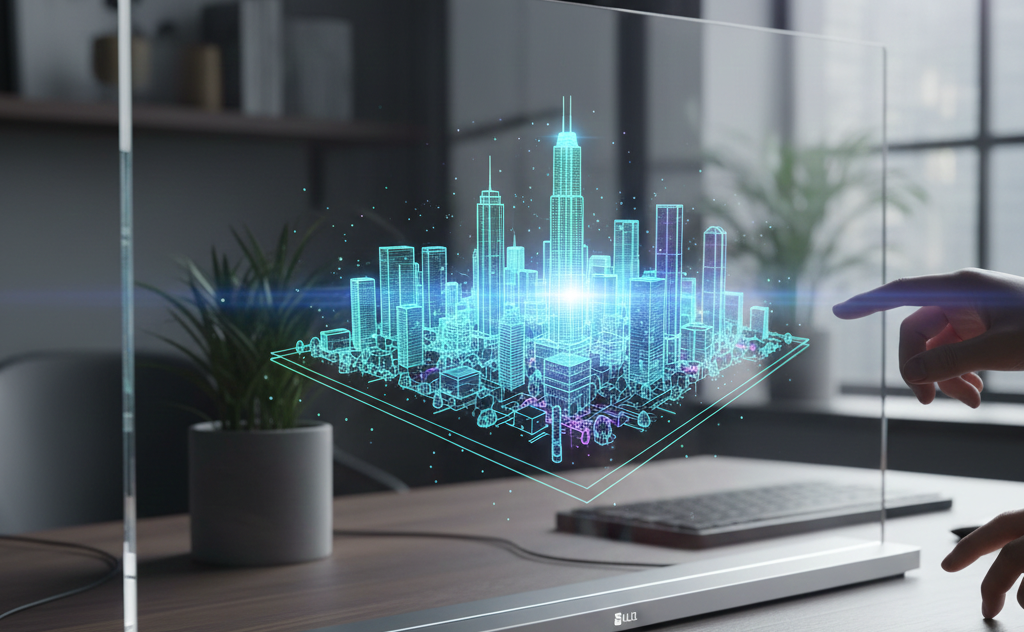
Embrace the future with E3’s OLED displays. By eliminating the need for additional backlighting components, we help you bring forth a display that’s not only thin and modern but also flexible and versatile. It’s the epitome of modern Customized Display Solution.

Learn More
Commercial

What to Look for in a Custom Display Company

Not every custom display company is actually set up to deliver on that promise. A few things worth checking before you commit a program to one:

  • Does the company design and engineer in-house, or does it resell and relabel someone else’s catalog panel? 
  • Is production backed by a real quality system — ISO 9001, a controlled cleanroom, documented process control — or is “quality” just a claim on the homepage? 
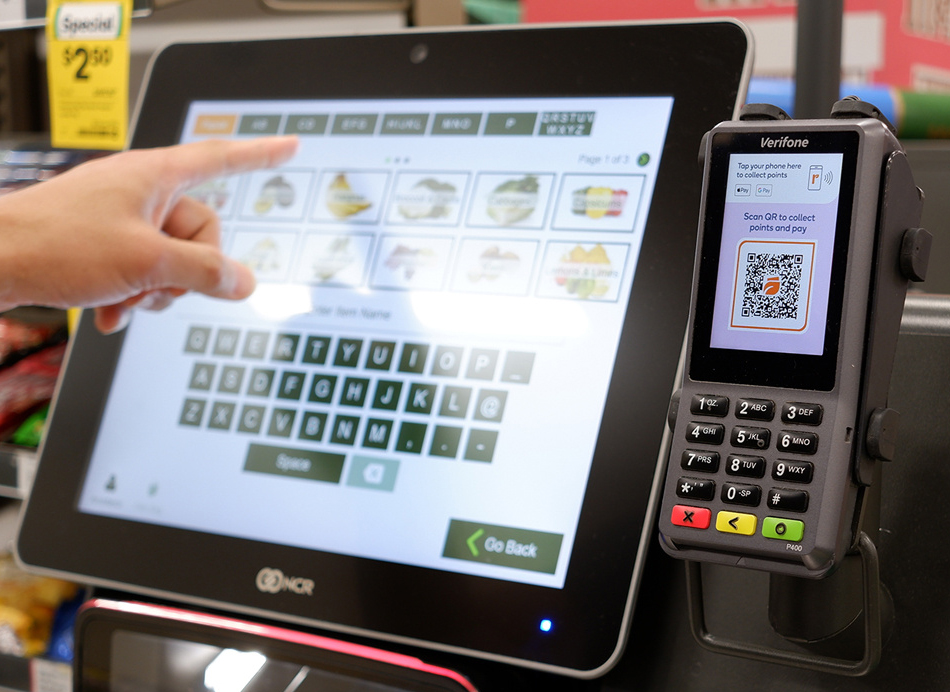
  • Can they add touch integration, optical bonding, or EMI shielding under the same roof, or will you be coordinating three vendors for one display? 
  • Do they have direct experience in your industry’s compliance requirements — MIL-STD, ITAR, FDA, or FAA — or are they learning your requirements for the first time on your program?

E3 Displays has been engineering and manufacturing custom flat-panel display systems since 2001, from a Phoenix, Arizona facility with a controlled cleanroom. Optical bonding, EMI shielding, and touch integration are done in-house rather than farmed out, and the team has supported programs across avionics, marine, military, medical, and industrial electronics — including ITAR-clean, MIL-STD-qualified production runs. One customer, now on their third touch display program with E3, has specifically cited consistent communication and a display that solved noise issues a previous supplier couldn’t resolve.

Not sure which display technology fits your application? Run through our product selection guide, or talk to an engineer directly — either beats guessing and finding out after tooling is cut.

FAQ
Frequently Asked Questions

What's the real difference between TFT, MLCD, and OLED displays?

TFT panels use a backlight and a transistor at every pixel, giving strong color and fast motion at a moderate power cost. MLCD (memory LCD) panels are reflective and hold an image with almost no power draw, which suits battery-powered devices. OLED panels produce their own light with no backlight, giving a thin, high-contrast display that's better suited to indoor use than direct sunlight.

What should I look for in a custom display company?

In-house design and engineering (not a relabeled catalog panel), a documented quality system like ISO 9001, the ability to add touch integration or optical bonding under one roof, and direct experience with your industry's compliance requirements — MIL-STD, ITAR, FDA, or FAA, depending on your application.

What industries typically need custom industrial displays?

Custom industrial displays show up most in factory automation, oil and gas equipment, medical devices, avionics, marine electronics, and military systems — anywhere a standard consumer panel can't survive the environment or meet the compliance requirements.

Do I need a fully custom display, or would an off-the-shelf (OTS) panel work?

If your requirements fit a standard size, brightness range, and operating environment, an OTS panel can save development time and cost. E3 Displays offers OTS components alongside fully custom design, so the recommendation is based on your requirements rather than a one-size answer.

Is E3 Displays an ISO-certified manufacturer?

Yes. E3 Displays' quality system is certified to ISO 9001:2015, and production takes place in a controlled cleanroom facility in Phoenix, Arizona.

What happens after I request a custom display quote?

Our product selection guide starts with a few short questions — your role (engineering, purchasing, or quality assurance), how far along your project is, and what matters most to you (pricing, optical performance, mechanical constraints, or long-term support). That routes your request to the right engineer instead of a generic sales queue.

    Which of the following best describes you?

    Please describe your current project situation

    What is most important for you?

    Select all that apply

    You're all set!

    Tell us about yourself and we'll reach out with tailored solution options.